Categories
Digital Signages

IoT in Retail: The Future of Personalized Shopping

Shoppers are done with generic things. They expect brands to know them – what they like, when they want it, and how they shop.

But here’s the pain point: most businesses still treat every customer the same.

IoT changes that. It helps brands turn raw data into real-time, personalized experiences from smart shelves to tailored recommendations.

In this article, we’ll break down how IoT is reshaping customer engagement, with real examples, tips, and ideas you can use.

What is IoT in Retail?

IoT (Internet of Things) in retail refers to everyday devices — think sensors, beacons, smart shelves, and even connected dressing rooms — that collect and exchange data to improve the shopping experience.

But it’s not just about gadgets. It’s about what they do with the data.

They track behavior, monitor inventory in real-time, and even adjust in-store lighting based on foot traffic. The goal? Create personalized experiences that feel seamless to the customer and insightful for the brand.

📌Example: Target uses IoT-enabled inventory systems that update stock levels in real time. This lets them automatically alert staff when shelves need restocking before customers even notice.

Benefits of IoT for Personalized Shopping

The global IoT in retail market size is projected to grow from $57.30 billion in 2024 to  $350.85 billion by 2032, exhibiting a CAGR of 25.4% during the forecast period. While that is a reason enough to invest in it, here are some more benefits that follows:

Hyper-personalized customer experiences

IoT devices collect data from in-store sensors, apps, and wearables to deliver tailored recommendations, offers, and experiences.

This is the need of the hour given the fact that 89% of marketing decision-makers consider personalization essential for their business’s success over the next three years

📌Example: Smart mirrors at Rebecca Minkoff stores let shoppers browse inventory, request sizes, and get style suggestions — all personalized based on their interactions

Better product recommendations

59% of online shoppers believe that personalized stores make finding interesting products easier. That’s where IoT taps into behavior beyond screen clicks — like how long someone lingers at a product or what they pick up and put back. This powers smarter suggestions.

📌Example: Nike’s flagship stores use RFID technology to detect which items shoppers are interacting with, helping recommend similar styles and sizes in real time.

Real-time convenience

IoT removes friction – long lines, out-of-stock signs, and frustrating store layouts – by enabling real-time adjustments.

📌Example: Decathlon uses smart RFID checkout, where you just drop items into a basket — and the system auto-calculates and processes payment.

Smarter inventory and fulfillment

Sensors monitor stock levels and customer demand, reducing waste and increasing on-shelf availability.

📌Example: Walgreens uses IoT to monitor medication stock across locations and send predictive refill alerts to customers.

💡 Pro Tip: Don’t assume all insights are actionable. Pair IoT data with voice-of-customer feedback and user insights to make smarter design or product decisions.

Real-World Examples of IoT in Personalized Shopping

While the concept sounds futuristic, many retail giants and innovators are already using IoT to personalize shopping in powerful ways. Here are some standout examples:

Nike’s Smart Fitting Rooms

In select Nike stores, RFID-tagged items automatically display on a smart mirror when you enter the fitting room. The mirror then recommends matching shoes or accessories and lets you request other sizes without leaving the room.

Why it matters: It creates a seamless, personalized experience that reduces the effort needed from both customers and staff.

Sephora’s Color IQ and IoT Skin Scanners

Using smart devices and AI, Sephora scans a customer’s skin tone to recommend personalized foundation shades. Some locations also use IoT-enabled devices to assess moisture levels and provide skincare suggestions.

Personalized Shopping with IoT

Why it matters: It blends data with beauty, making shoppers feel seen — literally — and catered to in an intimate way.

Walmart’s Smart Inventory System

Walmart uses IoT sensors and robots to monitor inventory, track freshness of food, and automate restocking. This also allows for better personalization on their app and website based on store-level availability.

Walmart’s Smart Inventory System

Why it matters: It ensures customers always get what they need — online and offline — based on local demand and supply.

Did you know? Coca-Cola’s vending machines are smart AF. They collect data on what drinks people buy and when, and can even change prices dynamically based on demand, time of day, or weather.

How to Get Started with IoT for Personalized Shopping

Ready to dip your toes into the world of IoT? Here’s how retailers can begin implementing IoT tech to enhance customer engagement:

1. Start with Data You Already Have

You don’t need to build a smart store overnight. Begin by analyzing existing customer behavior — like browsing history, purchase patterns, and mobile app usage.

Example: An online clothing brand might notice repeat purchases of workout gear in January. Use this insight to push seasonal bundles or IoT-connected wearables that track fitness goals.

2. Invest in IoT-Ready Infrastructure

Upgrade to systems that can support IoT sensors — like smart shelves, digital signage, or connected POS systems. Make sure your data pipelines are secure and scalable.

Pro Tip: Look for modular solutions that can grow with your business. You don’t have to go all-in from day one

3. Leverage Location-Based Tech

IoT shines when paired with location. Use beacons or geofencing to deliver personalized messages when customers walk by your store or enter a specific aisle.

Example: A grocery app can push a discount on oat milk when a user steps into the dairy aisle — because it remembers they buy it every week.

4. Use IoT for Feedback Loops

Connect smart devices to capture post-purchase feedback. Think IoT-enabled kiosks or apps that ask questions immediately after a product is used.

Example: A smart mirror could ask, “Did this size fit you well?” and use the answer to improve future recommendations.

Fun Fact: Smart shelves don’t just track inventory—they can track your eye movement too. Some retailers use smart shelves with embedded cameras and sensors to study how long you look at a product before picking it up. Creepy? Maybe. Useful? Definitely.

5. Integrate with Your Loyalty Programs

Let IoT personalize rewards based on how often, where, or how a user shops.

Example: Smart fridges tracking when you’re low on snacks could prompt personalized deals via a grocery delivery app tied to your loyalty account.

Did you know?  McDonald’s uses IoT sensors in fryers to ensure fries are cooked perfectly. Yes, even your fries are part of the Internet of Things now. McDonald’s has been experimenting with IoT to automate cooking times and maintain quality across locations.

Challenges and Considerations in Implementing IoT

While IoT opens the doors to futuristic retail experiences, jumping in headfirst without preparation can be risky. Here are a few challenges you’ll want to plan for:

Data Privacy & Security

With great personalization comes great responsibility. IoT devices collect huge volumes of data—from browsing habits to movement in stores. Without proper safeguards, this can raise serious privacy concerns.

Pro Tip: Always stay compliant with GDPR, CCPA, or any regional privacy laws. Transparent data practices build customer trust.

In 2023, a major European retailer faced backlash for using smart cameras to track in-store behavior without proper disclosures. A simple disclaimer could’ve prevented it.

Integration with Legacy Systems

IoT works best when it talks to your existing tech stack—inventory management, CRMs, POS systems. But older systems often don’t play well with newer, smarter devices.

High Upfront Costs

Sensors, devices, backend systems, data storage—implementing IoT isn’t cheap. And if you’re not sure where it’ll create ROI, it can feel like a sunk cost.

Fun Fact: Despite high costs, 70% of retail decision-makers globally have already adopted IoT strategies to stay competitive. [Source: Zebra Technologies Retail Vision Study, 2023]

Making Sense of the Data

Collecting data is one thing. Turning it into something actionable? That’s where many brands stumble

Wrapping up

Personalized shopping with IoT isn’t just a trend—it’s a game changer. From tailored offers to smarter shelves, businesses that embrace IoT can deliver experiences customers didn’t even know they wanted.

But getting it right means more than just collecting data. It’s about turning insights into action, protecting user privacy, and choosing the right tech partners.

Looking to make the leap into smart retail? Tools like Intelisa offer plug-and-play digital signage powered by AI and IoT—helping retailers connect with customers at the right moment, in the right place.

Ready to get started with IoT for personalized shopping? Get a Free Trial Today and bring your retail experience to the next level.

Categories
Digital Signages

10 Ways to Use Digital Signages to Elevate Live Events

Ever been to an event where you missed an important session because the schedule was buried in a brochure? Or got lost trying to find a booth because the signage was unclear? Frustrating, right?

Traditional event communication—static signs, paper schedules, and scattered announcements—just doesn’t cut it anymore. Attendees expect real-time updates, sponsors want more visibility, and event organizers need a way to keep everything running smoothly.

That’s where digital signage comes in. When used strategically, it doesn’t just display information—it drives engagement, enhances navigation, and creates an experience people remember. Here’s how to make it work.

1. Choosing the Right Digital Signage Setup

Not all screens are equal. To make an impact, you need the right setup.

LED Walls vs. Digital Standees – LED walls are perfect for high-impact visuals like speaker sessions. Digital standees work well for sponsor promotions and product showcases.

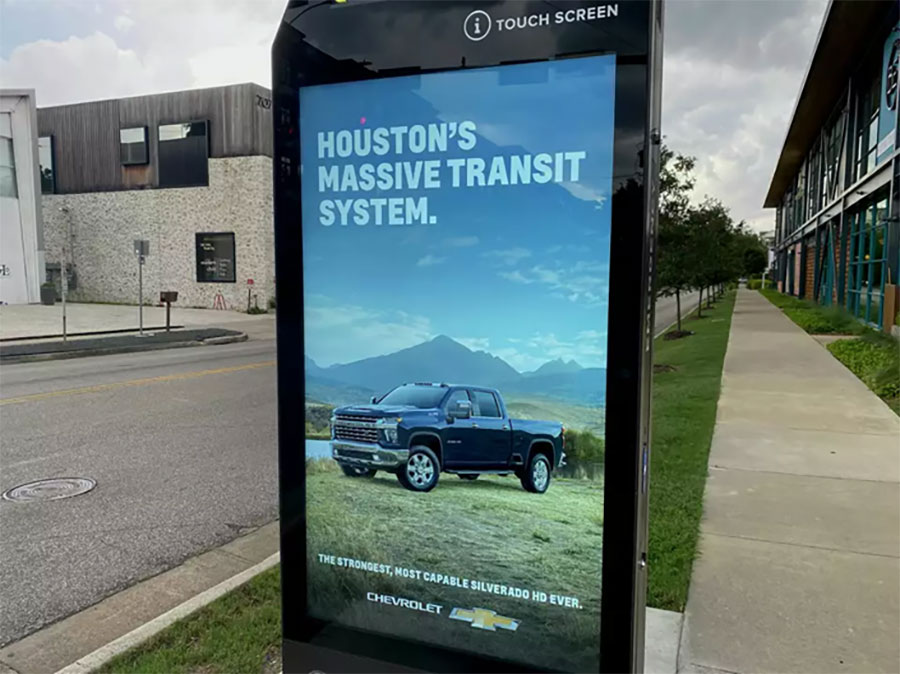
Interactive Kiosks – These provide digital maps, FAQs, and event schedules, enhancing attendee experience. For instance, the Houston downtown convention center installed digital kiosks offering free Wi-Fi and transit schedules, generating significant advertising revenue

LED Walls vs. Digital Standees

Placement is key – Screens near registration booths = great for welcome messages. Near restrooms? Probably not.

💡 Pro Tip: Place high-impact content in high-footfall areas like entrance halls and waiting zones

Interactive Kiosks

2. Engaging Attendees with Interactive Content

People are glued to their phones—so why not use digital signage to bring them into the event experience? A notable example of leveraging interactive digital signage to engage attendees is Cisco Live, an annual conference hosted by Cisco Systems.

At this event, Cisco implemented several strategies:

  1. Live Social Media Feeds: Attendee posts tagged with the event hashtag were showcased on large digital displays throughout the venue, fostering a sense of community and encouraging social media interaction.
  2. Gamification & Contests: Cisco introduced a mobile app that allowed attendees to earn points and badges by participating in sessions, visiting exhibitor booths, and networking with peers. This gamified approach increased engagement and incentivized exploration of the event’s offerings
  3.  Augmented Reality (AR) Experiences: While specific AR implementations at Cisco Live are not detailed in the provided sources, Cisco has been active in integrating AR technologies into their solutions. For instance, Cisco’s Webex Hologram utilizes AR headsets to create immersive 3D holographic meeting experiences, indicating their commitment to incorporating AR into interactive applications.

💡 Pro Tip: Place high-impact content in high-footfall areas like entrance halls and waiting zones

3. Enhancing Event Navigation and Real-Time Updates

Schedules change. Sessions run late. A speaker cancels. Instead of scrambling, use digital signage to:

  • Instantly update session details and room assignments
  • Display emergency alerts when needed
  • Show live reminders for upcoming sessions or workshops
Enhancing Event Navigation and Real-Time Updates

A practical example of utilizing digital signage for enhancing event navigation and providing real-time updates is Canonical’s implementation at their industry events. Canonical, the company behind Ubuntu, employed digital signage to streamline communication and improve attendee experience.

They installed centrally managed displays throughout the venue, which allowed for:

  1. Instant Updates: The team could remotely update session details, room assignments, and schedules, ensuring attendees received the most current information without delays. 
  2. Directional Assistance: During non-exhibit hours, screens displayed directions to talks and workshops, aiding navigation within the venue.
  3. Centralized Control: A global playlist with an override function was programmed to take over all screens during key times, allowing event organizers to direct the audience to major sessions or announcements efficiently.

4. Boost Engagement with Live Social Media Feeds

People love seeing their posts on big screens. Encourage attendees to share their experiences using a branded hashtag, then display their posts in real time. This:

  • Builds a sense of community.
  • Increases your event’s social media reach.
  • Gives sponsors additional visibility when their brand gets tagged.
Boost Engagement with Live Social Media Feeds

💡 Pro Tip: Run a contest for the most creative post to encourage more engagement!

5. Make Sponsor Ads More Impactful

Static banners don’t do sponsors justice. Digital signage has a 47.7% effectiveness for brand awareness, making it a valuable tool for sponsors. It helps by:

  • Rotating multiple sponsor ads for more visibility
  • Displaying engaging video ads instead of static images
  • Featuring QR codes for attendees to claim exclusive deals

6. Gamify the Experience to Keep People Hooked

Want attendees to interact more? Turn your event into a game.

  • Run a QR code scavenger hunt where attendees visit booths to win prizes
  • Display leaderboards for live competitions or giveaways
  • Use digital signage for live polling, letting the audience influence discussions.

Read more: Here’s Why Video Walls and Standees Steal the Show at Live Events

7. Live Stream Sessions to Avoid Overcrowding

Not everyone can fit into the main stage. Instead of turning them away, use digital signage to:

  • Stream key sessions to overflow areas
  • Allow remote attendees within the venue to watch from different locations

Create quiet viewing zones for those who prefer a more relaxed atmosphere

8. Encourage Networking with Smart Digital Directories

A big part of live events is meeting the right people. But how do you know who’s there? Digital signage can help by:

  • Displaying attendee directories with names, job titles, and company logos
  • Highlighting networking sessions and happy hours
  • Suggesting connections based on industries or interests

💡 Pro Tip: Add a QR code that links to attendees’ LinkedIn profiles for instant connections.

9. Create Instagrammable Moments with AR & Photo Booths

User-generated content is free marketing. Give attendees something worth sharing:

  • Augmented reality experiences that overlay fun effects
  • Digital signage-powered photo booths with branded event frames
  • Big screens featuring attendee photos in real-time
reate Instagrammable Moments with AR & Photo Booths

10. Track What’s Working with Real-Time Analytics

How do you know if your digital signage strategy is effective? Simple—track it.

  • Use heat maps to see which screens get the most attention.
  • Track QR code scans to measure sponsor engagement.
  • Get feedback through real-time polls and surveys.

Make Digital Signage Work for You

Digital signage isn’t just about looking high-tech—it’s about creating seamless, engaging, and memorable event experiences. From guiding lost attendees to boosting sponsor ROI, the right digital signage strategy can transform how people interact with your event.

That’s where Intelisa comes in. With its AI-driven, cloud-based digital signage solution, Intelisa makes it easy to manage your event displays in real-time. Whether you need lightning-fast updates, personalized content, or dynamic social media integrations, Intelisa helps you deliver the right message at the right time—effortlessly.

Try it for yourself. Get a free trial of Intelisa and see how easy it is to transform your event signage. Start your free trial today!

Categories
Digital Signages

How to Integrate AI with Digital Signages for Smarter Marketing

Have you noticed how AI is having an impact on virtually every industry? And that’s true for the Digital Signage market as well. The digital signage market is currently estimated to be sized at $23.12 billion. It is expected to double to $45.33 billion by 2030, reflecting an increase in businesses using interactive technologies to connect with customers.

This growth, in large part, is powered by AI innovations such as real-time personalization and predictive analytics. In fact, 80% of consumers are more likely to make a purchase when they’re met with personalized experiences.

So, let’s dive into how integrating AI with digital signage is changing the landscape of intelligent marketing.

How AI Enhances Digital Signage Capabilities

Artificial intelligence is truly shaking things up in the world of digital signage! It’s not just about flashy screens anymore; AI is turning these displays into smart communication tools. Here’s how it’s making a real difference:

Personalization

Imagine walking into a store and seeing a digital display that shows clothing styles just for you. That’s the magic of AI! By using facial recognition, these signs can identify the age and gender of passersby, delivering content that feels tailor-made. According to McKinsey, personalized marketing can boost revenue by 10-30%.

Digital Signage Capabilities

So, if a mall display showcases trendy outfits based on who’s walking by, it’s not just cool – it’s good for business!

Predictive Analytics

Ever wondered how stores know what you want before you even ask?

That’s the power of predictive analytics! AI dives into historical data and current trends to figure out what consumers might be looking for. Take a fast-food restaurant, for example; it can adjust its menu based on the time of day and which items typically sell best at different hours.

Digital Signage of restaurant

In fact, Deloitte found that businesses using predictive analytics can improve sales forecasts by 30-40%. Talk about getting ahead of the game!

Automated Content Optimization

It’s time to leave static displays behind. With AI, digital signage can automatically tweak its content based on what’s working best. For example, a coffee shop that analyzes which promotions lead to higher sales during peak hours. AI ensures the most effective offers are displayed when they have the biggest impact.

Speech and Visual Recognition

Now, let’s talk about interaction. AI is bringing speech and visual recognition into the mix, making digital signage a two-way street. Picture this: you walk past a digital display, and it recognizes your voice, responding with relevant promotions or information.

Museums are already using this technology to enhance visitor experiences— like personalized tours just by talking to the displays!

In fact, Statista reports that the market for voice recognition technology is set to hit $26.8 billion by 2025, showing just how much people want to engage in a more personal way.

Key Use Cases of AI-Powered Digital Signage

AI-powered digital signage isn’t merely a futuristic concept; it’s already making waves across various industries. Here are some compelling use cases that showcase how businesses are using AI to enhance customer experiences and drive engagement:

Retail

Let’s start with retail, where AI-driven digital signage completely changes the game.

Picture this: you walk into your favorite clothing store, and a digital display lights up with personalized offers just for you based on your past purchases or browsing habits.

Brands like Adidas already use this technology to make shopping more personal and engaging.

Digital Signage of retail

The results?

Retailers have seen sales jumping when they implement these AI-driven displays.

Quick Service Restaurants (QSR)

Quick Service Restaurants are also getting in on the action. Imagine standing in line at a fast-food joint, and the digital menu board updates in real time to show you the coolest summer drinks or combo deals based on the weather. That’s exactly what happens when AI analyzes customer preferences and inventory levels

Quick Service Restaurants (QSR) Signage

Events and Conferences

AI-powered digital signage can create a more interactive experience at events and conferences. Imagine walking into a bustling convention center where a digital sign instantly tells you which sessions are packed or where to find the hottest products. Or just guiding you as to which conference rooms are available.

AI with Digital Signages

This real-time information helps attendees make the most of their time and ensures they don’t miss out on anything exciting. Organizers often report happier attendees, which is a win-win!

Smart Cities

Do you know that the smart city market is expected to hit $2.57 trillion by 2025, and AI and digital signage are leading the charge in making urban life smoother?

AI-integrated digital signage displays can share real-time information on public transport, traffic updates, and local events, helping communities stay connected.

Digital Signage for Smart Cities

For example, if there’s a traffic jam, a digital sign can suggest alternative routes, making life easier for everyone.

Healthcare

In healthcare, AI-powered digital signage is dramatically improving patient experiences. Hospitals use these displays to provide real-time updates on wait times, appointment information, and even health tips.

Digital Signage for Healthcare

Hospitals can ensure that everyone gets the information they need without hassle by tailoring content to specific patient needs. This not only keeps patients informed but also frees up staff to focus on care, making the whole experience better for everyone involved.

Enhance your Digital Signage Strategy with Intelisa

AI-powered digital signage offers some exciting benefits! Picture personalized content that speaks to your audience, predictive analytics that anticipates their needs, and real-time updates that keep your messaging fresh. This all leads to more engaged customers and increased sales.

But to do that, you need to invest in the right solutions.

Intelisa is designed to help businesses easily leverage the power of digital signage. As a cloud-based solution, it allows companies in industries like hospitality, retail, and manufacturing to schedule and distribute content across multiple displays.

With features like intelligent scheduling, gesture controlled commands and comprehensive performance monitoring, Intelisa makes it simple to create engaging experiences for your customers.

Ready to enhance your marketing strategy? Talk to our team today

Challenges in AI-Powered Digital Signage Systems

While AI-powered digital signage brings incredible opportunities, it’s not without its challenges. Here are a few key considerations for businesses looking to implement this display technology:

  • Data privacy: businesses must prioritize data protection and comply with regulations like GDPR to build customer trust.
  • Technology integration: Integrating AI with existing systems can be complex and may require significant investment in hardware and software.
  • Content management: high-quality, relevant content is essential. Companies need a solid strategy to create engaging visuals and messaging.
  • Training and support: staff training is crucial for effectively using AI-driven signage and interpreting data, ensuring teams can maximize their benefits.

Frequently Asked Questions

How does AI improve the ROI of digital signage?

AI transforms digital signage from a passive display into an active marketing tool. By using predictive analytics and real-time personalization, businesses can target the right audience with the right message at the right time. Research from McKinsey shows that personalized marketing can boost revenue by 10-30%.

Can AI digital signage identify specific customer demographics?

Yes. Through visual recognition technology, smart displays can identify the approximate age and gender of passersby. This allows the system to instantly trigger content that is most relevant to that specific individual, making the shopping experience feel tailor-made.

Can AI digital signage identify specific customer demographics?

Yes. Through visual recognition technology, smart displays can identify the approximate age and gender of passersby. This allows the system to instantly trigger content that is most relevant to that specific individual, making the shopping experience feel tailor-made.

Is customer data safe when using AI facial recognition?

Data privacy is a top priority. Most modern systems, like Intelisa, focus on anonymized data. The AI detects patterns (like age or mood) without storing personal identifiable information (PII), helping businesses stay compliant with regulations like GDPR.

Which industries benefit most from AI-integrated displays?

While versatile, the biggest impacts are seen in:

  • Retail: For personalized product recommendations.
  • QSR/Restaurants: For dynamic, inventory-aware menu boards.
  • Healthcare: For real-time patient updates and wait-time management.
  • Smart Cities: For traffic updates and public safety alerts.
Categories
Digital Signages

How Digital Signages can drive cross-selling and upselling

Let’s say you are walking into your favorite electronics store on a busy Saturday. You see a sleek digital display screen showcasing the latest smartphone – what also grabs your attention are the cool accessories—headphones and cases alongside it. You consider grabbing that stylish case you didn’t plan on buying earlier!

Digital signages are a powerful tool for cross-selling and upselling – they boost sales while creating a more engaging shopping experience. Let’s see how.

Understanding Cross-Selling and Upselling

Cross-selling and upselling are enhance customer experience and boost sales.

Cross-selling is about recommending additional products that complement a customer’s original purchase. For instance, if someone buys a laptop, a salesperson might suggest a laptop bag, an extended warranty, or software that enhances productivity. This not only adds value but also helps customers find products that improve their initial purchase.

Cross-selling

Upselling, on the other hand, encourages customers to consider a more expensive or upgraded version of the product they’re interested in. For example, if a customer is looking at a mid-range smartphone, signages might highlight a premium model with better features, showing how much more value they can get for just a little extra cost.

But make your upselling offers stand out and be value-oriented, instead of something ridiculous like this:

Upselling

Both strategies create a win-win situation when done right: customers get more of what they need or want, and retailers see increased sales.

Strategies for Utilizing Digital Signage for Cross-Selling

Digital signage offers creative ways to enhance cross-selling in retail. Here are some effective strategies:

Targeted promotions

Using data analytics, retailers can display targeted promotions that showcase complementary products. For example, if a customer picks up a gaming console, it could highlight popular games and accessories, like controllers or gaming chairs.

Such real-time recommendations encourage customers to consider additional items that enhance their main purchase.

Digital signage

Dynamic content

Digital signage allows for real-time updates, making promoting items based on inventory levels or current sales easy. Imagine walking through a store where the screen flashes a special offer on printer ink when someone buys a printer. This immediate, relevant suggestion can spark interest and prompt customers to purchase more.

Visual displays

Engaging visuals can make a big impact. For example, a digital signage could showcase a stylish outfit alongside matching accessories, like shoes and bags. By presenting these items together, customers are more likely to envision the complete look and feel encouraged to buy multiple pieces.

Bundling offers

Creating visually appealing bundles on digital displays can attract attention. For instance, a sign might feature a “buy one, get one 50% off” deal on skincare products. This strategy highlights the value and makes it easy for customers to see the benefits of purchasing more than one item.

Strategies for Utilizing Digital Signage for Upselling

Digital signage can be crucial in upselling by highlighting premium options and enhancing customer engagement. Here are some effective strategies:

Contextual Promotions

Imagine a customer browsing the electronics section, looking at a new laptop. As they explore, digital screens nearby display promotions for high-quality accessories like wireless mice, laptop bags, or extended warranties. This is cross-selling in action—showcasing relevant add-ons that enhance the primary product’s value.

Digital Signage for Upselling

Upselling Tip: Highlight premium versions of the product they’re considering, such as laptops with enhanced storage or faster processors, by displaying key benefits on strategically placed screens.

Visual Storytelling

Engage customers with compelling visuals that tell a story about the benefits of upgrading. For instance, a video on a digital screen might demonstrate the superior performance of a high-end vacuum cleaner compared to a standard model, showing its effectiveness in tackling pet hair. This storytelling approach helps customers visualize the advantages of spending a little extra.

Visual Storytelling

Personalized Product Recommendations

With AI and data analytics integration, digital signage can tailor its content based on real-time customer behavior. For instance, when a customer picks up a specific item or lingers in a particular section, the digital signage can adapt to show recommendations for related products. This method mimics the “customers also bought” suggestions found in e-commerce but in a physical, immersive format.

Bonus tip: Use signage to show video demos of premium product features, making it easier for customers to visualize the benefits of upgrading.

Customer Testimonials

Incorporating customer reviews and testimonials on digital signage can significantly influence purchasing decisions. For example, a sign featuring positive feedback about a luxury skincare line can encourage shoppers to try the more expensive products, reassuring them about the value of their investment.

Exclusive Offers and Bundles

Promoting exclusive deals for premium items through digital signage can create a sense of urgency. For instance, a digital display might announce a limited-time discount on a high-quality blender when purchased with a recipe book. This strategy encourages upselling and adds perceived value to the purchase.

digital display

Measuring Effectiveness

To harness the power of digital signage for cross-selling and upselling, use analytics to track which promotions lead to increased sales. Metrics like dwell time, engagement rates, and conversion rates can help refine your strategy, ensuring your content hits the mark and maximizes revenue.

Incorporating digital signage into your cross-selling and upselling strategy is a surefire way to enhance the customer experience and boost sales. By delivering the right message at the right time, retailers can effectively guide customers toward products that complement their choices or encourage them to opt for more premium offerings—without feeling pushy.

Ready to see how digital signage can transform your store’s sales strategy? Book a free demo with Intelisa and explore the possibilities firsthand.

Categories
Digital Signages

Here’s Why Video Walls and Standees Steal the Show at Live Events

The difference between an event and an experience begins the moment your guests step through the doors. Imagine being greeted not by static signage, but by a towering Video Wall pulsing with cinematic brand energy. Nearby, sleek Digital Standees serve as interactive touchpoints, delivering real-time updates with precision. In today’s competitive landscape, these aren’t just displays—they are the digital heartbeat of a high-energy venue, designed to captivate your audience before a single word is spoken from the stage.

Grab Attention with Jaw-Dropping Visuals

Let’s say you are in a concert where a gigantic video wall behind the stage is bursting with colors, live feeds, and epic animations. The crowd’s eyes are glued to it, and it’s not just the music that’s got them hooked. That’s the magic of customized video walls, they’re like having a mini-IMAX theater at your event.

Video Walls and Digital Standees

And don’t forget about digital standees. These aren’t your average posters—they’re interactive and vibrant, making them perfect for drawing people in and keeping them engaged. Let’s say you are walking through a trade show and see digital standees that come to life with exciting product demos and updates. Talk about a head-turner!

Learn more: The Art of Visual Storytelling: Captivating Audiences with Video Walls in Events and Exhibitions – Intelisa

Get Your Crowd Interacting

Gone are the days of passive viewing. With video walls and digital standees, your audience isn’t just watching—they’re part of the action. These tools can feature touchscreens and motion sensors, letting attendees interact with the content directly.

digital standees

Imagine a live poll on a video wall where your audience can vote in real-time or a digital standee where they can explore cool features of your product with a few taps. It’s like turning your event into a giant, interactive playground!

Flexibility That Fits Your Event Like a Glove

One of the coolest things about video walls and digital standees is their adaptability. Need to change up the content halfway through? No problem. Want to highlight different sponsors or sessions throughout the day? Easy peasy.

At a corporate seminar, you could start with a video wall showing opening remarks and switch to showcasing keynote highlights later. And those digital standees? They can update schedules or directions as needed, making sure everyone’s always in the loop.

Make Your Brand Shine Bright

When it comes to branding, video walls and digital standees are your best friends. They offer a prime spot to showcase your logo, highlight key messages, and make sure your brand stands out in the crowd.

video walls and digital standees

Or

video walls and digital standees

Picture this: at a product launch, your video wall is alive with dazzling product demos and testimonials while digital standees spread your brand message across the venue. It’s like having a billboard that’s both engaging and hard to miss!

Keep Things Running Smoothly

Clear communication is key to a successful event, and video walls and digital standees can help you nail it. Use them to display essential info like venue maps, schedules, and updates. No more scrambling to find out where the next session is or missing out on important announcements!

At a convention, you could have a central video wall showing real-time updates while digital standees guide attendees to different sessions. It’s all about keeping everything running like a well-oiled machine.

Create Moments Worth Sharing

In the age of social media, creating shareable moments is a must. Video walls and digital standees can help you do just that. From stunning visuals and interactive experiences to cool photo ops, they’re perfect for making sure your event is all over social feeds.

Think about a video wall that features a live feed of social media posts with your event hashtag. Attendees can see their posts on the big screen, making them more likely to snap pics and share their excitement. And don’t overlook those digital standees with photo booths or fun, branded content—they’re sure to give attendees plenty to share.

Stay Ahead of the Curve With These Tools

Investing in video walls and digital standees is like future-proofing your events. As tech evolves, these tools will keep up, making sure your events stay fresh and exciting. The best part? You can easily update and tweak content, so you’re always ahead of the trends.

So, if you want to make your next event pop, spark engagement, and leave a lasting impression, video walls and digital standees are the way to go. They’re not just cool tech—they’re the key to creating unforgettable experiences that have your audience talking long after the event wraps up.

Want to know more about setting them up? Talk to our team today!

Categories
Digital Signages

Sports, Trivia, Entertainment: Use Your Digital Signage Player For More Than Instructions

Digital signage has come a long way from its humble beginnings as a tool for displaying simple instructions or promotional content. Today, it has evolved into a versatile platform capable of engaging audiences in exciting and innovative ways.

By leveraging digital signage for sports updates, trivia games, and entertainment, businesses can enhance customer experiences, increase engagement, and create memorable interactions. Here’s how you can maximize the potential of your digital signage player beyond basic instructions.

Top Ways to Use Your Digital Signage Player For Entertainment

Let’s now look at some top ways you can use your digital signage player to engage customers:

Elevate Sports Engagement

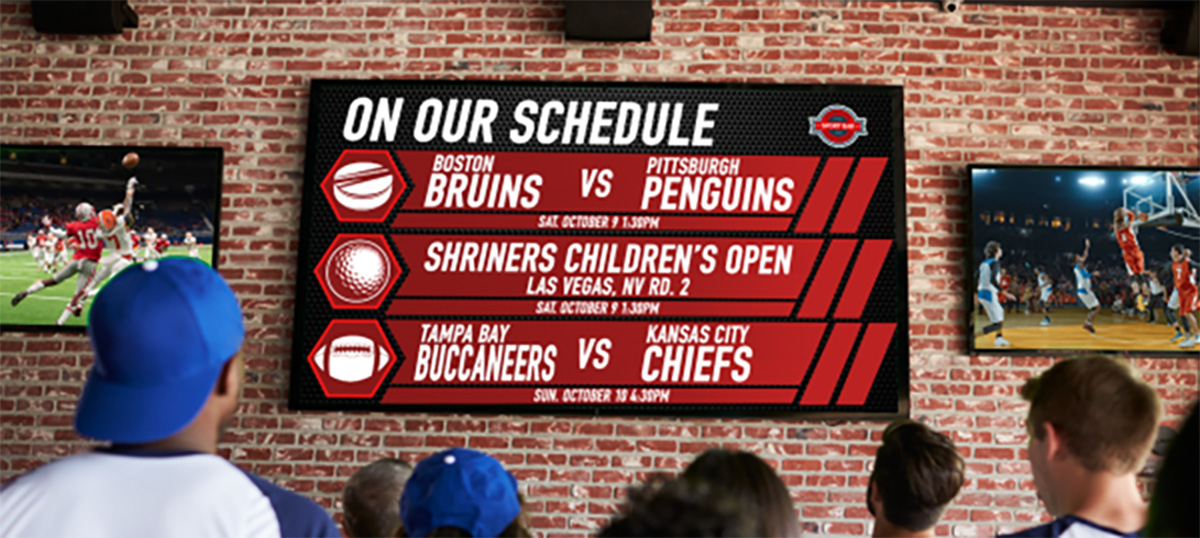
For sports enthusiasts, digital signage can become the ultimate game-day companion. You can keep your audience hooked and informed by integrating live sports scores, highlights, and real-time updates. Imagine a sports bar or restaurant where patrons not only watch the game but also receive real-time stats, player profiles, and live tweets on the big screen. This dynamic content keeps fans engaged and creates a vibrant atmosphere. In fact, you can let people know the games you will be displaying at what time in your restaurant or bar like this:

Digital Signage Player

Additional Ideas:

  • Stream expert commentary and post-game analysis to enhance the viewing experience.
  • Engage fans with live polls and predictions about game outcomes or player performances.

Interactive Trivia Games

Why not turn your digital signage into an interactive trivia hub? Trivia games are a fantastic way to engage your audience and encourage them to interact with your content. With digital signage, you can create trivia contests that allow viewers to participate in real-time, either through their smartphones or other interactive devices.

Set up quizzes related to your business, industry, or general knowledge, and offer prizes or rewards for correct answers. This not only entertains your audience but also drives traffic and keeps people coming back for more. You can also ask questions like this:

Interactive Trivia Games

For example, a restaurant might run trivia nights with themed questions and offer discounts to winners, turning an ordinary night into a fun and engaging event. We also have more tips on improving customer communication in restaurants! Check them out here.

Here’s another example of an interactive game to get your customers hooked:

interactive game

And if you want to take it up a notch, the best example is Yahoo’s bus stop derby challenge. Instead of boring bus stop ads, they used interactive signages to hook the audience with challenges that also allowed them to challenge other neighborhoods. Quite interesting, right?

interactive signages

Play popular music videos

Play popular music videos to set the mood and entertain guests. Music videos can transform the atmosphere of your restaurant, creating a vibrant and dynamic environment. Whether it’s the latest hits or classic tunes, having a mix of music videos can appeal to a wide range of tastes. It not only entertains guests but also encourages them to stay longer and enjoy their experience, leading to increased customer satisfaction and potentially higher sales.

Diverse Entertainment Options

Digital signage doesn’t have to be limited to just sports or trivia. It can serve as a hub for a wide range of entertainment options. Here are a few ideas:

  • Local Events and Community News: Share information about local events, community happenings, or news updates to keep your audience informed and connected to their surroundings.
  • Interactive Polls and Surveys: Use your digital signage to conduct polls and surveys. This will engage your audience and provide valuable feedback and insights.
  • User-Generated Content: Encourage customers to share their photos or experiences related to your business. Displaying user-generated content can foster a sense of community and promote customer loyalty.
  • Live Streaming and Video Content: Stream live concerts, performances, or other events relevant to your audience. This adds a dynamic element to your digital signage and keeps viewers entertained.

Boost Customer Experience

Integrating these interactive and engaging elements into your digital signage can significantly enhance the customer experience. By offering more than just instructions, you create a lively, engaging environment that captures attention and keeps people entertained. This increased engagement can lead to longer dwell times, higher customer satisfaction, and increased revenue.

Conclusion

Digital signage has the potential to transform from a basic information tool into an interactive and engaging platform. By incorporating sports updates, trivia games, and diverse entertainment options, you can create a dynamic experience that captivates your audience and enhances their overall engagement with your business.

Don’t limit your digital signage player to just instructions—explore its full potential and watch how it can elevate your customer interactions to new heights. Intelisa, our advanced digital signage solution, can help you implement these exciting features effortlessly and effectively.

Ready to get started? Book your free trial today!

Categories
Digital Signages

A Reference Guide to Interactive Kiosks

Interactive kiosks have changed the way businesses and public services deal with people. These self-service touchscreen stations are now everywhere in India, from airport check-in counters and metro ticketing machines to mall directories, QSR ordering screens and hospital registration desks. They give customers quick access to information and services, cut down waiting time, and free up staff for work that actually needs a human.

If you are thinking about adding interactive kiosks but do not know where to start, this guide covers everything you need: what they are, the main types, their benefits, the best way to roll them out, and the 2026 trends worth knowing. By the end you will have a clear picture and be ready to make a smart decision.

What Is an Interactive Kiosk?

An interactive kiosk is a self-service device that lets users complete tasks and access information on their own, without staff help. It uses a touchscreen, and often extra inputs like a card reader, scanner, printer or camera, so people can interact quickly and easily.

You will find interactive kiosks in retail stores, airports, hospitals, banks, restaurants and museums. They handle jobs like sharing information, wayfinding, self-checkout, ticketing, payments and interactive advertising. By giving a simple interface and instant access to services, a kiosk improves the customer experience, lifts efficiency, and quietly collects useful data about what people actually use.

Interactive kiosks used for self-service in retail and public spaces in India

Interactive kiosks put information and services directly in the customer's hands, with no queue and no staff needed

The Interactive Kiosk Market in 2026

Self-service is no longer a novelty, it is what customers expect. The numbers show just how fast this shift is happening, in India and worldwide.

$37.7B Global interactive kiosk market size in 2026
11.1% India self-service kiosk market CAGR to 2030
Fastest Asia Pacific is the fastest-growing kiosk region

The global interactive kiosk market is valued at roughly 37.7 billion US dollars in 2026 and is expected to keep growing steadily through the decade. India is one of the quickest movers: the country's self-service kiosk market is projected to grow at about 11 percent a year and nearly double to close to 3 billion US dollars by 2030. This growth is driven by smart-city projects, rapid airport and metro expansion, QSR self-ordering, contactless payments through UPI, and a strong push toward digital public services in tier-2 and tier-3 cities.

"The move to self-service is customer-driven, not just cost-driven. People want speed and control, and a well-placed kiosk gives them both while cutting your queues and your staffing pressure." Intelisa Product Team

Benefits of Interactive Kiosks

Why are businesses across India investing in kiosks? Because the advantages show up quickly, in customer satisfaction and on the bottom line.

Experience

Better Customer Experience

Instant access to information and services means less waiting and more convenience. Customers stay in control and get served faster.

Efficiency

Higher Operational Efficiency

Kiosks handle routine tasks automatically, so your staff can focus on complex needs and higher-value work.

Savings

Lower Running Costs

By reducing the need for extra staff on repetitive tasks, kiosks deliver real cost savings that add up over time.

Insights

Useful Data

Kiosks capture what people browse, order and select, giving you insights to refine your services, menu and marketing.

Always On

24 x 7 Availability

Many kiosks run round the clock, offering services and information well outside normal business hours.

Consistency

Consistent Service

Every customer gets the same accurate, on-brand experience, with no variation and no off days.

Types of Interactive Kiosks

Different jobs call for different kiosks. Here are the main types used in India, with where each one fits best.

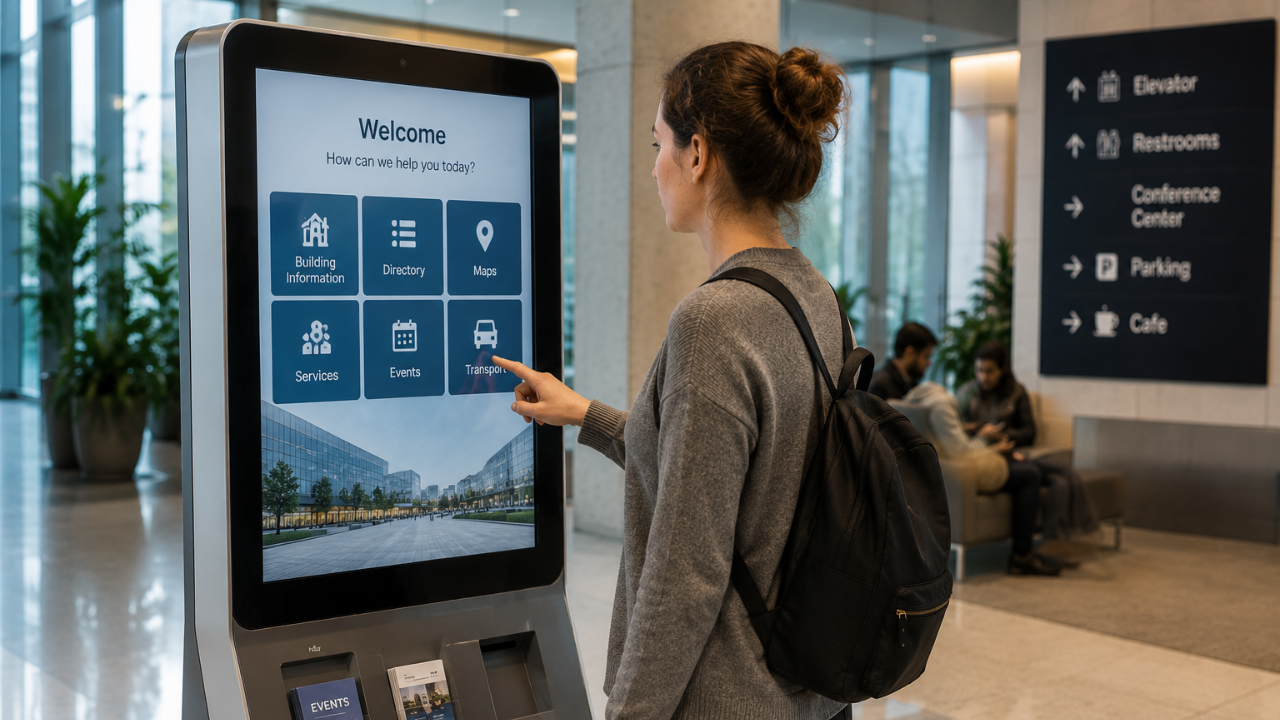
Information Kiosks

Information kiosks give users details on directions, schedules, services and general queries. They are the simplest and most common type.

Information kiosk showing directions and details in a public space

Common uses: museums, airports, universities and shopping malls

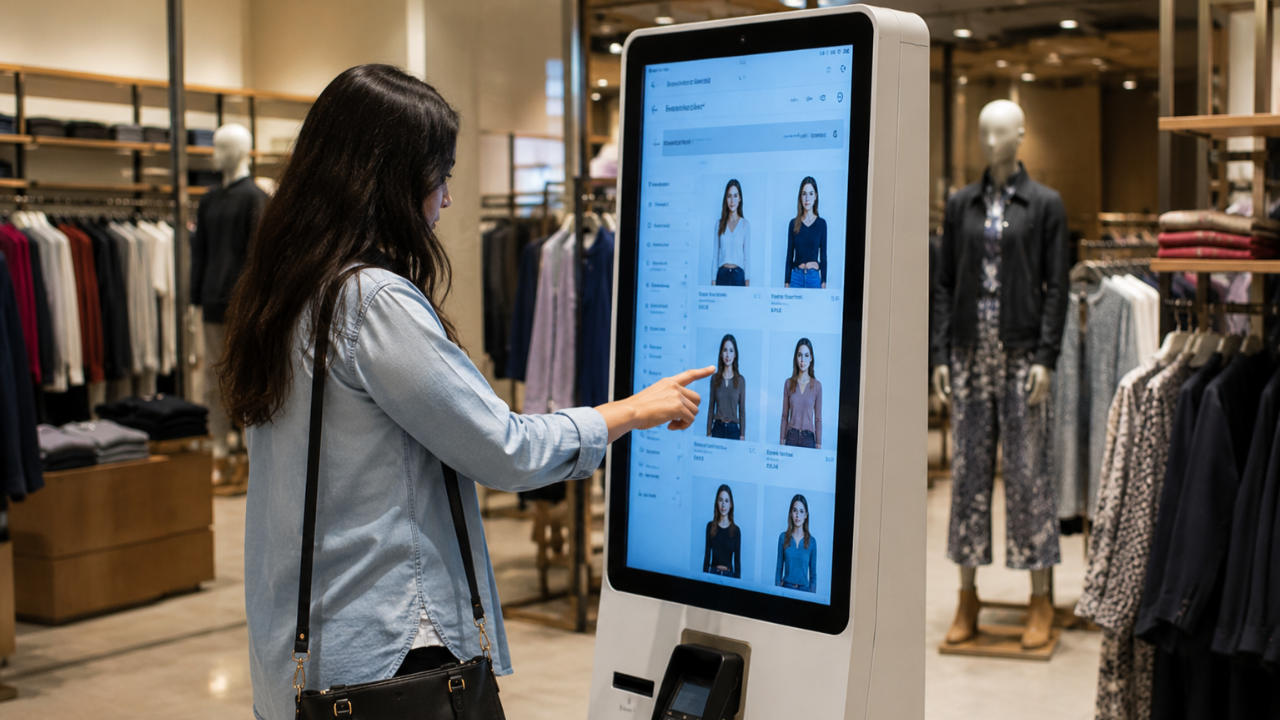
Retail Kiosks

Built for shopping, retail kiosks let customers browse products, check prices and stock, compare options and even complete a purchase. Modern versions add AI-based product recommendations and virtual try-on.

Retail kiosk for product browsing and self-checkout in a store

Common uses: retail stores, malls and trade shows

Self-Service Kiosks

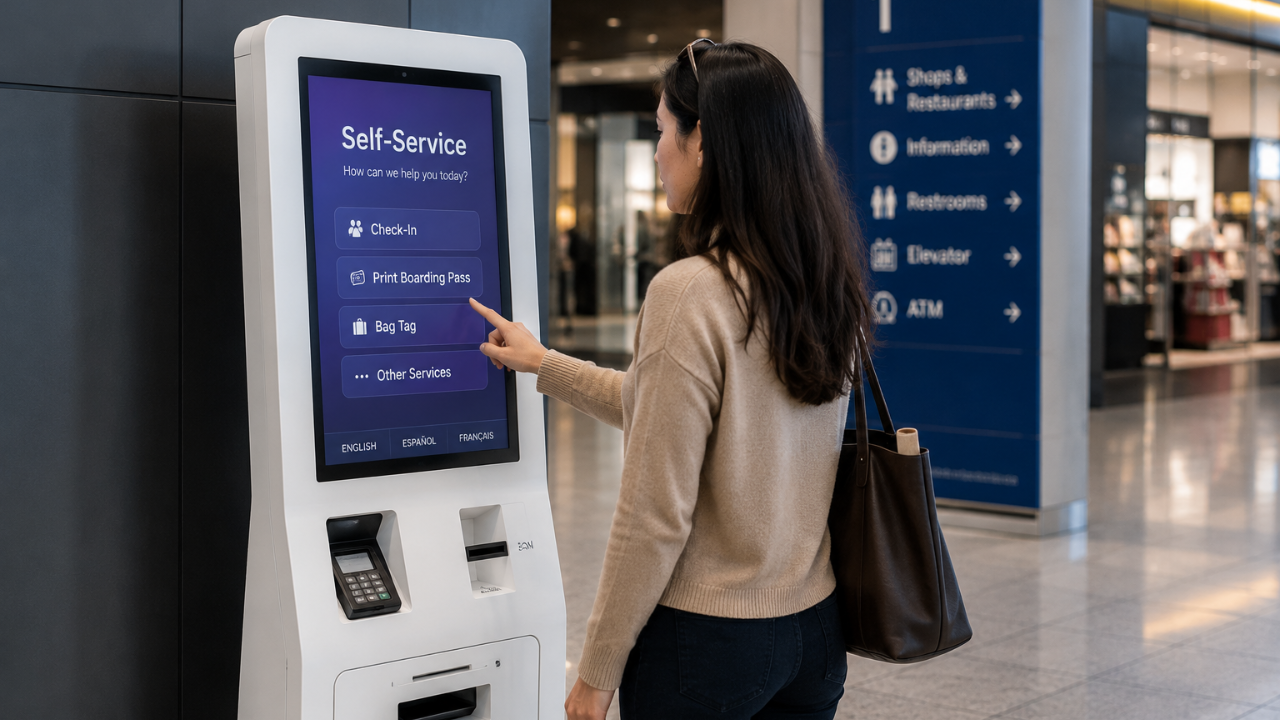
These let users complete tasks themselves, like check-ins, orders, registrations and payments. In QSRs, self-ordering kiosks are now a common sight and are known to lift average order value through smart upselling.

Self-service kiosk for check-in, ordering and registration

Common uses: airport check-in, hospital registration, QSR ordering and banking

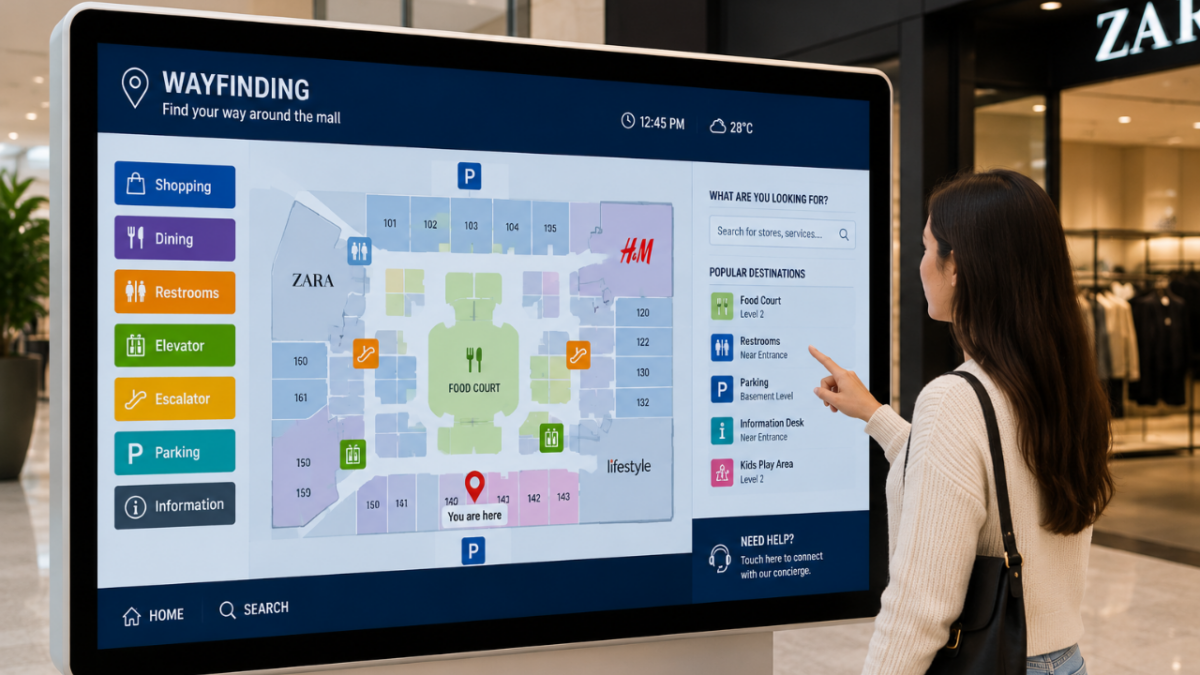
Wayfinding Kiosks

With interactive maps, wayfinding kiosks help people navigate large or complex spaces quickly, reducing confusion and staff questions.

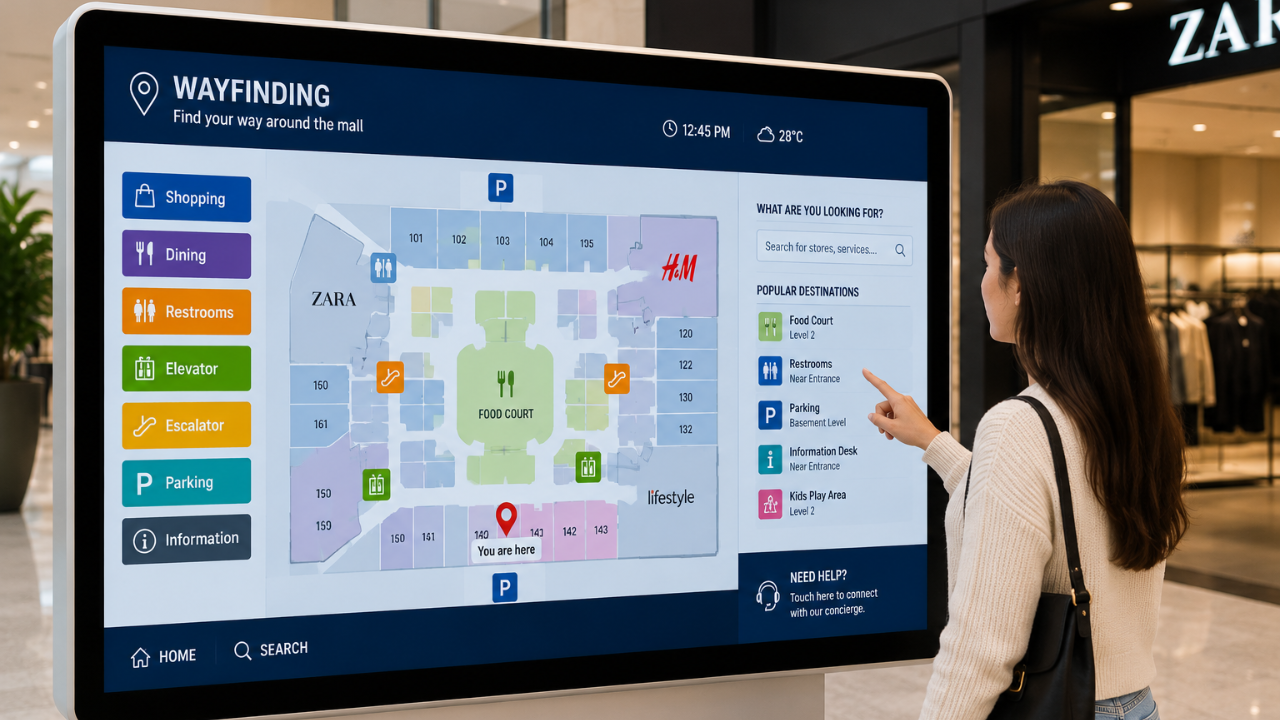
Wayfinding kiosk with an interactive map for navigation

Common uses: universities, shopping centres, hospitals and large corporate campuses

Interactive Advertising Kiosks

These engage users with ads they can interact with, often adding gamification or social media. They are increasingly part of programmatic digital out-of-home networks that let brands target campaigns by location and time.

Interactive advertising kiosk with engaging branded content

Common uses: retail environments, trade shows and urban centres

Digital Signage Kiosks

Combining signage with interactive elements, these kiosks display dynamic content and let users tap for more. They are powered by digital signage software that updates content remotely.

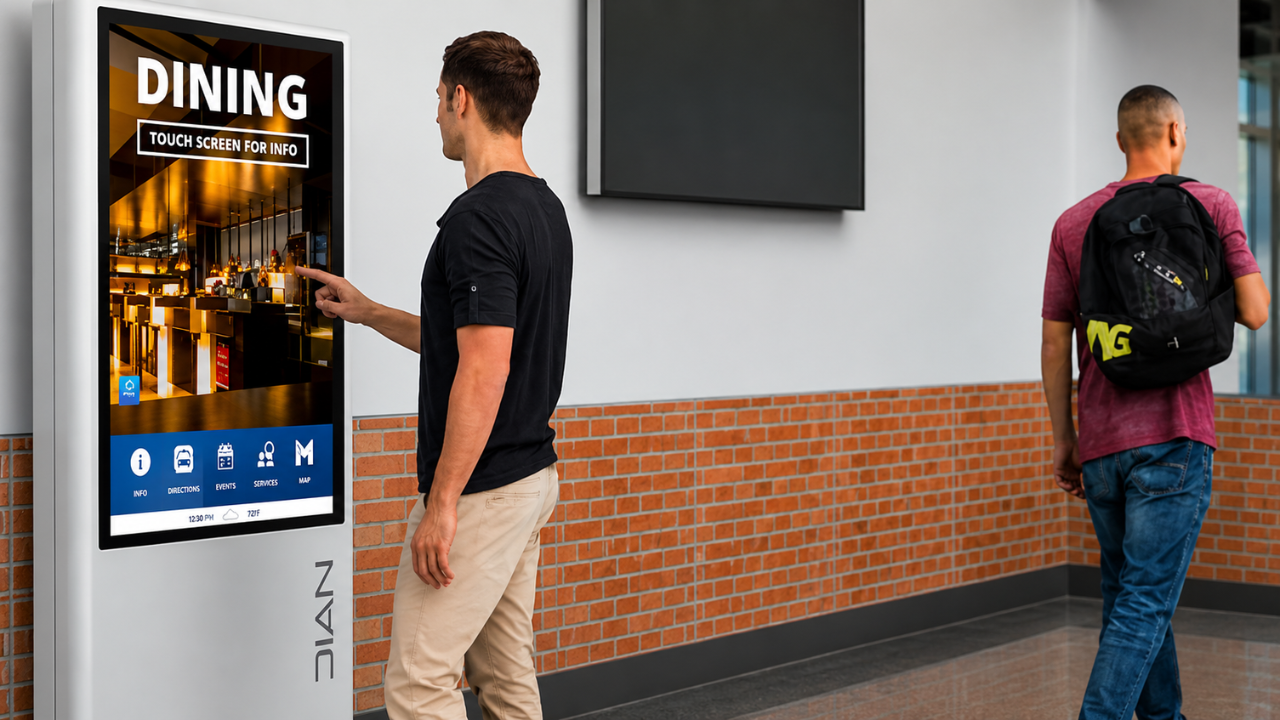
Digital signage kiosk displaying dynamic interactive content

Common uses: transport hubs, events and corporate lobbies

Payment Kiosks

Payment kiosks let users pay bills, recharge accounts and complete transactions on their own. In India, UPI and QR-based payments have made these especially popular and fast.

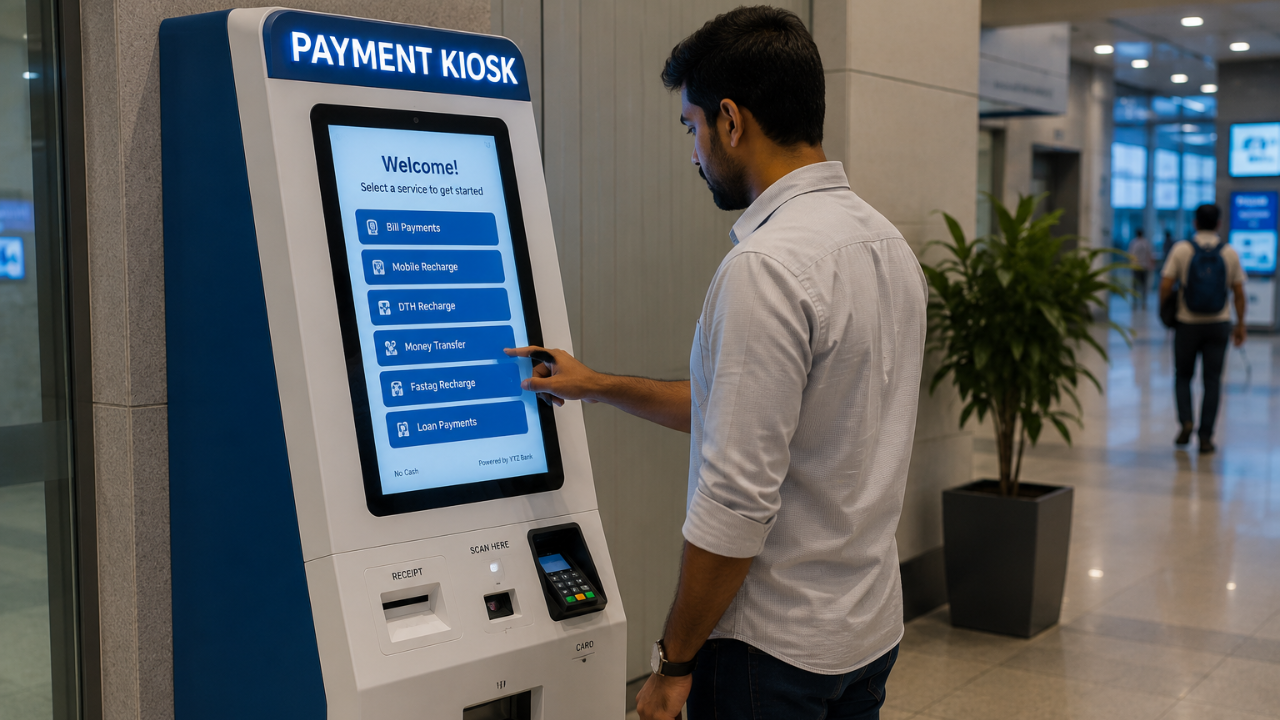
Payment kiosk for bills, recharges and secure self-service transactions

Common uses: banks, utility centres, parking facilities and government offices

Check-In Kiosks

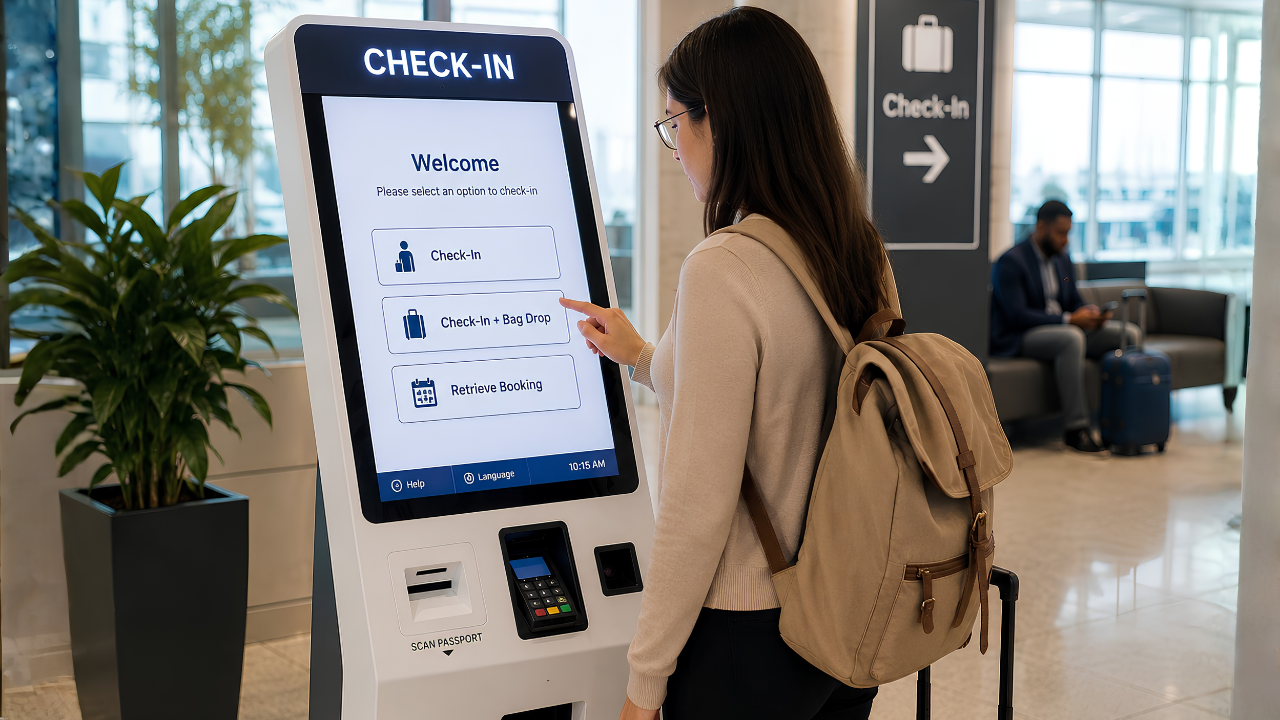
Check-in kiosks let visitors, guests and patients complete registration and check-in themselves, cutting queues at the front desk.

Check-in kiosk for self-service registration at reception

Common uses: hotels, airports, hospitals, events and corporate offices

Power Your Kiosks With Intelisa

A kiosk is only as good as the software behind it. Intelisa's cloud platform runs your touch content, updates it remotely, and keeps every kiosk online and monitored from one dashboard.

  • Runs interactive and touch content on any kiosk
  • Update content remotely across all locations in seconds
  • Monitor uptime and fix issues without a site visit
  • Works offline: kiosks keep running if the internet drops
  • Scales from one kiosk to a nationwide fleet
Explore the Platform
Interactive kiosk powered by Intelisa cloud software

Best Practices for Kiosk Implementation

Knowing the types is one thing. Rolling them out well is what decides success. Follow these practices to get the most from your kiosks.

1

Keep the interface simple

Design an intuitive, easy-to-navigate screen that suits users of every age and comfort level with technology.

2

Place kiosks strategically

Position them in high-traffic spots where your target audience will naturally see and use them.

3

Make them accessible

Add features like text-to-speech, adjustable heights and multilingual support so everyone can use them, including people with disabilities. In India, local-language support matters a lot.

4

Secure user data

Use strong security to protect user data and prevent tampering or unauthorised access, especially on payment and check-in kiosks.

5

Integrate with your systems

Connect kiosks to your existing systems, such as inventory, CRM or a booking engine, for a smooth end-to-end experience.

6

Maintain and monitor remotely

Use a cloud platform to push updates, run diagnostics and catch issues early, so kiosks stay online without constant site visits.

Future Trends in Interactive Kiosks

Kiosks are evolving fast. These are the trends shaping the next few years, and the ones worth planning for now.

AI

AI and Personalization

AI brings personalized recommendations, voice recognition and predictive analytics. QSR kiosks can remember past orders and suggest meals, lifting upsell and cross-sell.

Contactless

Contactless and UPI

Touchless interfaces, QR ordering and UPI payments are now standard expectations in India, driven by the shift to hygiene and speed.

Biometrics

Biometric and Face Verification

Biometric kiosks cut onboarding and KYC from days to minutes, and speed up airport and banking check-ins while staying compliant.

Mobile

Mobile Integration and AR

Kiosks increasingly hand off to a user's phone for seamless transitions, and AR adds immersive product experiences in retail.

Ready to Deploy Interactive Kiosks?

Tell us your use case, from retail and QSR to healthcare and wayfinding. We will recommend the right kiosk setup and show you how Intelisa manages it all from one dashboard.

Talk to the Intelisa Team

Frequently Asked Questions

What is an interactive kiosk?

An interactive kiosk is a self-service digital touchscreen system that lets users access information, make purchases, complete registrations or perform tasks on their own without staff help. It improves convenience, engagement and operational efficiency.

What is the difference between an interactive kiosk and an information kiosk?

An interactive kiosk responds to touch and can handle transactions like ordering, payment and check-in. An information kiosk is a simpler type of interactive kiosk that mainly provides details such as directions, schedules and directories, without transactions.

What are the main types of interactive kiosks?

The main types are information kiosks, retail kiosks, self-service kiosks, wayfinding kiosks, interactive advertising kiosks, digital signage kiosks, payment kiosks and check-in kiosks. Each is designed for a specific job, from browsing products to payments and registrations.

Where are interactive kiosks commonly used in India?

In India, interactive kiosks are widely used at airports, metro and railway stations, shopping malls, retail stores, quick-service restaurants, hospitals, banks, government service centres and corporate offices, for ordering, payments, wayfinding, check-in and information.

What software do interactive kiosks use?

Kiosks use kiosk or digital signage software that controls user access, displays interactive content, manages applications, supports remote updates and ensures secure operation. Cloud-based platforms like Intelisa let you update content and monitor every kiosk from one dashboard.

How do I build or set up an interactive kiosk?

Setting up an interactive kiosk involves choosing the right hardware, installing kiosk software, designing a user-friendly interface, integrating your content or business applications, and using a cloud content management system for remote monitoring and updates. Intelisa can supply both the software and the hardware.

What is the difference between a POS and a kiosk?

A POS, or point of sale, is operated by staff to process transactions. A kiosk is a self-service system that lets customers browse, order, pay and access information on their own, without needing an employee.

Why is it called a kiosk?

The word kiosk comes from a Persian word meaning a small pavilion or booth. Today it refers to a standalone information or service station that gives users quick, easy access to digital content or services.

Conclusion

Interactive kiosks are a powerful way to boost engagement, improve efficiency and offer a wide range of services with less staff pressure. Once you understand the types, the benefits and the best practices, it becomes easy to choose the right setup for your business and location. And as AI, contactless payments and biometrics mature, kiosks will only become more capable.

The one thing that ties every kiosk together is the software running it. With a reliable cloud platform like Intelisa, you can run your touch content, update it instantly across every location, and keep your whole kiosk fleet online from a single dashboard. If you are ready to explore kiosks for your business, get in touch with Intelisa.

I
Intelisa Content Team

The Intelisa team writes about digital signage, kiosks and smart display technology for businesses across India. Questions? Write to us at info@intelisa.in

Categories
Digital Signages

Digital Menu Boards in Restaurants: The Complete 2026 Guide

Today, customers demand faster service, a better experience, a visually appealing environment, and real-time information. Old printed menus and static posters are no longer sufficient to engage modern diners.

The restaurant industry has undergone significant changes over the past few years. This is where digital menu boards are transforming restaurants, cafes, food courts, QSRs, and cloud kitchens across India.From showcasing live offers and combo meals to reducing wait times and improving upselling, digital menu boards have become one of the most effective communication tools in the food industry.At Intelisa, we help restaurants modernize customer communication with smart digital signage solutions that enhance the customer experience, increase operational flexibility, and create visually appealing dining spaces.

What Are Digital Menu Boards?

Digital menu boards are electronic display screens used to dynamically display menus, offers, prices, food visuals, promotional videos, and announcements. Unlike printed menus, digital boards can be updated instantly without reprinting or manual modification.

Restaurants can automatically display breakfast menus, lunch combos during peak hours, evening snack promotions, and late-night offers throughout the day. This flexibility helps restaurants keep communications relevant and visually appealing at all times.

Customers today are highly visual. They often decide what to order based on attractive visuals rather than reading lengthy menu descriptions. Digital menu boards help restaurants communicate more effectively through high-quality food photography, animations, videos, and dynamic layouts that instantly capture attention.

Benefits of Using Digital Menu Boards in Restaurants

Digital menu boards offer many benefits for restaurants seeking to elevate their dining experience. Here are some major ones:

  • Makes the offerings visually compelling
    By incorporating high-resolution images and videos, restaurants can showcase their food and beverages in a way that entices and captures diners’ attention. The vibrant colors and dynamic display technology create a sensory experience that engages customers and makes the decision-making process more enjoyable.
  • Easy updates and modifications
    Digital menu boards allow for easy updates and modifications. Unlike traditional paper menus, which require reprinting every time a menu item changes, digital boards can be updated instantly. This enables restaurants to swiftly respond to changes in ingredient availability, seasonal offerings, or limited-time promotions.
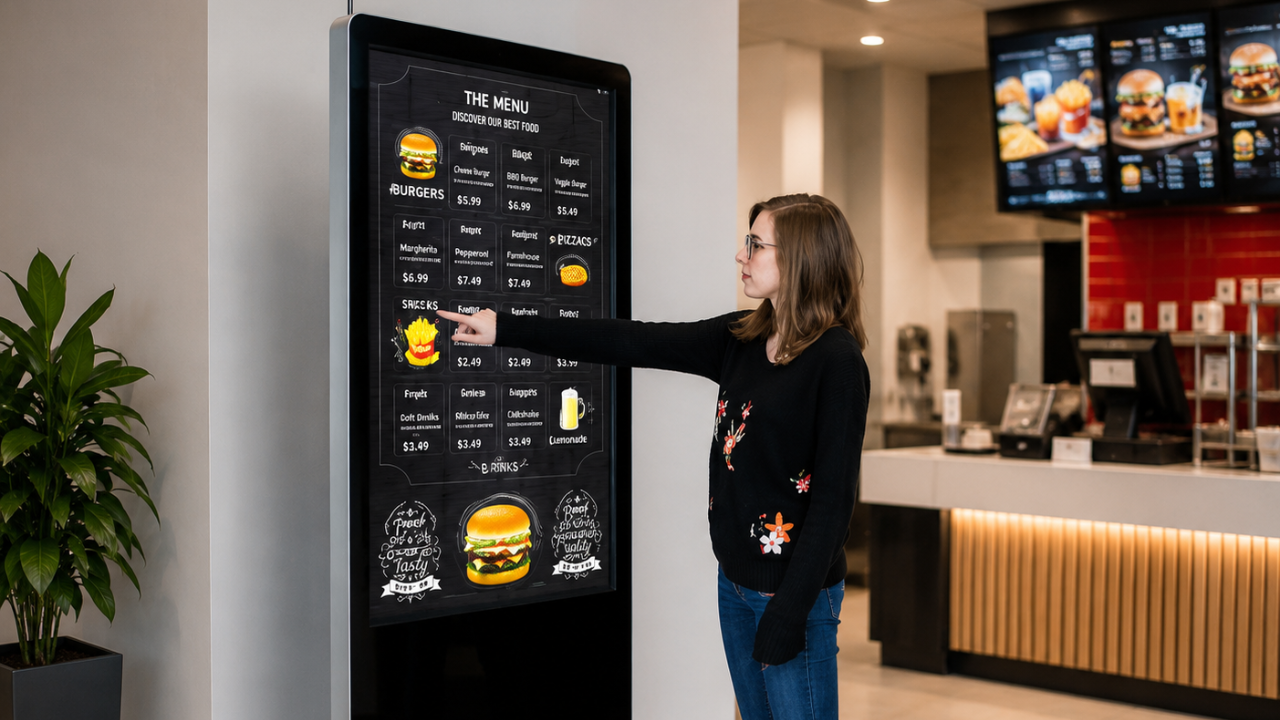
Digital Menu Boards in Restaurants
  • Ability to incorporate interactive elements
    With touchscreens or interactive displays, customers can engage with the menu, browse through different categories, and even customize their orders. This level of interactivity enhances the overall dining experience and provides valuable data for restaurants to analyze customer preferences and tailor their offerings accordingly.

How to Optimize the Dining Experience with Digital Menu Boards

To fully optimize the dining experience with digital menu boards, restaurants must consider several key factors. Here are some strategies to make the most out of these innovative displays:

Captivating visuals

Invest in high-quality images and videos that showcase the restaurant’s offerings in an appealing and appetizing way. The visuals should accurately represent the food and beverages, enticing customers to explore the menu further.

Clear and concise descriptions

Provide detailed yet concise descriptions of each menu item. Use enticing language to highlight unique features, flavors, and ingredients. The descriptions should be easy to read and understand, helping customers make informed choices.

Strategic placement

Position high-margin items, popular dishes, or limited-time offers in prominent locations on the digital menu board. Use eye-catching visuals and compelling descriptions to capture customers’ attention and encourage them to order these items.

Digital Menu Boards

Seasonal and limited-time promotions

Leverage the flexibility of digital menu boards to promote seasonal or limited-time offerings. Highlight special dishes, promotions, or events to create a sense of urgency and drive customer interest.

Interactive elements

Incorporate interactive features such as touchscreens or QR codes that allow customers to customize their orders or access additional information. This level of interactivity enhances the overall dining experience and engages customers on a deeper level.
Why Digital Menu Boards Matter More in 2026

Customer expectations are evolving rapidly. People now expect businesses to communicate visually, quickly, and digitally.

Restaurants still depending entirely on printed menus may begin to feel outdated compared to competitors using dynamic digital displays.

Customers today expect:

  • Faster ordering
  • Better visuals
  • Real-time information
  • Cleaner communication
  • Interactive experiences

Digital menu boards are no longer just optional upgrades. They are becoming an important part of modern restaurant operations.

Smart Features Restaurants Love

Modern digital menu boards come with powerful features that make restaurant communication easier and more efficient.

Restaurants can automate menu scheduling based on different times of day. Breakfast menus can appear in the morning, lunch promotions during afternoon hours, and dinner combos in the evening automatically.

Cloud-based content management allows restaurants to update screens remotely without requiring technical expertise. Owners and marketing teams can control promotions, menus, and campaigns from one dashboard.

Multi-screen support also allows restaurants to display different content in different areas simultaneously. Counter screens, waiting areas, kiosks, and table displays can all serve unique communication purposes, which becomes especially important once a brand is managing digital signage across multiple locations.

Perfect for Different Restaurant Formats

Digital menu boards work exceptionally well across multiple food business formats.

Quick-service restaurants use them for faster ordering and combo promotions. Cafés use them for ambience and visual storytelling. Food courts rely on them for high-visibility menu communication. Fine-dining restaurants use elegant displays for premium branding.

Even cloud kitchens and takeaway-focused businesses are increasingly using digital displays to improve customer experience and operational flexibility, an approach covered in more depth in our guide to restaurant digital signage ideas beyond the menu.

Why Restaurants Choose Intelisa

Intelisa provides restaurant digital signage solutions designed specifically for modern food businesses.

We help restaurants modernize communication through:

  • Digital menu board setup
  • Cloud-based content management
  • Real-time updates
  • Multi-screen installations
  • Promotional campaign management
  • QR code integration
  • Multi-location support

Our solutions are scalable for cafés, QSR chains, restaurants, cloud kitchens, and large food brands across India.

Whether you run a single café or a nationwide restaurant chain, Intelisa helps transform ordinary screens into powerful customer communication tools.

The Future of Digital Menu Boards in the Restaurant Industry

As technology continues to evolve, the future of digital menu boards in the restaurant industry looks promising. Here are some trends and possibilities to look out for:

Integration with Mobile Ordering

Digital menu boards can be seamlessly integrated with mobile ordering platforms, allowing customers to browse the menu, place orders, and make payments directly from their smartphones. This streamlines the ordering process and provides a personalized experience for customers.

Artificial Intelligence and Personalization

With the help of artificial intelligence, digital menu boards can analyze customer preferences and make tailored recommendations. By leveraging data on past orders, dietary restrictions, and flavor preferences, restaurants can create personalized menus for each customer, further enhancing the dining experience.

Augmented Reality (AR) Experiences

Imagine seeing a 3D representation of your dish before ordering it. With the integration of augmented reality, digital menu boards can provide immersive experiences that allow customers to visualize their food in a virtual environment. This technology can potentially revolutionize how customers interact with menus and make dining decisions.

Digital Menu Boards in the Restaurant Industry

Sustainability and Cost Savings

Digital menu boards eliminate the need for printed menus, reducing paper waste and creating a more sustainable environment. Additionally, digitally updating menus saves printing costs and allows for more efficient menu management.

Optimize the dining experience with digital menu boards

Digital menu boards are transforming the restaurant industry by offering a dynamic and engaging platform for showcasing menus. With their visually stunning displays, easy updates, and opportunities for upselling and cross-selling, these boards are reshaping the future of restaurants.

As we look ahead, the integration of mobile ordering, artificial intelligence, augmented reality, and sustainability will continue to shape the future of digital menu boards. Restaurateurs who embrace these advancements and leverage the power of these displays will be well-positioned to thrive in the ever-evolving dining landscape.

These are some of the ways digital menu boards can help your business thrive. But that’s not all. In our digital signage pdf, we have covered some of the top trends in DOOH advertising that can help you connect with your ideal customers better. Check it out today!
Categories
Digital Signages

Enabling digital signage through the Amazon Fire Stick

Digital signages have become an increasingly popular method for businesses to convey information, advertisements, and interactive content to their customers or employees. With the advent of technology, the options for implementing digital signage have expanded, offering more flexibility and affordability.

One such versatile solution is leveraging the Amazon Fire Stick, a small yet powerful device originally designed for streaming media content on televisions. In this article, we’ll delve into what the Amazon Fire Stick is, explore its features, and guide you through the process of enabling digital signage using this innovative device.

What is an Amazon Fire Stick?

The Amazon Fire Stick is a compact streaming device developed by Amazon, designed to transform any compatible television into a smart TV. It is a small, plug-and-play device that connects to the HDMI port of your TV, allowing you to access a wide range of streaming services, apps, games, and other content directly on your television screen.

Essentially, the Fire Stick enables users to stream movies, TV shows, music, and more from popular platforms like Netflix, Amazon Prime Video, Hulu, Disney+, and many others. The device operates on Amazon’s Fire OS, a customized version of the Android operating system optimized for media consumption.

Amazon Fire Stick

Equipped with built-in Wi-Fi connectivity, the Fire Stick seamlessly connects to your home network, enabling smooth streaming of high-definition content.  It also comes with a remote control featuring voice search capabilities, making it easy to find and navigate through your favorite content using simple voice commands.

How to enable Digital Signages through a fire stick

To enable digital signage through a Fire Stick, you first need to set up the Fire Stick using the following steps:

  • Connect the Fire TV Stick to the power adapter using the USB cable and plug it into the HDMI port of your display.
  • Turn on your device and choose the corresponding HDMI input source on your screen.
  • Wait for the Amazon Fire Stick logo to appear
  • Select your preferred language and WI-Fi network details using the remote
  • Sign in to your registered Amazon account.
  • Once signed in, you can configure your Amazon Fire TV Stick further according to your preferences.

Next, you need to download and install the Intelisa app on your Amazon Fire TV Stick; you can start by voice searching if you have an Alexa voice remote.

Alternatively, you can manually search for the app by following these steps:

  • Navigate to the Home page menu and select ‘Find.’
  • Choose the ‘Search’ option.
  • Use the directional pad to type ‘Intelisa’ and press the Select button to highlight the app.
  • Select the Intelisa app from the results and press the Select button.
  • Click on ‘Download.’
  • Wait for the download to complete, and then select ‘Open’ to launch the app.

Once the Intelisa app is launched, a eight-digit unique Screen Registration Code will appear on your screen. Enter this code on your Intelisa portal.

Now that you are all set, it’s time to configure content and settings:

  • Upload images, videos, or other multimedia content for your digital signage.
  • Customize the layout, scheduling, and other settings according to your preferences.

Save your changes and ensure that your Fire TV Stick remains connected to the internet for seamless content updates and management.

Applications of Digital signage using the Amazon Firestick

Let’s now look at some common applications of digital signage using the Amazon Fire TV stick:

  • Retail Stores: Display promotions, product information, and advertisements to attract customers and enhance their shopping experience.
  • Restaurants and Cafes: Showcase menu items, daily specials, and upcoming events to inform customers and encourage upselling by using digital signage in restaurants.
  • Corporate Offices: Share important announcements, company news, and employee recognition to improve internal communication and engagement.
  • Healthcare Facilities: Provide patient education, wayfinding information, and appointment reminders to enhance the patient experience and streamline operations.
  • OOH Advertising: Install weather-resistant digital signage displays in outdoor locations such as bus stops, street corners, and sports arenas to reach a broader audience and increase brand visibility.
  • Transportation Hubs: Display real-time travel updates, departure schedules, and safety information to assist passengers and improve the overall transit experience.
  • Hotels and Hospitality: Welcome guests with personalized messages, promote amenities and services, and provide local area recommendations to enhance their stay.
  • Entertainment Venues: Advertise upcoming shows, movie schedules, and concession offerings to attract patrons and increase revenue.

General applications of Fire sticks

The Amazon Fire Stick allows you to stream movies, TV shows, and music from popular services like Netflix and Amazon Prime Video on your TV. You can also install apps, browse the web, and mirror content from your devices.

Additionally, with Intelisa, you can use the Fire Stick for digital signages, displaying ads, announcements, or other content on your TV screen. It’s a versatile device that offers a range of entertainment and productivity options, all accessible through a simple plug-and-play setup.

Types of Firestick, specifications and reviews

You’ll find several Amazon Firestick options as you browse through the website. Let’s have a quick glimpse at the ones with the highest ratings:

Fire TV Stick with Alexa Voice Remote (includes TV and app controls)

Fire TV Stick with Alexa Voice Remote

With 84K+ reviews and 4.3 stars, this Amazon Fire Stick with Alexa voice remote is the preferred option. Let’s look at some of its specifications:

  • Output resolution supported: 1080p and 720p up to 60 fps
  • Processor: Quad-core 1.7 GHz
  • GPU: IMG GE8300
  • Storage: 8 GB internal
  • Voice support: Yes, with Alexa Voice Remote (included) or the free Fire TV app (available for download on Fire OS, Android, and iOS)
  • Audio support: Dolby Atmos, Dolby Digital, Dolby Digital+ Surround sound and HDMI Audio passthrough for Dolby Digital, Dolby Digital+, Dolby Atmos.
  • TV compatibility: High-definition television with available HDMI input, internet connection via wifi, a power outlet
  • Video content formats supported: HDR 10, HDR10+, HLG, H.265, H.264, Vp9
Fire TV stick Rating

Note: This Fire TV stick does not support 4K streaming. If that feature interests you, you can check Fire TV Stick 4K, which has 7,550 reviews and a 4.3-star rating.

Fire TV Stick Lite with all-new Alexa Voice Remote Lite

Fire TV Stick Lite with all-new Alexa Voice Remote Lite

With 12K+ reviews, a 4.3-star rating, and 2K+ sales in the last month, this Fire TV Stick Lite can be a great pick. Let’s look at the specifications to see if it suits your needs:

  • Output resolution supported: 1080p and 720p up to 60 fps
  • Video content formats supported: HDR 10, HDR10+, HLG, H.265, H.264, Vp9
  • Voice support: Yes, with Alexa Voice Remote Lite (included) or the free Fire TV app (available for download on Fire OS, Android, and iOS)
  • Storage: 8 GB internal
  • Processor: Quad-core 1.7 GHz Audio support
  • Audio support: HDMI audio passthrough of Dolby-encoded audio (Dolby Digital, Dolby Digital+, Dolby Atmos
Fire TV Stick Lite with all-new Alexa Voice Remote Lite Rating

Now that you have all the information you need to enable digital signages using Fire Stick, it’s time to put this knowledge into use. If you want to learn more about how you can make the most of these two technologies, book a free trial today! Let our team of experts guide you through the way.

Categories
Digital Signages

The Art of Visual Storytelling: Captivating Audiences with Video Walls in Events and Exhibitions

Capturing the attention of an audience continues to become more challenging. In events and exhibitions, the use of video walls has emerged as a powerful tool to engage and captivate viewers. The art of visual storytelling takes center stage as these impressive displays seamlessly merge Display Technology and creativity to create a truly immersive experience.

Drawing inspiration from the world of cinema, video walls have the ability to transport audiences into a different realm, where brand stories are brought to life in vivid detail. These large-scale, high-resolution screens seamlessly blend together multiple videos, images, and animations, captivating viewers with their larger-than-life presence.

With their ability to attract attention and spark curiosity, Digital Billboard-style video walls have become a must-have for brands looking to make a memorable impact at events and exhibitions. It’s time to embrace the art of visual storytelling and harness the power of video walls to captivate, engage, and leave a lasting impression on your audience.

What are video walls?

Video walls are large-scale displays that consist of multiple screens seamlessly connected to form a single, cohesive display. These screens can be arranged in various configurations, such as a grid or a mosaic, to create a visually stunning effect. The screens can be LED panels, LCD panels, or projection-based, depending on the desired outcome and budget.

video walls

Common Video Wall Configurations

Video walls can be configured in various arrangements to suit different spatial constraints and visual preferences. Some common configurations include:

2×2 Grid

In a 2×2 configuration, four display panels are arranged in a square grid, typically with two panels across and two panels down. This setup provides a compact yet impactful display solution.

2×3 Grid

A 2×3 configuration consists of six display panels arranged in a rectangular grid, with two panels across and three panels down. This arrangement offers a wider aspect ratio compared to a 2×2 grid, which is ideal for showcasing widescreen content or creating immersive environments.

In some installations, the individual display panels may be angularly oriented rather than aligned perfectly parallel to each other. This angular orientation can create visually dynamic displays that stand out and draw attention.

For artistic or avant-garde installations, video wall panels may be arranged in a non-linear or seemingly random pattern. This unconventional arrangement can be used to create unique visual effects and artistic expressions.

Benefits of using video walls in events and exhibitions

Let’s now look at some benefits of installing video walls in events and exhibitions:

Attention-Grabbing

Video walls instantly attract attention and create a sense of awe, making a lasting impression in crowded event spaces.

Flexibility in Content Display

Brands can blend videos, images, and animations seamlessly on video walls, allowing for dynamic storytelling and engaging experiences tailored to the target audience.

Scalability

Video walls can be customized in size and configuration to fit any event space, from small booths to large exhibition areas, ensuring effective communication with various audience sizes.

Types of video walls and their features

Video walls come in various types, each with its own unique features and benefits. The most common types include LED video walls, LCD video walls, and projection-based video walls.

LED Video Walls

LED video walls are known for their high brightness and excellent color reproduction. They are suitable for outdoor events and locations with high ambient light. LED panels are modular, allowing for easy customization of size and shape. They also offer a wide viewing angle, ensuring that the content is visible from different perspectives.

LCD Video Walls

LCD video walls, on the other hand, are great for indoor events and exhibitions. They offer excellent image quality, with a high resolution and contrast ratio. LCD panels are thin and lightweight, making them easy to install and transport. They also consume less power compared to LED video walls, resulting in lower operating costs.

Projection-Based Video Walls

Projection-based video walls use projectors to display content on a large surface. They offer flexibility in terms of screen size and shape. Projection-based video walls are ideal for temporary installations or events where portability is important. However, they may require additional setup and calibration to achieve optimal image quality.

Planning and designing your video wall display

Before diving into the content creation process, it is important to plan and design your video wall display. Consider the following factors while doing the same:

Space and Configuration

Begin by assessing the event space and audience demographics to determine the optimal size and layout of the video wall. Experiment with different configurations to maximize visual impact, considering factors like available space and viewing distance.

Content Flow and Organization

Plan the narrative and content organization carefully. Decide whether the content will follow a linear sequence or incorporate a variety of media formats. Ensure a smooth and engaging visual experience for the audience by structuring the content effectively.

Technical Considerations

Pay attention to technical aspects such as resolution, aspect ratio, and content format. Optimize the content for the specific video wall configuration to achieve the best image quality. Seek guidance from professionals or experts to ensure seamless setup and operation of the video wall.

Content creation tips for video walls

Creating content for video walls requires a different approach compared to traditional displays. Here are some tips to help you create compelling and engaging content for your video wall display:

Keep It Visually Engaging

Video walls offer a canvas for creativity, so make sure to take advantage of it. Use high-quality images, captivating videos, and attention-grabbing animations to create visually stunning content.

Tell a Story

Instead of simply showcasing products or services, focus on telling a story that resonates with your audience. Craft a narrative that captivates viewers and leaves a lasting impression.

Consider the Context

Think about the event or exhibition theme and the target audience. Tailor your content to align with the context, ensuring that it is relevant, relatable, and impactful.

Optimize for Attention

Video walls have the power to attract attention, but it’s important to keep the content engaging to maintain viewers’ interest. Consider the pace, duration, and sequencing of your content to create a captivating experience.

Test and Iterate

Don’t be afraid to experiment with different content variations. Test your content on the video wall before the event or exhibition to ensure optimal visual impact. Gather feedback and iterate based on audience reactions.

Remember, the goal is to create a memorable and immersive experience that captivates your audience. Utilize the power of visual storytelling to create a lasting impression.

Examples of successful video wall installations

To inspire your own video wall creations, let’s explore some examples of successful video wall installations:

Nike: “Unlimited Stadium”

Nike created a massive circular video wall installation in the shape of a running track. Visitors were able to compete against a virtual avatar of themselves, creating a highly interactive and engaging experience.

Video Wall

BMW: “Art Cars”

BMW used video walls to showcase their iconic Art Cars, which are custom-designed vehicles created by renowned artists. The video walls displayed high-resolution images and videos of the Art Cars, allowing viewers to appreciate the intricate details and artistic expressions.

video wall installations

These examples demonstrate the power of video walls in creating immersive and memorable experiences. By combining creativity, technology, and storytelling, brands can captivate their audience and leave a lasting impression.

Measuring the success of video wall campaigns

Measuring the success of your video wall campaigns is essential to understand the impact and ROI of your efforts. Here are some key metrics to consider:

Engagement Metrics

Track metrics such as dwell time, interaction rate, and audience participation to gauge the level of engagement with your video wall display. This will help you understand how effectively you’re capturing and holding viewers’ attention.

Social Media Metrics

Monitor social media mentions, shares, and engagement related to your video wall campaign. This will provide insights into the reach and impact of your campaign beyond the physical event or exhibition.

Lead Generation and Conversions

If your video wall display is part of a larger marketing campaign, track lead generation and conversions to measure the effectiveness of your efforts. This can include tracking QR code scans, website visits, or inquiries generated through your video wall display.

Post-Event Surveys and Feedback

Gather feedback from event attendees to understand their perception and experience of your video wall display. Conduct post-event surveys or interviews to gather qualitative insights that can help inform future campaigns.

By analyzing these metrics, you can gain valuable insights into the success of your video wall campaigns and make data-driven decisions for future events and exhibitions.

customized video walls

Install customized video walls with Intelisa!

As technology continues to advance, the art of visual storytelling in events and exhibitions will only become more important. Video walls offer a unique and powerful medium to captivate and engage audiences, creating immersive experiences that leave a lasting impression.

But with so many areas to keep in mind, you need a team of experts who can help you implement these video walls with ease. Intelisa provides you with customized digital solutions to give you the flexibility to arrange video walls as per your preference.

Be it a 2×2 screen arrangement, 2×3 screen arrangement, angularly oriented, or random screen arrangement, our hardware is deeply integrated with our software, which helps us offer you tight customizable control over screens.

Want to learn more about how Intelisa can help?

Book a free trial today!