Categories
Digital Signages

Beyond the Billboard: How AI is Redefining DOOH

Billboard

The era of “post and pray” is officially over.

If you walk through the bustling streets of New York, Dubai, or Singapore today, you’ll notice a subtle yet profound shift. The screens surrounding us haven’t just become brighter, they’ve become sentient. Artificial Intelligence isn’t just a buzzword; it is the central nervous system of public advertising.

Digital Out-of-Home (DOOH) has evolved from simple electronic posters into intelligent ecosystems that sense, adapt, and optimize in real-time. Here is how AI is transforming the landscape and how platforms like Intelisa are leading the charge.

The End of Static Ad Loops

For decades, DOOH relied on the “fixed loop”—a 30-second ad playing on repeat regardless of who was watching. AI and edge computing have effectively dismantled this “set-it-and-forget-it” model.

Today’s screens utilize dynamic decision-making to react to real-world triggers:

  • Weather-Responsive: A sudden downpour instantly switches a screen from sunscreen ads to ride-hailing services or hot coffee promotions.
  • Demographic Sensing: As a group of Gen-Z shoppers approaches, the creative shifts to trending streetwear or the latest sneaker drop.
  • Contextual Assembly: Instead of one static video, AI assembles multiple creative elements (headlines, visuals, and offers) on the fly to match the moment.

💡 Pro Tip: Stop designing “an ad.” Build a kit of creative parts. Let the AI determine which combination of visual and headline will convert best in the current environment.

Precision Targeting: Measuring Attention, Not Just Traffic

In a high-velocity urban world, footfall is a vanity metric. What matters is attention. AI-powered sensors now allow brands to move beyond “how many people passed by” to “how many people actually looked.”

Modern systems now measure:

  • Gaze Duration: How long eyes stayed on the screen.
  • Dwell Time: How long a person remained in the vicinity.
  • Engagement Signals: Whether the viewer interacted via mobile or gesture.

This data allows for a Temporal Content Strategy: morning commuters get punchy, direct messaging, while evening crowds with higher dwell times are served immersive storytelling.

Making Smart DOOH Accessible With Intelisa

AI-powered DOOH is no longer limited to large global brands.

Platforms like Intelisa are making cloud-based digital signage solutions accessible to businesses of all sizes.

Instead of manual updates, businesses can now run proactive campaigns that adjust automatically.

Key Capabilities

  • Inventory sync that removes unavailable products automatically
  • Real-time campaign updates across locations
  • QR-based engagement for seamless customer journeys
  • Centralized dashboard to manage multiple screens

This turns DOOH into a smart and responsive system.

💡 Intelisa Pro Tip: Use QR codes to connect outdoor ads with online conversions.

Programmatic DOOH: The Digital Precision of Outdoor

The way we buy ad space has changed. Programmatic DOOH (pDOOH) allows brands to bid on “moments” rather than locations.

  • Hyper-Local Targeting: Only show ads on screens within 500 meters of your retail store.
  • High-Intent Moments: A movie studio can bid for higher frequency specifically near cinemas on Friday nights.
  • Budget Agility: Shift your spend instantly based on which locations are performing best.

💡 Pro Tip: Focus on high-intent moments instead of continuous exposure.

Moving Toward Performance-Driven Metrics

Outdoor advertising used to be a “brand awareness” play. By integrating AI with mobile location data and QR interactions, brands can now track:

  1. Screen Exposure vs. Store Visits.
  2. App Downloads triggered by specific displays.
  3. Direct Purchases via scan-to-buy features.

💡 Pro Tip:  Always include a clear call to action to improve tracking.

Why AI-Driven DOOH Is Growing Globally

The growth of AI in DOOH is driven by several global trends.

Urban Expansion

Cities are becoming more crowded, increasing the need for smarter communication.

Smart Infrastructure

Digital screens are now part of transport systems, malls, and public spaces.

Cost Efficiency

Technology has become more affordable for businesses.

Changing Consumer Expectations

People expect personalized and relevant messaging everywhere.

These factors are driving rapid adoption worldwide.

Interactive Screens and Smart Kiosks

DOOH is no longer passive.

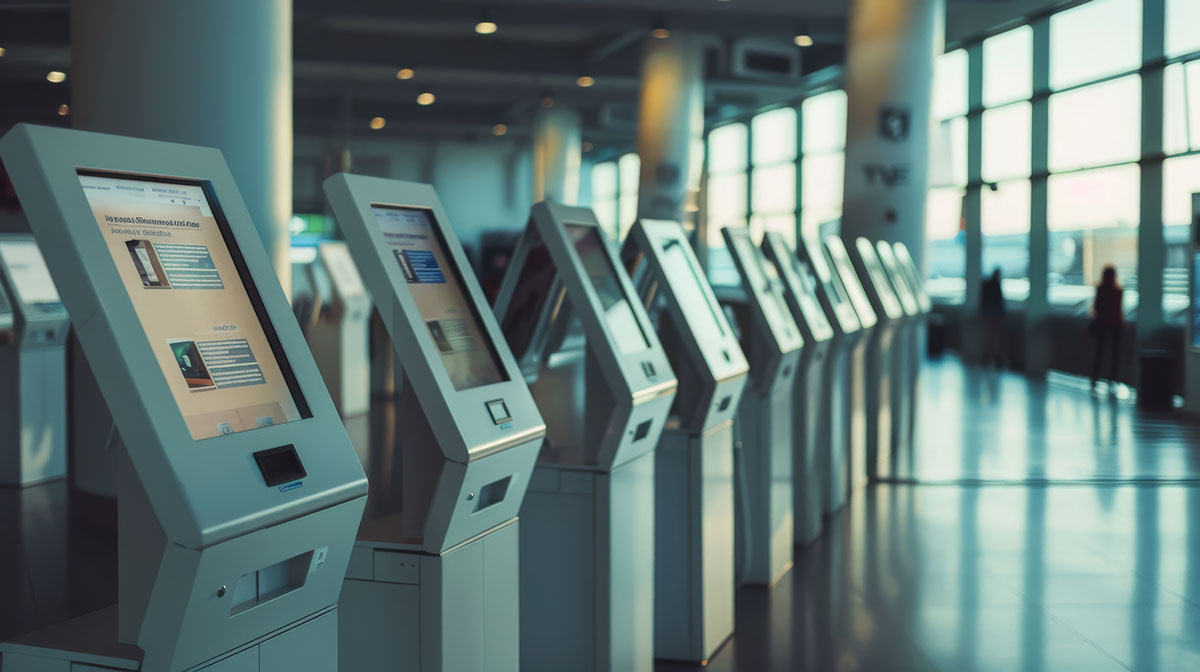
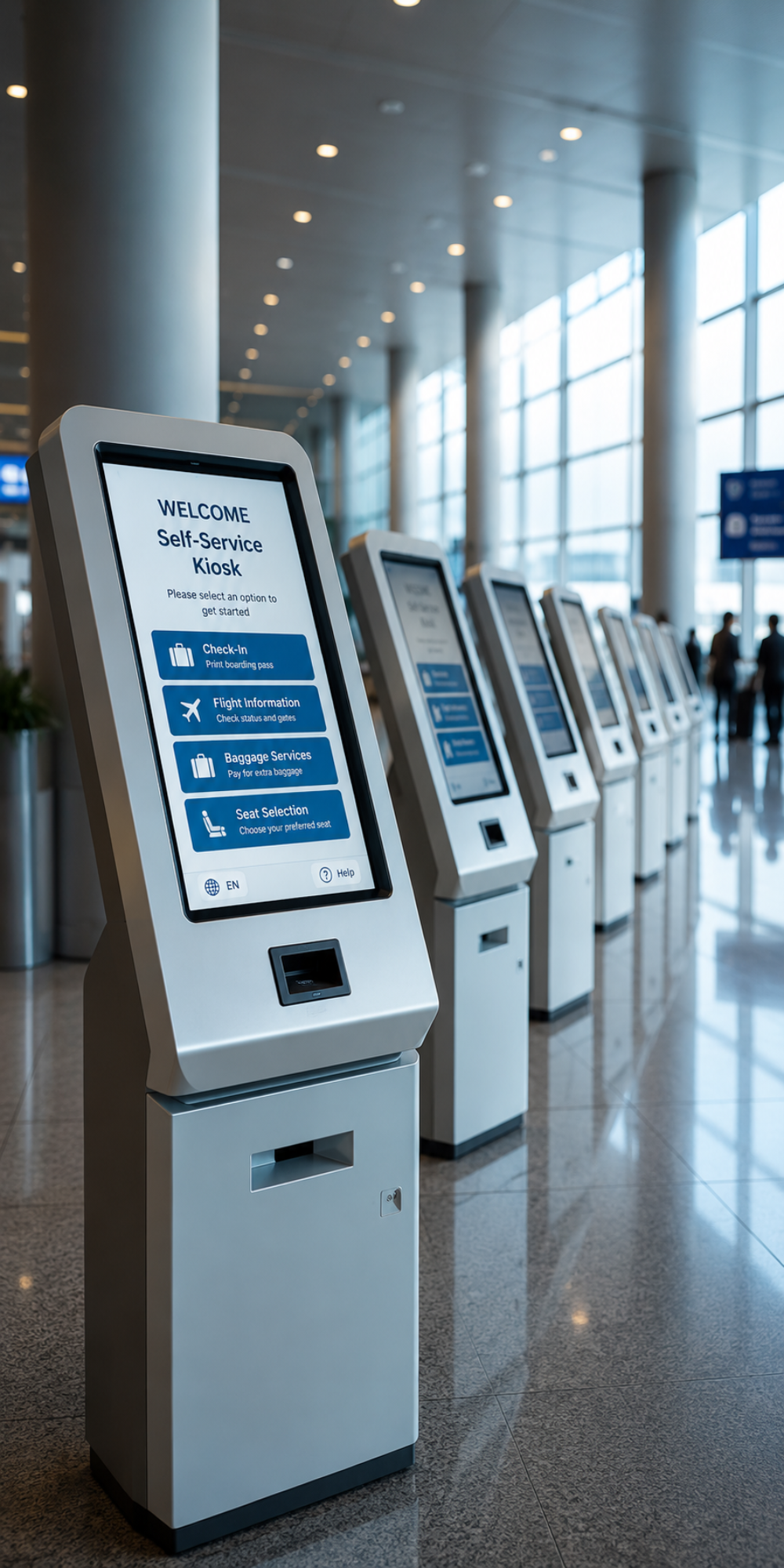
Interactive kiosks are becoming common in malls, airports, and retail spaces.

Common Use Cases

  • Mall navigation
  • Airport check-in
  • Product discovery
  • Ticket booking
  • Customer feedback

With AI, these systems can:

  • Recommend products
  • Change language automatically
  • Offer location-based deals
  • Trigger real-time promotions.

Pro Tip: Interactive screens increase engagement time significantly.

The Future: What’s Next for Smart Screens?

We are already seeing the next wave of innovation:

  • Generative Creatives: AI that designs its own layouts based on what is trending on social media that hour.
  • Voice & Gesture: Interactive kiosks that allow users to ask for directions or browse products hands-free.
  • IoT Integration: Screens that dim or brighten based on city power grids or change content based on traffic congestion levels.

The Bottom Line

Your billboard is no longer a static piece of vinyl—it is a connected, data-driven team member. Success in this new era doesn’t go to the brand with the most screens; it goes to the brand that uses them most intelligently. With Intelisa, you aren’t just buying visibility; you’re buying relevance.

Pro Tip: Use 3D visuals and immersive formats to capture attention and increase recall.

Frequently Asked Questions

AI-powered DOOH uses artificial intelligence to optimize ad content, timing, and placement based on real-time data.

Yes, modern systems follow a privacy-first design and do not store personal identity.

Yes, programmatic DOOH allows businesses of all sizes to run targeted campaigns.

ROI can be measured using QR codes, location tracking, and conversion analysis.

Retail, restaurants, real estate, entertainment, and healthcare all benefit from DOOH advertising.

Intelisa provides a cloud-based digital signage solution with real-time updates, centralized control, and AI-driven optimization.

The Final Word: From Static to Smart

Digital out-of-home advertising is no longer just about visibility. It’s become a smart, data-driven channel where every screen can deliver the right message at the right time.

Artificial intelligence is transforming DOOH into a responsive and measurable medium. Instead of static ads, brands can now run dynamic campaigns that adapt to time, location, and audience behavior.

For businesses of all sizes, this change opens up new opportunities. With Intelisa, managing and optimizing digital signage has become easier, faster, and more effective.

In the coming years, the brands that will win won’t be the ones with the most screens, but the ones that use them most wisely.

Because today, it’s not about being everywhere.

It’s about being relevant when it matters most.
Categories
Digital Signages

Self-Service Kiosks: 13 Ways They Transform Customer Journey

Self-Service Kiosks: 13 Ways They Transform Customer Journey

Self-service kiosks have moved from being nice-to-have gadgets to essential operational tools. By handing control back to the customer, brands are seeing a 20 to 30 percent boost in satisfaction scores and a real lift in transaction value. Whether in a busy QSR, a retail flagship or a corporate lobby, kiosks solve the age-old problem of friction at the point of sale. Here are 13 reasons why they are a win for both the business and the buyer.

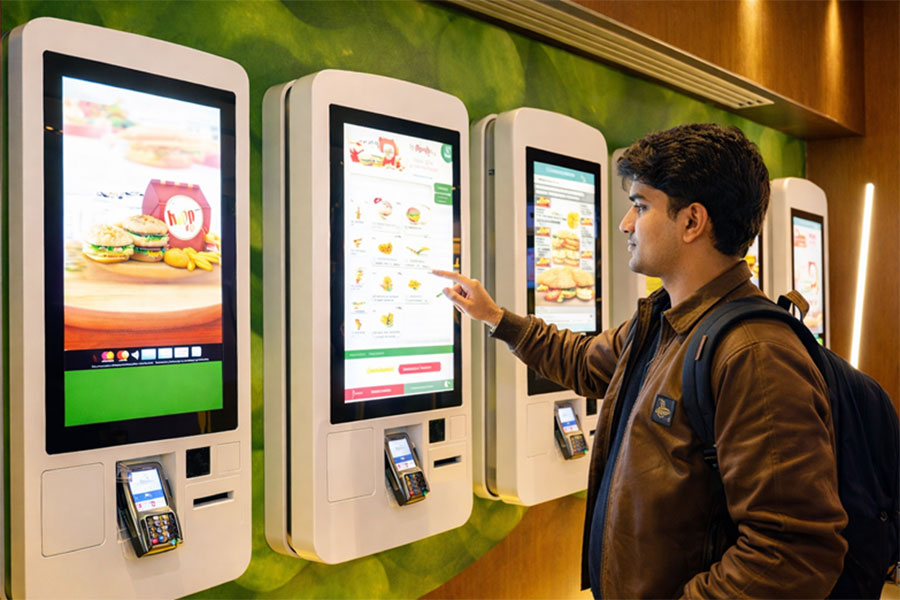
Self-service kiosks used by customers for ordering and checkout

Self-service kiosks give customers speed and control, while easing pressure on your team

Self-Service in 2026: Why the Shift Is Accelerating

Self-service has crossed the line from novelty to expectation, and the numbers show how quickly.

$37.7B Global interactive kiosk market size in 2026
11.1% India self-service kiosk market growth rate to 2030
70% Reduction in wait times reported with kiosk rollouts

India is one of the fastest-moving markets for self-service. Its kiosk market is growing at roughly 11 percent a year and is set to nearly double by 2030, pushed along by QSR expansion, metro and airport growth, smart-city programmes, and the fact that UPI and QR payments have made self-checkout feel completely natural to Indian customers. Add local-language interfaces and a kiosk suddenly serves a far wider audience than a single counter ever could.

"The move to self-service is driven by customers, not just cost. People want speed and control, and a well-designed kiosk gives them both while easing your queues and your staffing pressure." Intelisa Product Team

The Benefits: Speed, Accuracy, and Growth

  • Eliminate the queue: Kiosks let customers bypass the traditional counter. This can slash wait times by up to 70 percent, turning peak-hour chaos into a streamlined flow.
  • High-volume throughput: By deploying multiple units, you serve more patrons at the same time without increasing headcount.
  • Precision ordering: When customers enter their own details, miscommunication disappears. Error rates drop by nearly 80 percent, so the order is right the first time.
  • Hyper-personalization: Integrated with loyalty data, kiosks can greet repeat users and suggest their usual order, making a digital interaction feel surprisingly personal.
  • Autonomy and control: Customers browse menus or catalogues at their own pace, free from the pressure of a queue building behind them.
  • Inclusive design: Multilingual support and adjustable interface heights make your services accessible to a much broader group of people. In India, regional language support is a genuine advantage.
  • Sleek brand perception: Modern, high-resolution touchscreens signal that your brand is forward-thinking and comfortable with technology.
  • Chain-wide consistency: Every branch delivers the same service standard. A single cloud update syncs pricing and promos across every location instantly.
  • The silent upsell: A kiosk never forgets to ask about a meal deal or a matching accessory. These automated prompts typically lift average order value by 10 to 20 percent.
  • Transaction privacy: For sensitive purchases, kiosks offer a discreet checkout that encourages fuller baskets.
  • Always-on service: Kiosks do not take breaks. They enable round-the-clock service in unmanned or late-night zones, capturing revenue that would otherwise be lost.
  • Actionable data: Every tap is a data point. Learn which items get viewed but not bought, then fix your inventory and marketing accordingly.
  • Lower stress levels: A self-paced interaction reduces order anxiety, which means a more relaxed customer who is more likely to come back.

Where Self-Service Kiosks Deliver the Most

The gains above are real, but they are not equal everywhere. These are the settings where Indian businesses see returns fastest.

QSRs and Food Courts

The clearest win. Self-ordering screens cut peak-hour queues, reduce order errors, and lift average spend through prompts staff often forget. See more on digital signage in restaurants.

Retail Stores and Malls

Product browsing, stock checks and self-checkout ease pressure on staff during rush hours. Mall kiosks also handle wayfinding and offers, as covered in our mall signage guide.

Healthcare and Clinics

Patient check-in, token generation and form filling shorten reception queues and cut paperwork, while keeping information private and consistent.

Banks, Utilities and Transit

Bill payments, recharges, ticketing and check-in are ideal kiosk tasks, especially with UPI and QR making the payment step almost instant.

Overcoming Deployment Hurdles

The return on investment is clear, but a successful rollout takes more than plugging a screen in. Here is how to handle the most common challenges.

1

Technical reliability

Do not cut corners on hardware. Use industrial-grade screens and a CMS with remote diagnostics so you can catch problems before they turn into downtime.

2

User adoption

If the interface confuses people, they walk away. Stick to intuitive, large-button designs, and keep a staff member nearby for concierge-style help during the first week.

3

Security and trust

Use end-to-end encryption and secure QR or PIN authentication. For outdoor units, make sure the casing is weather-resistant and tamper-proof.

4

System integration

Legacy software is often the biggest bottleneck. Choose open-API platforms that can talk to your existing POS and inventory systems without a costly custom build.

5

Space and aesthetics

Avoid a clunky look. Use modular mounts, whether wall, counter or floor-standing, that suit your store's flow and design language.

6

Connectivity and uptime

Internet drops are a reality in many Indian locations. Pick a platform that caches content locally so kiosks keep serving customers and sync again once the connection returns.

The CMS Behind Your Kiosk Network

A kiosk is only as good as the software running it. Intelisa gives you the intelligent backbone to manage, update and optimise every kiosk from one dashboard.

  • Push menu, price and promo updates to every location instantly
  • Monitor uptime and diagnose issues without a site visit
  • Works offline so kiosks keep running if the internet drops
  • Runs on any touch screen, standee or kiosk hardware
  • Scales from a single unit to a nationwide fleet
Explore the Platform
Self-service kiosk network managed through Intelisa cloud software

Kiosk vs Traditional Counter: The Short Version

FactorTraditional CounterSelf-Service Kiosk
Peak-hour queuesLong, staff-limitedUp to 70 percent shorter waits
Order accuracyDepends on communicationCustomer confirms their own order
UpsellingInconsistent, often skippedPrompted every single time
Operating hoursStaffed hours onlyCan run round the clock
Updating pricesManual at each outletOne cloud update, all locations
Customer dataAlmost none capturedEvery interaction recorded

Is Your Store Ready for the Kiosk Shift?

The shift toward self-service is no longer optional, it is expected. If you are not offering customers the speed and control of a kiosk, you are probably losing them to a competitor who is.

Take the guesswork out of your deployment. Intelisa provides the intelligent CMS backbone needed to manage, update and optimise your kiosk network from a single dashboard, whether you run one unit or a hundred across the country.

Ready to Roll Out Self-Service Kiosks?

Tell us your use case, from QSR ordering and retail checkout to healthcare check-in and payments. We will recommend the right setup and show you how Intelisa runs it all from one place.

Book a Discovery Session

Frequently Asked Questions

What is a self-service kiosk?

A self-service kiosk is a touchscreen station that lets customers complete a task on their own, such as ordering food, checking out, checking in, paying a bill or finding information, without needing a staff member. It combines a display, a media player or computer, and software that controls what the user can do.

Do self-service kiosks actually increase sales?

Yes, in most deployments. Kiosks prompt every customer with add-ons and combos consistently, which typically lifts average order value by 10 to 20 percent. They also let customers browse without time pressure, which tends to produce larger baskets, and they capture late-night or unmanned-hour revenue that would otherwise be lost.

Will kiosks replace my staff?

Not usually. In practice kiosks absorb repetitive transactions so staff can move to work that needs a human, such as preparing orders, helping confused customers, or handling complex queries. Most businesses redeploy their team rather than reduce it, and keep a staff member near the kiosks during the first weeks of launch.

How much space does a self-service kiosk need?

Less than most people expect. Counter-top and wall-mounted units take almost no floor space, while floor-standing kiosks need roughly the footprint of a person plus queuing room in front. The bigger consideration is placement: kiosks should sit in the natural path of customers, not tucked into a corner.

What happens if the internet goes down?

With a well-chosen platform, nothing dramatic. Content is cached locally on the kiosk, so it keeps displaying and functioning while the connection is down, then syncs automatically once it returns. This matters in India, where connectivity can vary between locations, which is why offline capability should be on your checklist.

Are self-service kiosks secure for payments?

Yes, when set up properly. Use end-to-end encryption, secure QR or PIN authentication, and tamper-proof casing for outdoor units. In India most kiosk payments run through UPI and QR, which keeps card details off the device entirely and makes the transaction both fast and secure.

What software runs a self-service kiosk?

Kiosks run on kiosk or digital signage software that controls the interface, restricts what users can access, supports remote content updates, and reports on uptime. Look for an open-API platform that connects to your POS and inventory. Intelisa provides this as a cloud CMS, managing every kiosk from one dashboard.

I
Intelisa Content Team

The Intelisa team writes about digital signage, kiosks and smart display technology for businesses across India. Questions? Write to us at info@intelisa.in

Categories
Digital Signages

Moving Past the “Screen on a Wall”: Why 2026 is the Year of Proactive Signage

For years, digital signage was essentially a glorified, expensive TV. You made a loop, uploaded it to a CMS, and hoped someone looked at it. But by 2026, that “post and pray” model will have finally died. “We’ve stopped talking at shoppers and started building spaces that actually listen and react to them.”

The shift is simple: Signage is no longer a passive display; it’s an intelligent hub powered by a mix of computer vision, GenAI, and edge computing. It doesn’t just show a video—it senses the room and makes a decision.

proactive-signage

What’s Actually Driving the Change?

AI fundamentally reshapes content creation, delivery, and measurement.

  • The “Right Now” Content (GenAI): We’re moving away from fixed 30-second loops. If a sudden thunderstorm hits a mall, the system shouldn’t be showing sunglasses. It should be generating an umbrella promo or a “stay dry” cafe offer in real-time without a marketing manager having to click a button.
  • Context-Aware Triggers: Computer vision has matured. We aren’t just talking about “detecting a person.” We’re talking about a screen recognizing that a group of teenagers is standing in front of it and swapping a luxury watch ad for a trending sneaker drop instantly.
  • Operational Intelligence: This is the most vital part. It’s about the screen talking to the inventory system. If the kitchen is low on chicken, the Digital Menu Board removes the chicken burger automatically. That isn’t “magic”—it’s basic operational efficiency.

This framework moves us beyond traditional, high-friction touchscreens toward a more natural interface. By integrating voice, gesture, and sentiment analysis, we can now offer a truly multimodal experience that feels intuitive rather than forced.

real-world-impact

Real-World Impact: Beyond the Retail Hype

While retail gets the most attention, the real “proactive” wins are happening in sectors where friction used to be the norm.

  • Transportation & Smart Cities: We’ve all seen “static” wayfinding. The 2026 version is dynamic. If security Line A has a 20-minute wait, the signage reroutes you to Line B in real-time. In cities, screens aren’t just showing ads; they’re monitoring air quality and shifting transit alerts during pollution spikes.
Transportation Smart Cities
  • The “Advisory” Bank Branch: Modern banks are using signage to kill the “sterile” vibe. If sensors detect a customer lingering at the mortgage rate screen, a QR code for a first-time homebuyer’s guide pops up, or a nearby staff member is alerted that someone might need specialized help.
  • Manufacturing & Safety: On a factory floor, these screens are the “nervous system.” They pull data from IoT sensors to predict a machine failure 48 hours before it happens, flashing alerts to the crew before a breakdown halts production.

The Bottom Line: Moving the Needle on ROI

With AI-driven hubs, we’re finally closing the loop. We can now measure “Attention Scores” (how many people actually looked, and for how long) and link those views directly to a timestamped purchase at the register.

The best part? It’s finally privacy-first. By using Edge Processing, the system recognizes a “30-year-old male” in the moment to show the right ad, but it never records his face or stores his ID. It’s smart, it’s targeted, and it’s compliant.

Digital signage in 2026 isn’t just about pixels; it’s about making physical spaces as responsive and data-driven as a website. Digital signage is no longer a “screen on a wall”—it’s the nervous system of intelligent environments, blending worlds for seamless, personalized impact.

Categories
Digital Signages

How Digital Signage Transforms the Shopping Mall Experience

Shopping-Mall-Experience

Shopping malls in India have changed dramatically over the last decade. Earlier, malls were simply places to shop; today, they’re lifestyle destinations where people come to eat, watch movies, meet friends, attend events, and spend lengthy hours. In such an environment, communication within the mall plays a crucial role in shaping the consumer experience and influencing buying decisions.

This is where digital signage has emerged as a powerful tool. From guiding shoppers to stores to promoting offers in real time, digital signage is transforming how mall visitors interact with brands.

Tip: Malls that use digital screens instead of static posters attract more attention because movement naturally draws the human eye.

Understanding the Modern Indian Mall Shopper

The Indian mall shopper today is very different from a decade ago. People now walk into malls with smartphones, short attention spans, and multiple intentions. Some are there to shop, some to eat, some to watch a movie, and many are simply browsing.

Shoppers consume information quickly. They rarely stop to read long messages; instead, they react to visuals, timing, and relevance. This behaviour makes traditional static posters less effective.

Tip: Short, visually strong messages like “Flat 30% Off Today” perform better than long descriptions.

What Is Digital Signage in a Shopping Mall?

Shopping-Mall

Digital signage systems use electronic displays—such as LED screens, video walls, and interactive kiosks—to deliver messages. These displays are connected to software that allows for remote content updates.

In a shopping mall, digital signage systems are used for:

  • Store promotions
  • Wayfinding and directories
  • Food court menus
  • Event announcements
  • Brand advertising
  • Emergency or operational messages


Unlike printed posters, content can be changed instantly without printing or manual replacement.

Tip: Rotating multiple creatives on one screen increases message recall.

Why Digital Signage Works So Well in Indian Shopping Malls

Indian-Shopping-Malls

One major advantage of Indian malls is that people tend to linger. They wait in lines, sit in food courts, stand near escalators, and spend time in common areas. These moments create excellent opportunities for communication. Digital signage captures attention during these natural pauses without interrupting the shopper’s journey.

Tip: Screens near escalators and lifts perform extremely well because people are already looking around.

Improving Wayfinding and Navigation

Navigation

Large malls can be confusing, especially for first-time visitors. Digital directories and wayfinding screens make navigation easy. Touch-enabled screens allow users to find stores or services quickly, providing convenience and reducing frustration.

Tip: Integrating sponsored brand content near navigation areas increases exposure without feeling intrusive.

Streamlined navigation encourages deeper browsing and prevents shoppers from feeling lost.

Increasing Visibility for Retail Stores

Retail-Stores

Not every store in a mall enjoys prime visibility. Digital signage allows retailers to promote new arrivals, seasonal sales, and limited-time offers to shoppers who might otherwise miss their storefront.

Tip: Countdown-based offers like “Sale Ends in 2 Hours” increase urgency and footfall.

Driving Food Court and Restaurant Sales

Restaurant-Sales

Food courts are one of the most effective areas for digital signage. Digital menu boards make menus easier to read and more attractive, allowing restaurants to update prices, combos, and visuals instantly.

Tip: Highlighting high-margin items during peak hours increases the average order value (AOV).

Supporting Mall-Wide Promotions and Events

Festivals, exhibitions, brand launches, and entertainment events are a regular part of Indian mall culture, but relying on static posters to communicate updates can be slow and inefficient.

Digital signage helps mall operators streamline event communication by enabling them to:

  • Promote events instantly
  • Update schedules in real time
  • Maintain consistent messaging across all screens

Tip: Using festival-inspired visuals and regional languages resonates more strongly with Indian audiences.
This approach keeps branding consistent while encouraging higher engagement and event participation.

Centralised Control With Cloud-Based Digital Signage

Cloud Based Digital Signage

It is not practical to manage hundreds of screens manually. From a cloud-based system, mall operators can control content on all screens from a single dashboard. Updates can be made instantly without visiting each location.

Tip: Cloud control is ideal for flash sales and last-minute announcements.

This is especially useful for mall chains operating across multiple cities in India.

How Intelisa Enables Smarter Mall Communication

Intelisa provides smart, AI-driven, cloud-based digital signage solutions designed for scale and ease of use. Intelisa’s platform helps malls:

  • Standardise branding across locations.
  • Schedule content in real time.
  • Adapt messaging based on audience behaviour.

Tip: AI-driven scheduling boosts engagement by delivering the right message to the right audience at the right moment.

Intelisa’s solutions are trusted by rapidly growing companies worldwide and are tailored for industries including retail, restaurants, advertising, corporate offices, healthcare, and manufacturing.

Personalised and Context-Aware Advertising

Context Aware Advertising

One of the greatest strengths of modern digital signage is personalization. AI-powered platforms can tailor content based on factors like time, location, and audience behavior.

For example, morning visitors might see café promotions, while evening audiences are shown dining or movie offers.

Tip: Context-aware advertising feels more useful than intrusive, which helps improve brand perception.

This level of personalization makes content more relevant and drives stronger engagement.

Measuring Engagement and ROI

Unlike static posters, digital signage provides measurable results. Mall managers can track:

  • Screen uptime and content performance.
  • Interaction through QR codes.
  • Campaign effectiveness via data-driven insights.

Tip: QR codes make it easier to measure customer interest while encouraging online interaction.

Data-driven insights enable ongoing campaign optimisation and better performance over time.

Sustainability and Cost Efficiency

Digital signage offers a more sustainable alternative to traditional printed posters by reducing paper waste, ink consumption, and transportation expenses.

For malls aiming to improve sustainability while controlling costs, digital signage becomes a smart long-term investment with strong returns.

Tip: Highlighting eco-friendly initiatives on digital screens can strengthen brand credibility and public

Over time, digital signage proves more cost-effective than frequent printing and replacements.

The Future of Digital Signage in Indian Malls

As malls evolve into smarter, tech-enabled spaces, digital signage will increasingly integrate with mobile apps, loyalty programs, and interactive technologies. Displays will become more intelligent, engaging, and highly personalised.

Malls that adopt advanced digital signage early can build a clear competitive advantage in customer experience and advertising opportunities.

Tip: Early adoption helps create long-term brand recall while boosting confidence among advertisers and partners.

Over time, digital signage proves more cost-effective than frequent printing and replacements.

Key Takeaways

Digital signage has become an essential part of the modern shopping mall experience in India. It improves communication, enhances the customer experience, and creates new revenue opportunities. With a smart platform like Intelisa, malls can turn every screen into a powerful communication and advertising tool.

Frequently Asked Questions

It uses digital displays to show ads, promotions, directions, and announcements throughout the mall.

They increase visibility, enable real-time promotion, and increase footfall.

Yes, it facilitates centralized management across multiple floors and geographic locations.

Intelisa provides AI-driven, scalable, and easy-to-manage digital signage solutions for modern businesses.

Digital signage attracts attention through motion, brightness, and timely content. Shoppers engage more with dynamic visuals than static posters, especially when messages are relevant to their location and time.

LED video walls, stand-alone digital displays, interactive kiosks, and digital directories work best in malls. A cloud-based digital signage system allows easy management across all these formats.

Yes, cloud-based digital signage solutions enable centralised control of content across multiple malls or floors from a single dashboard, making updates fast and consistent.

Digital signage systems scale without problems. Even smaller malls can start with a few screens and expand gradually without changing the core infrastructure.

Digital signage services enable advertisers to run targeted campaigns, update creatives instantly, and measure engagement using QR codes or interaction data.

Yes, modern solutions like Intelisa support multiple languages, including Hindi, English, and regional Indian languages.