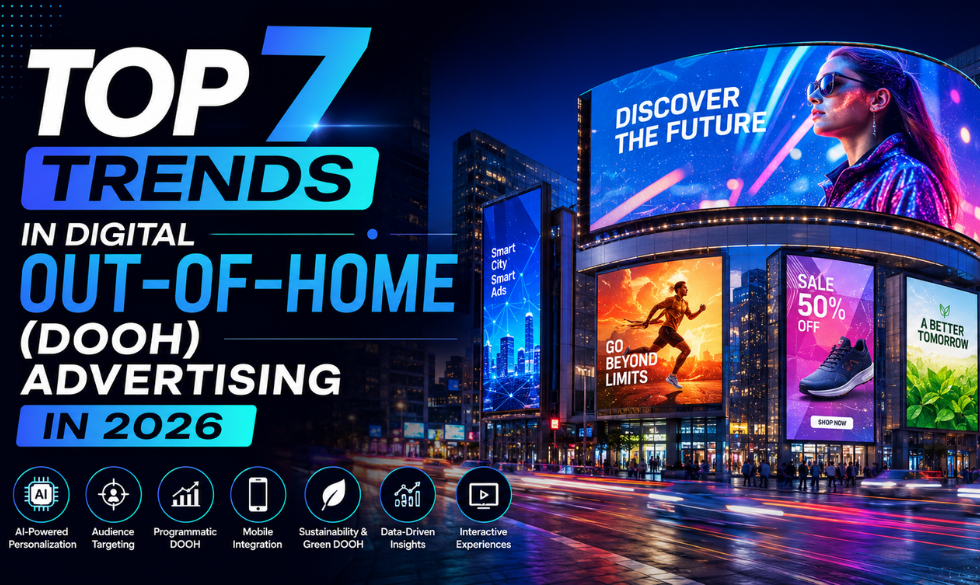
Digital Out-of-Home advertising, or digital OOH, has become one of the most powerful ways for marketers to reach people in the real world. As technology moves forward and consumer behaviour shifts, the DOOH landscape keeps evolving. In 2026, a handful of clear trends are shaping the future of digital signage systems and outdoor advertising.
This article walks through the top digital OOH advertising trends marketers can expect this year, what each one means in practice, and how brands in India and worldwide are already using them to build campaigns that get noticed and get measured.
Digital OOH in 2026: Where the Market Stands
Before the trends, some context on how fast this space is moving.
India's digital OOH advertising market was valued at roughly 2.4 billion US dollars in 2025 and is projected to grow at more than 11 percent a year, reaching over 6 billion dollars in the next decade. The growth is being driven by metro and airport expansion, smart-city projects, more screens in malls and retail, and a rapid rise in small and medium businesses buying outdoor digital space. Industry forecasts also suggest that around 20 percent of DOOH spend in India will be bought programmatically, a big jump from where it stood just two years ago.
DOOH Advertising Trend 1: Programmatic Advertising Dominance
Programmatic advertising changed how ads are bought online, and it is now doing the same for screens in public places. In 2026, programmatic buying has become central to digital OOH. It lets advertisers buy and sell screen time automatically and in real time, which makes planning far simpler and helps brands reach the right audience at the right moment. Using data and audience insights, advertisers can serve personalised, relevant messages instead of one fixed creative for everyone.
The practical benefit for Indian advertisers is flexibility. Instead of locking into a long contract on a single site, a brand can buy screen time by the hour, by location cluster, or by audience condition, then shift budget to whatever is working. For a smaller brand this is the difference between outdoor being out of reach and being a usable channel.
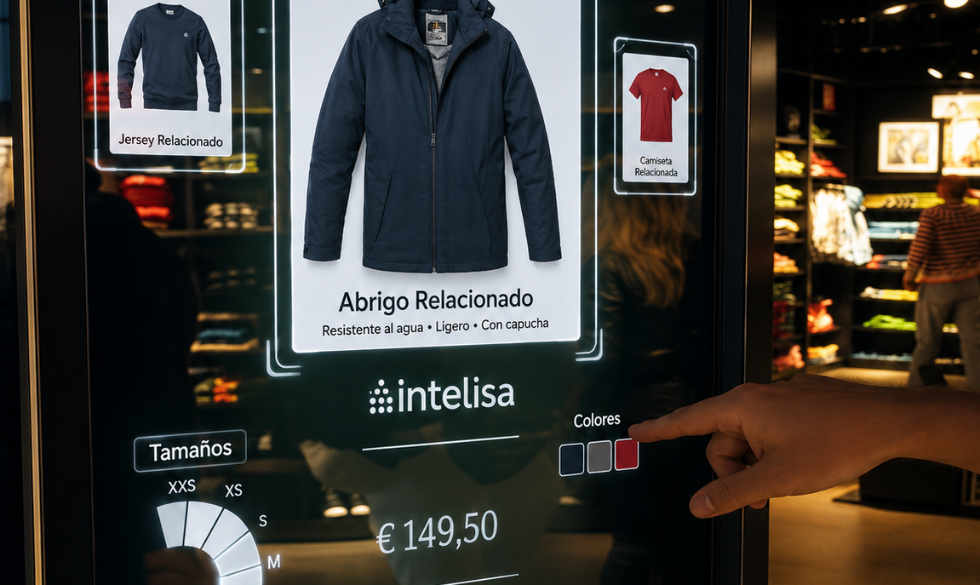
Programmatic buying lets advertisers purchase digital OOH screen time in real time, by location and audience
DOOH Advertising Trend 2: Dynamic Content and Personalization
The days of static billboards are behind us. In 2026, digital signage solutions continue to lean on dynamic content and personalization to hold attention. By plugging into data sources such as weather, time of day, location and audience demographics, advertisers can build highly targeted content that changes on its own.
Take a clothing brand as an example. Using DOOH, the store can show different creatives depending on the weather and time of day. On a rainy afternoon the digital billboard promotes waterproof jackets and rain boots, tempting passers-by to step inside and stay dry. As the sky clears, the content switches to summer dresses and sunglasses, matching the mood outside and appealing to shoppers looking for something lighter.
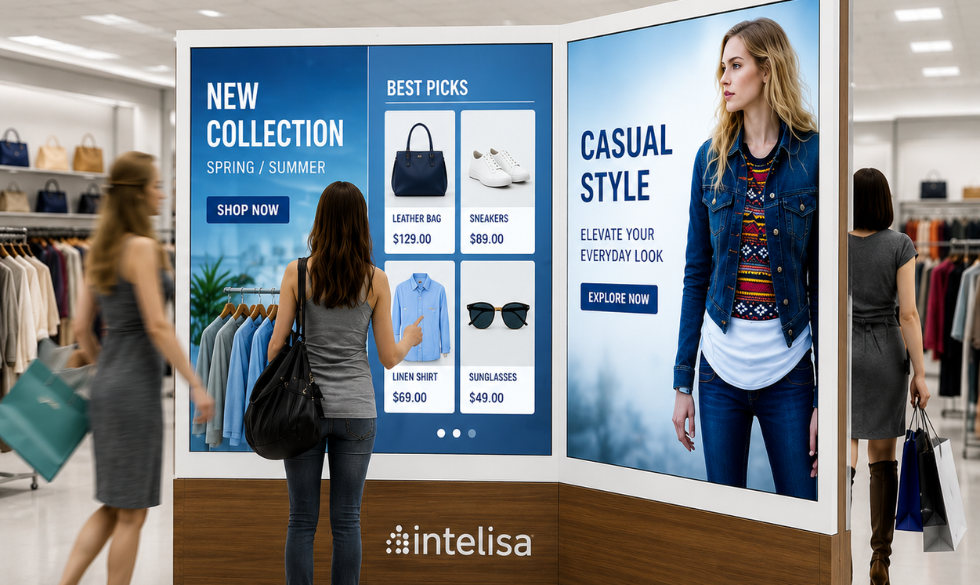
Dynamic creative lets one screen show many versions of a campaign, triggered by weather, time or location
Location and audience data take this further. A billboard in a trendy shopping district can push the latest fashion aimed at the people who actually walk that street. The same brand, on a screen near a university, can promote student discounts or affordable back-to-school outfits instead. This level of personalization does more than grab attention, it makes the brand feel relevant to the person standing in front of the screen.
India has real examples of this already. Food delivery platforms in Bengaluru have run dayparted campaigns promoting breakfast deals in the morning and dinner offers after dark, while an apparel brand in Mumbai ran weather-triggered creatives showing rainwear during monsoon showers. These are ordinary campaigns using ordinary screens, made smarter by data.
DOOH Advertising Trend 3: Interactive and Immersive Experiences
People increasingly want experiences, not just something to look at. Outdoor advertising has responded by adding interactive elements that pull the audience in. Touchscreens, augmented reality and virtual reality are being built into digital screens so users can engage with content and brands in real time.
A cosmetics brand can let people virtually try different shades of lipstick. A clothing retailer can offer an AR mirror for trying on outfits. These moments hold attention far longer than a passive ad, and they hand the brand useful data about what people actually chose. Interactive formats also extend naturally into interactive kiosks placed in malls and transit hubs, where dwell time is high.
A good example is Pedigree's interactive signage, which let users play with and feed a dog on screen, capturing the joy of being a pet parent. Simple idea, memorable execution.
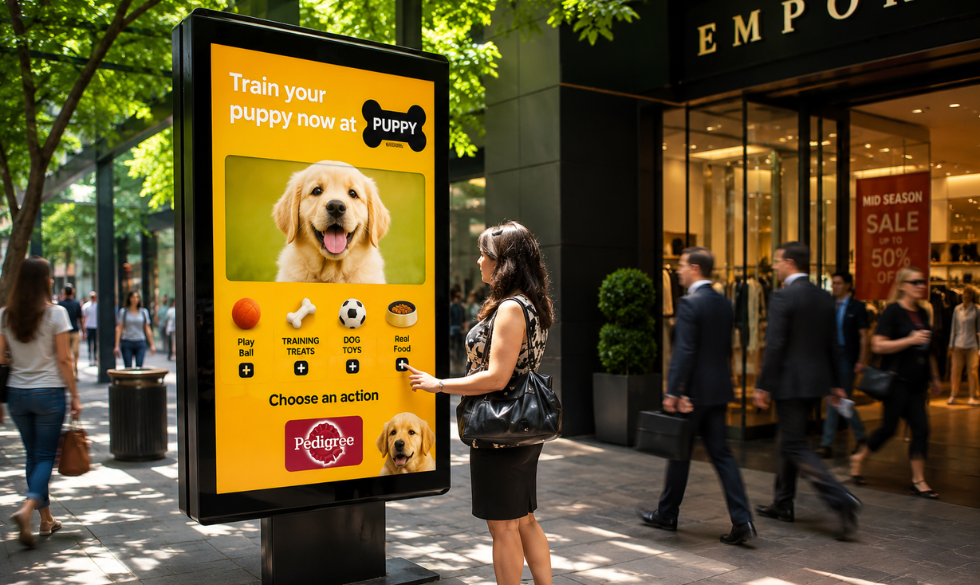
Interactive and AR-driven screens turn passive viewers into active participants
DOOH Advertising Trend 4: Integration with Mobile Devices
Advertisers keep finding new ways to connect screens with smartphones. In 2026, digital signage displays and mobile phones work together more smoothly than ever. Technologies such as QR codes, NFC and beacons bridge the offline and online experience.
Someone can scan a QR code or tap their phone to get more information, unlock a special deal, or open exclusive content tied to the ad they just saw. In India this has become especially powerful because UPI and QR scanning are already second nature, so the step from seeing an ad to acting on it is genuinely one tap. It makes the experience more engaging for the viewer and gives advertisers a way to measure exactly how well a screen performed.
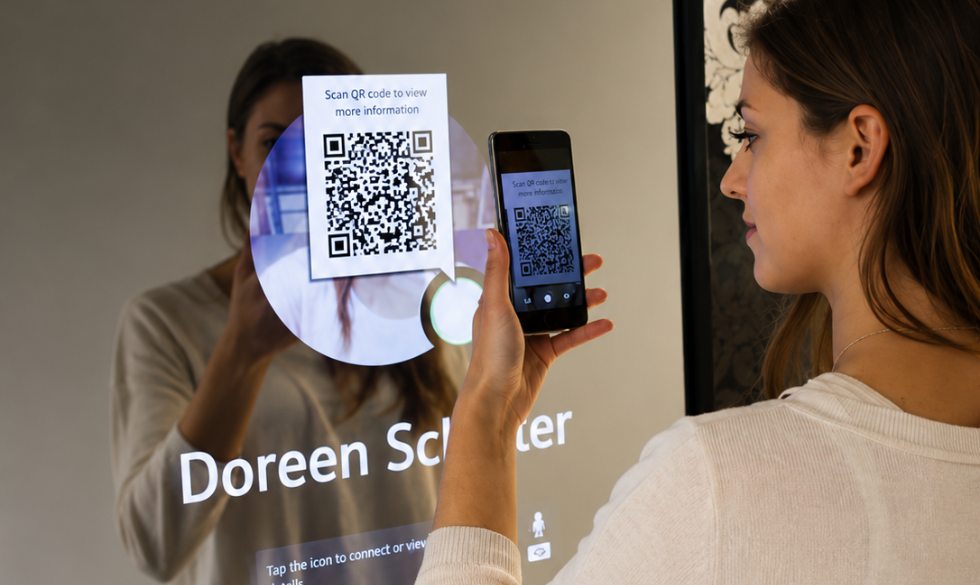
QR codes and NFC turn a glance at a screen into a measurable action on the viewer's phone
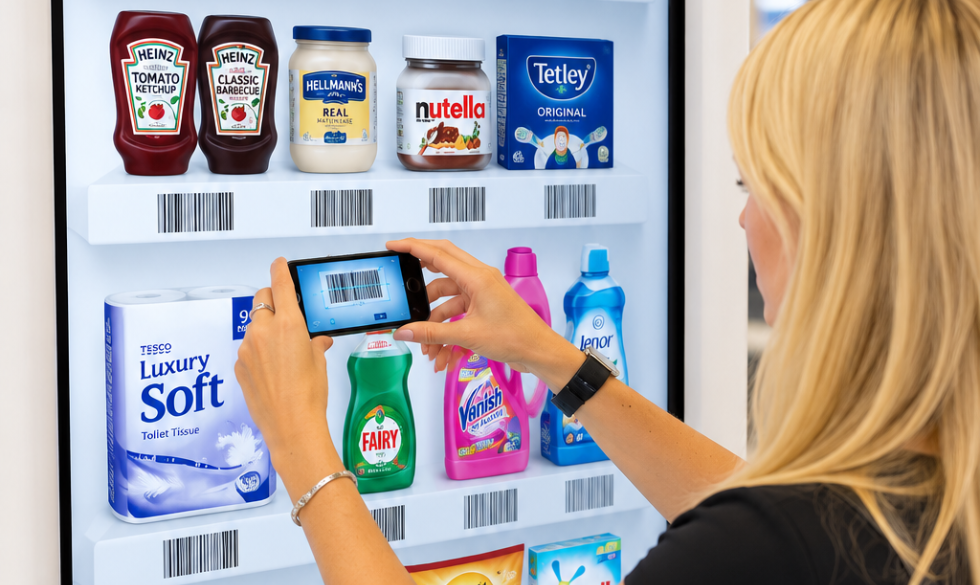
Mobile integration links outdoor exposure directly to offers, sites and app installs
DOOH Advertising Trend 5: Data-Driven Insights and Analytics
One of the biggest advantages of digital OOH advertising is the ability to gather data and actually measure whether a campaign worked. In 2026, better analytics are central to optimizing DOOH campaigns rather than a nice extra.
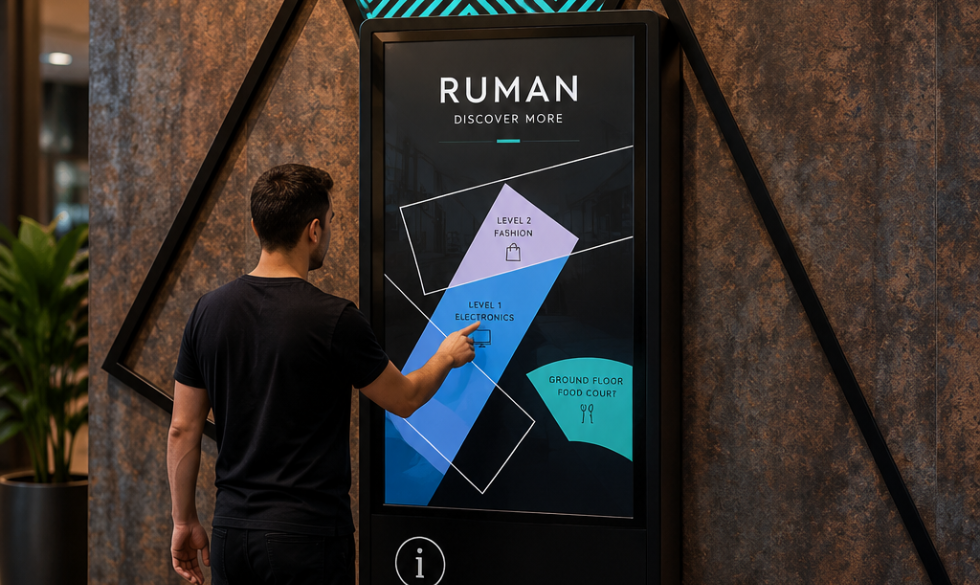
Real-time analytics show which screens, times and creatives are actually driving results
Real-time data on audience profile, engagement and campaign performance helps advertisers refine strategy while a campaign is still running. AI-powered analytics tools surface patterns in consumer behaviour and preferences, which lifts the return on DOOH spend. Footfall tracking and mobile-based measurement are also improving, which matters in India where the lack of a single agreed audience measurement standard has long held the category back. As measurement improves, more budget follows.
DOOH Advertising Trend 6: Sustainability and CSR Initiatives
As environmental concerns move to the centre of business planning, brands are paying closer attention to sustainability and corporate social responsibility. That is reshaping DOOH in 2026 and beyond. Advertisers are adopting eco-friendly practices such as energy-efficient screens, renewable power sources, and recycled materials in the structures that hold them.
There is a practical reason too, not just a reputational one. Modern LED displays draw significantly less power than older screens, and features like automatic brightness adjustment cut consumption further by dimming at night and brightening in daylight. Over a network of screens running every day, that shows up directly on the electricity bill. Brands are also using their screen time for public interest messaging, from safety campaigns to civic information, which builds goodwill alongside commercial content.
DOOH Advertising Trend 7: Rise of Creative Formats
In 2026, digital OOH is seeing a genuine boom in creative formats. Dynamic Creative Optimization enables real-time personalization that matches the mindset of the person passing by. Audio-based DOOH and anamorphic 3D videos are the formats getting the most attention, because they create an experience rather than an impression.
Marketers are adopting these approaches to make campaigns more memorable. With dynamic, 3D and audio elements, DOOH advertising can hold a viewer, lift brand recall, and stretch what is creatively possible outdoors. The bigger shift is that advertisers now build contextually relevant content specifically for the DOOH space, instead of resizing a print or TV creative and hoping it works.
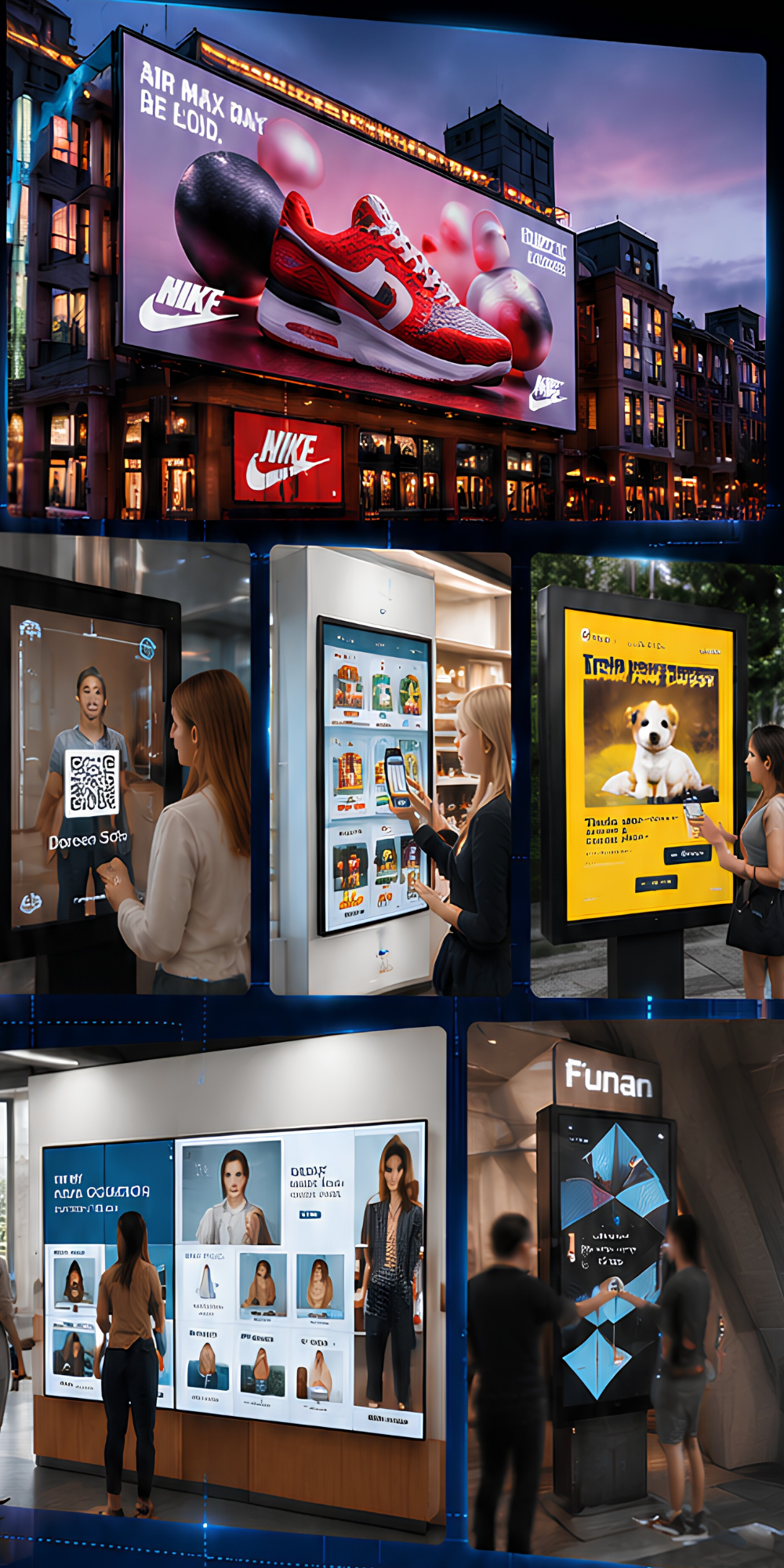
Nike's AirMax 3D billboard in Japan remains a standout example of how far this can go. It combined advanced display technology, careful detail and real creative ambition to bring the shoe to life in a way that stopped people in the street.
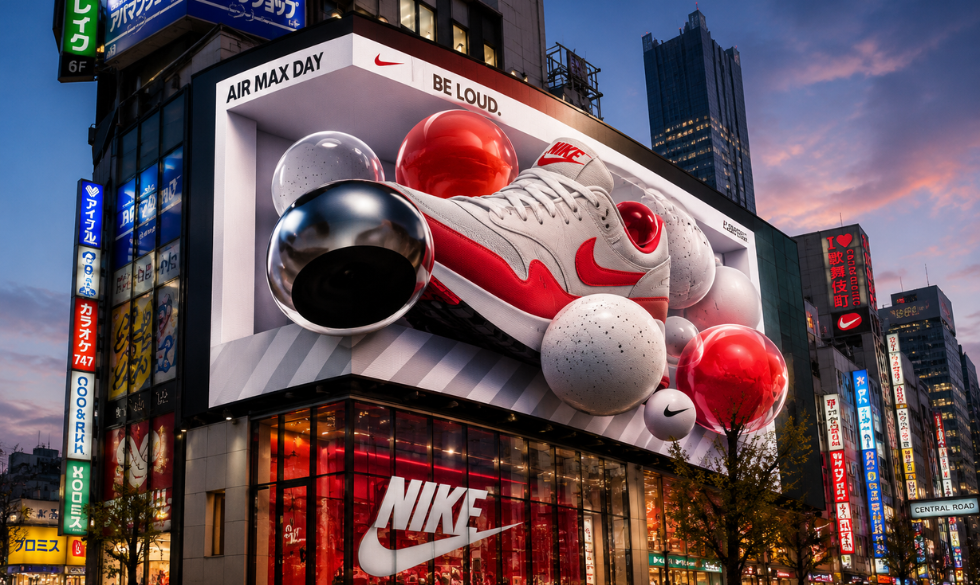
Anamorphic 3D billboards create a sense of depth that makes people stop, film and share
The AirMax shoes appeared to step out of the billboard when viewers engaged. People could use their smartphones to unlock an augmented reality layer, try the shoes on virtually, customise colours and patterns, and see how they looked in their own surroundings. Physical and digital, in one moment.
How These Trends Fit Together
Read individually, these look like seven separate ideas. In practice they stack. Programmatic decides where and when your ad runs, dynamic content decides what it says, interactivity and mobile give the viewer something to do, and analytics tell you whether any of it worked. Creative format is how you make it memorable, and sustainability is how you run it responsibly.
| Trend | What it solves | Best starting point |
|---|---|---|
| Programmatic buying | Rigid, expensive media buying | Buy by hour or audience, test small |
| Dynamic content | One creative for everyone | Weather or daypart triggers |
| Interactive and AR | Passive, forgettable ads | Touch screens in high-dwell spots |
| Mobile integration | No link between screen and action | A single clear QR offer |
| Analytics | No proof of performance | Track scans and screen uptime |
| Sustainability | High power cost and poor optics | Auto-brightness and efficient LED |
| Creative formats | Low recall | One strong 3D or motion execution |
Where Digital OOH Works Best in India
Location decides results. These are the environments delivering the strongest returns for digital OOH advertisers across Indian cities.
Metro and Transit Hubs
High footfall and genuine waiting time, which makes them ideal for QR offers, sequential storytelling and dayparted creative. Transit is among the fastest-growing DOOH formats in India.
Airports
Long dwell time and a premium audience. Best suited to immersive 3D, AR activations and brand-building campaigns aimed at travellers with time on their hands.
Shopping Malls
Shoppers already in a buying mindset. Works well for retail offers, interactive screens, wayfinding and mall-owned advertising inventory.
Roadside and Highways
Only a few seconds of attention, so this favours bold weather-triggered creative and anamorphic 3D that lands instantly.
Run Your DOOH Campaigns With Intelisa
Every trend on this page needs software that can schedule, trigger and update content across many screens in real time. That is exactly what Intelisa is built for.
- Real-time communication so ads go live the moment you need them
- AI-based personalization for contextually relevant content
- Dynamic triggers by time, day, location and live data
- Offline mode keeps screens running with limited connectivity
- Manage one screen or a nationwide network from one dashboard
Stay Ahead of the Curve With Intelisa
In a channel that changes this quickly, staying on top of the trends is what separates a campaign people remember from one they walk past. Businesses across India, Canada, the USA and the Middle East are already putting these ideas to work. To execute them properly you need a reliable digital signage platform behind the screens.
With Intelisa, marketers get real-time communication so ads reach the right audience at the right moment, AI-based personalization for content that actually resonates, and an offline mode that keeps screens running even when connectivity drops. Whether you run a handful of displays or a national video wall network, it is all controlled from one place.
Want to Run Smarter DOOH Campaigns?
Tell us what you are planning and we will show you how Intelisa can power your screens, from a single billboard to a nationwide digital OOH network.
Book a Free Trial TodayFrequently Asked Questions
What is digital OOH advertising?
Digital OOH, or digital out-of-home advertising, is advertising shown on digital screens in public spaces such as billboards, malls, metro stations, airports and roadside displays. Unlike printed hoardings, the content is digital, so it can be updated instantly, rotated between several campaigns, and triggered by data such as weather or time of day.
What is the difference between OOH and DOOH?
OOH covers all out-of-home advertising, including printed billboards, posters and transit ads. DOOH is the digital part of it, where content plays on electronic screens. DOOH adds motion and video, instant updates, multiple messages on one site, data-driven targeting, and measurable performance, none of which static OOH can offer.
What is programmatic DOOH?
Programmatic DOOH is the automated buying and selling of digital out-of-home screen time in real time, similar to how online ads are bought. Advertisers can purchase by hour, location or audience condition instead of booking a site for weeks, which makes outdoor advertising far more flexible and accessible to smaller brands.
How big is the digital OOH market in India?
India's digital OOH advertising market was valued at around 2.4 billion US dollars in 2025 and is projected to grow at more than 11 percent a year over the coming decade. Growth is driven by metro and airport expansion, smart-city projects, more screens in retail and malls, and rising adoption of programmatic buying.
How do you measure the success of a DOOH campaign?
DOOH campaigns can be measured through QR scans and mobile actions, footfall tracking near screens, anonymous audience measurement, screen uptime and play logs, and the website visits or app installs the campaign drives. Combined with social sharing, this makes digital OOH far more measurable than traditional printed outdoor advertising.
Is digital OOH advertising affordable for small businesses?
Yes, increasingly so. Programmatic platforms allow brands to buy screen time by the hour or by audience rather than committing to long contracts, which lowers the entry cost. Small and medium businesses are among the fastest-growing group of DOOH advertisers in India, often starting with short, targeted campaigns in a single locality.
What software do I need to run digital OOH screens?
You need a digital signage platform that can schedule content, pull in live data feeds for dynamic creative, update many screens remotely, and report on uptime. Intelisa is a cloud-based, display-agnostic platform that handles all of this from one dashboard and keeps content playing offline if the internet drops.
The Bottom Line
Digital OOH advertising in 2026 is no longer about renting a big screen and hoping people look. It is about buying smartly, showing the right message at the right moment, giving people something to do, and proving what worked. The brands winning outdoors are the ones treating it as a data-driven channel rather than a decoration.
Want to know more about how Intelisa can help you execute impactful DOOH campaigns? Book a free trial with us today.