Categories
Digital Signages

Beyond the Billboard: How AI is Redefining DOOH

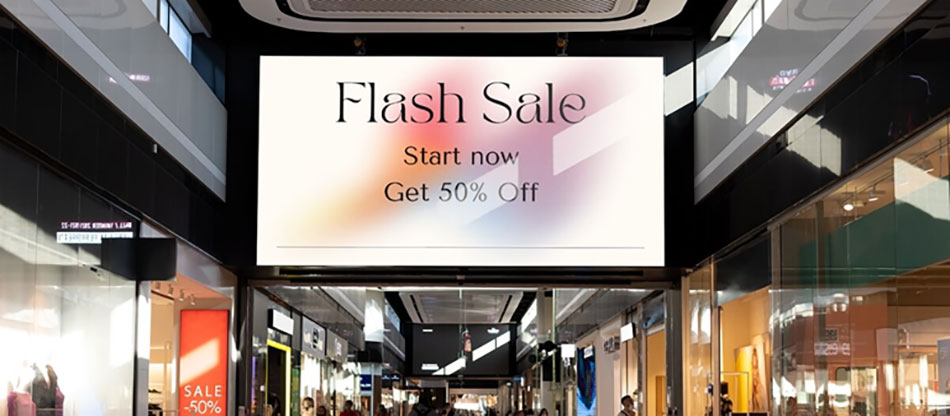
Billboard

The era of “post and pray” is officially over.

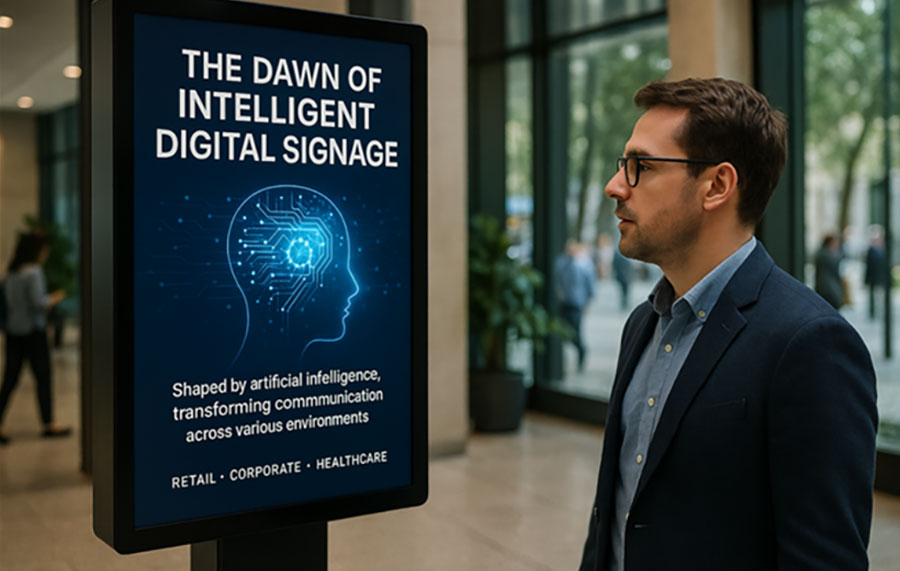
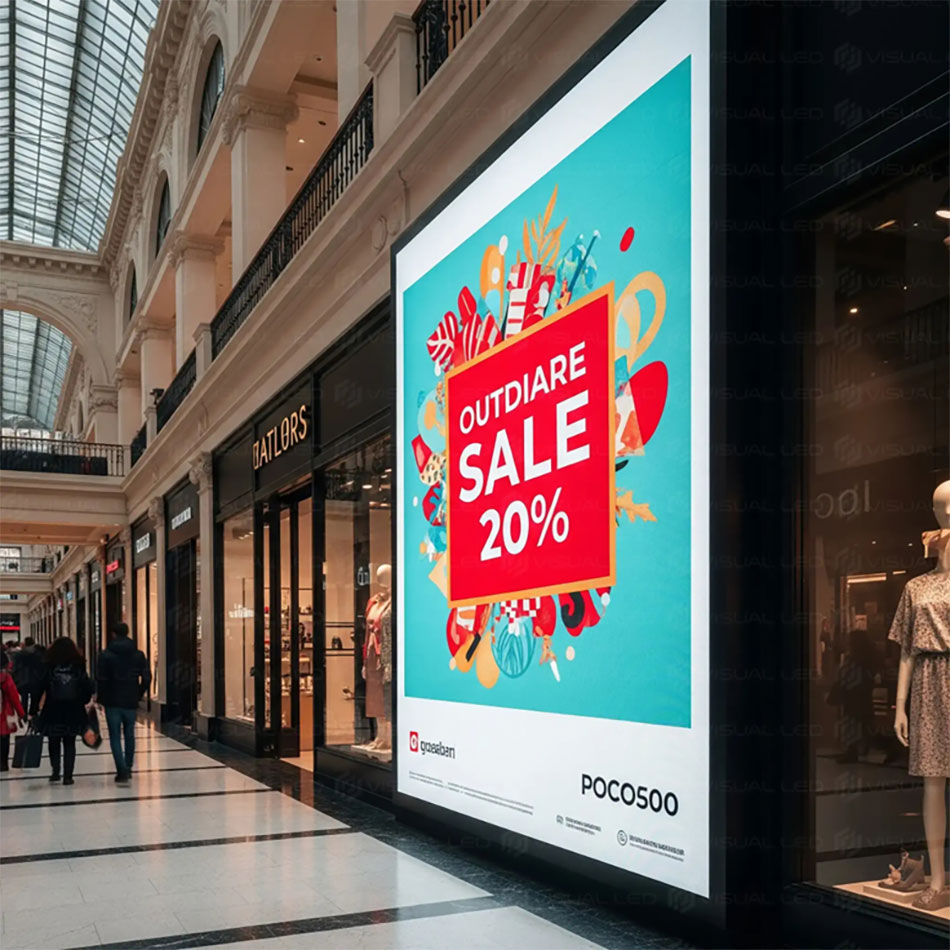
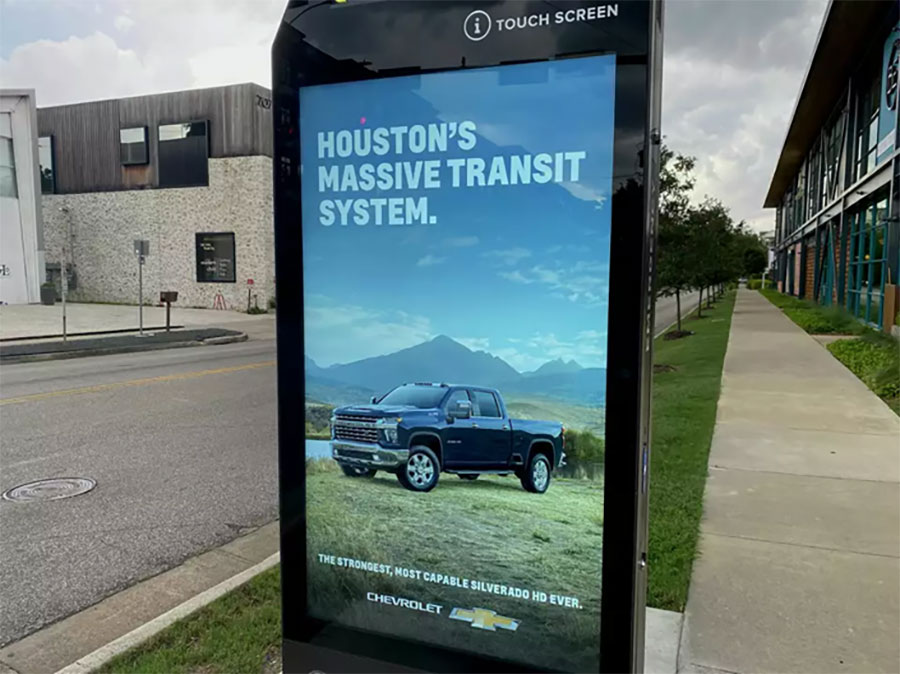
If you walk through the bustling streets of New York, Dubai, or Singapore today, you’ll notice a subtle yet profound shift. The screens surrounding us haven’t just become brighter—they’ve become sentient. Artificial Intelligence isn’t just a buzzword; it is the central nervous system of public advertising.

Digital Out-of-Home (DOOH) has evolved from simple electronic posters into intelligent ecosystems that sense, adapt, and optimize in real-time. Here is how AI is transforming the landscape and how platforms like Intelisa are leading the charge.

The End of Static Ad Loops

For decades, DOOH relied on the “fixed loop”—a 30-second ad playing on repeat regardless of who was watching. AI and edge computing have effectively dismantled this “set-it-and-forget-it” model.

Today’s screens utilize dynamic decision-making to react to real-world triggers:

  • Weather-Responsive: A sudden downpour instantly switches a screen from sunscreen ads to ride-hailing services or hot coffee promotions.
  • Demographic Sensing: As a group of Gen-Z shoppers approaches, the creative shifts to trending streetwear or the latest sneaker drop.
  • Contextual Assembly: Instead of one static video, AI assembles multiple creative elements (headlines, visuals, and offers) on the fly to match the moment.

💡 Pro Tip: Stop designing “an ad.” Build a kit of creative parts. Let the AI determine which combination of visual and headline will convert best in the current environment.

Precision Targeting: Measuring Attention, Not Just Traffic

In a high-velocity urban world, footfall is a vanity metric. What matters is attention. AI-powered sensors now allow brands to move beyond “how many people passed by” to “how many people actually looked.”

Modern systems now measure:

  • Gaze Duration: How long eyes stayed on the screen.
  • Dwell Time: How long a person remained in the vicinity.
  • Engagement Signals: Whether the viewer interacted via mobile or gesture.

This data allows for a Temporal Content Strategy: morning commuters get punchy, direct messaging, while evening crowds with higher dwell times are served immersive storytelling.

Making Smart DOOH Accessible With Intelisa

AI-powered DOOH is no longer limited to large global brands.

Platforms like Intelisa are making cloud-based digital signage solutions accessible to businesses of all sizes.

Instead of manual updates, businesses can now run proactive campaigns that adjust automatically.

Key Capabilities

  • Inventory sync that removes unavailable products automatically
  • Real-time campaign updates across locations
  • QR-based engagement for seamless customer journeys
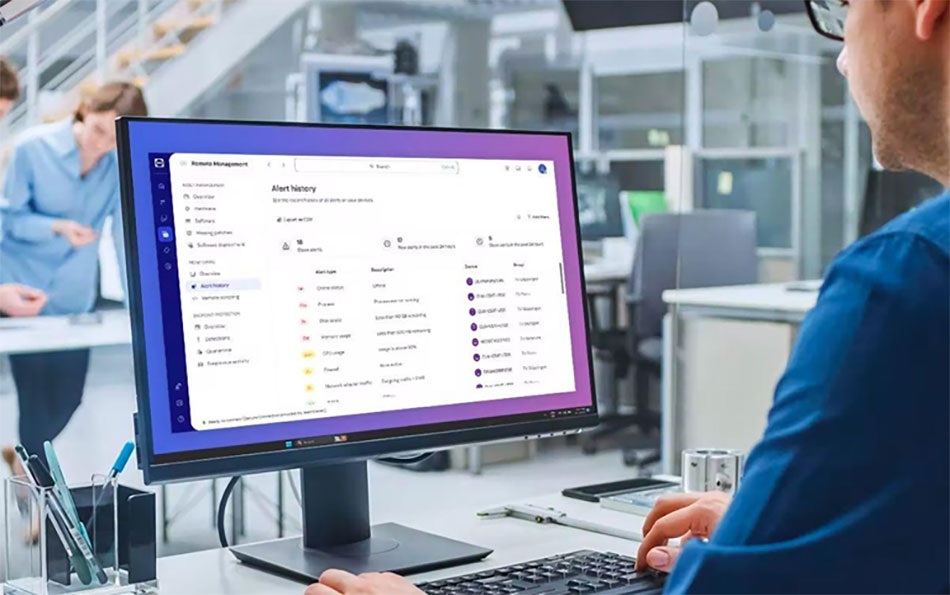
  • Centralized dashboard to manage multiple screens

This turns DOOH into a smart and responsive system.

💡 Intelisa Pro Tip: Use QR codes to connect outdoor ads with online conversions.

Programmatic DOOH: The Digital Precision of Outdoor

The way we buy ad space has changed. Programmatic DOOH (pDOOH) allows brands to bid on “moments” rather than locations.

  • Hyper-Local Targeting: Only show ads on screens within 500 meters of your retail store.
  • High-Intent Moments: A movie studio can bid for higher frequency specifically near cinemas on Friday nights.
  • Budget Agility: Shift your spend instantly based on which locations are performing best.

💡 Pro Tip: Focus on high-intent moments instead of continuous exposure.

Moving Toward Performance-Driven Metrics

Outdoor advertising used to be a “brand awareness” play. By integrating AI with mobile location data and QR interactions, brands can now track:

  1. Screen Exposure vs. Store Visits.
  2. App Downloads triggered by specific displays.
  3. Direct Purchases via scan-to-buy features.

💡 Pro Tip:  Always include a clear call to action to improve tracking.

Why AI-Driven DOOH Is Growing Globally

The growth of AI in DOOH is driven by several global trends.

Urban Expansion

Cities are becoming more crowded, increasing the need for smarter communication.

Smart Infrastructure

Digital screens are now part of transport systems, malls, and public spaces.

Cost Efficiency

Technology has become more affordable for businesses.

Changing Consumer Expectations

People expect personalized and relevant messaging everywhere.

These factors are driving rapid adoption worldwide.

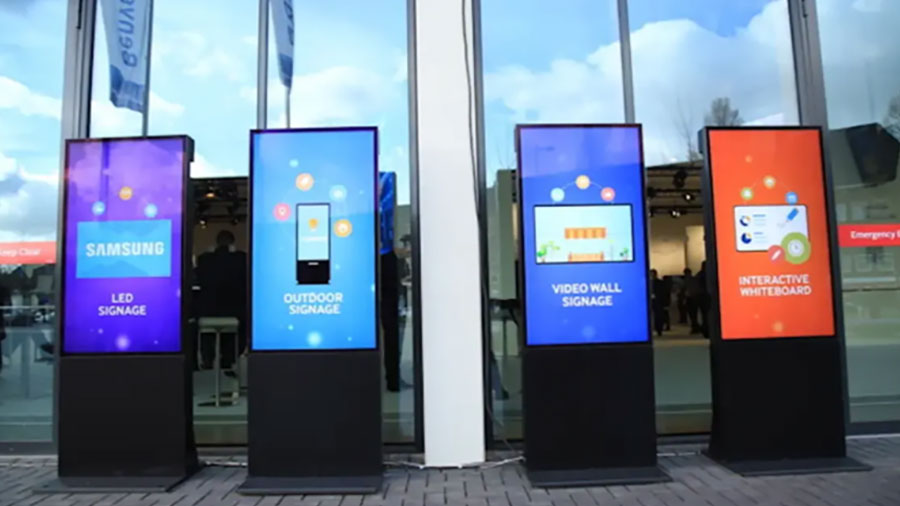
Interactive Screens and Smart Kiosks

DOOH is no longer passive.

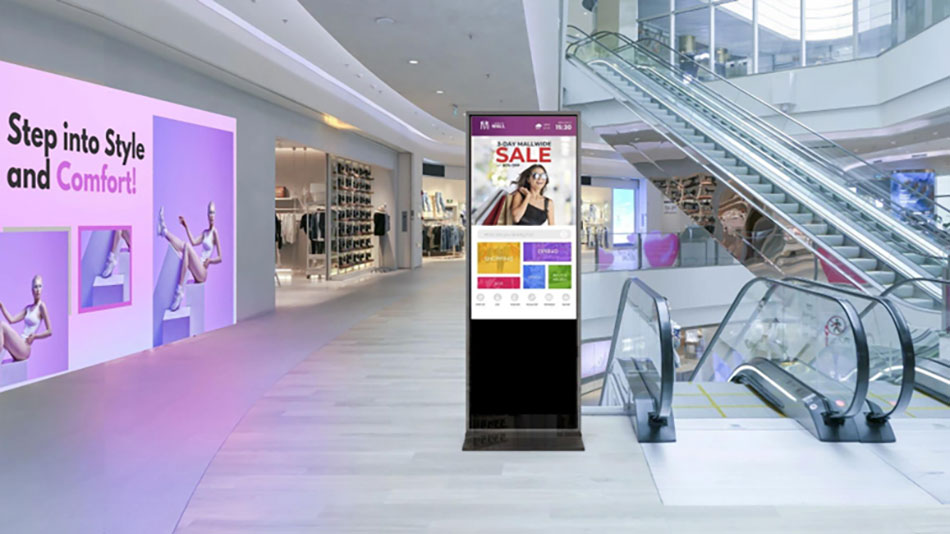
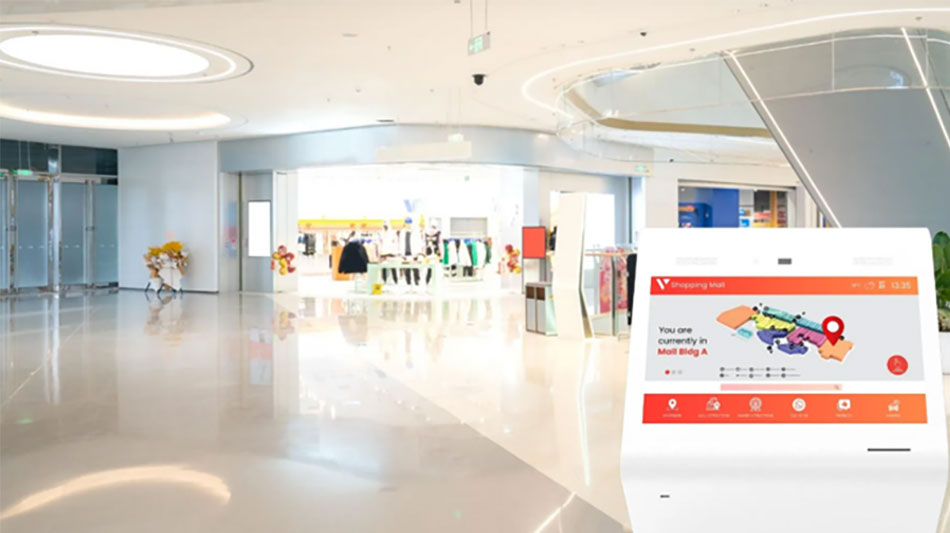
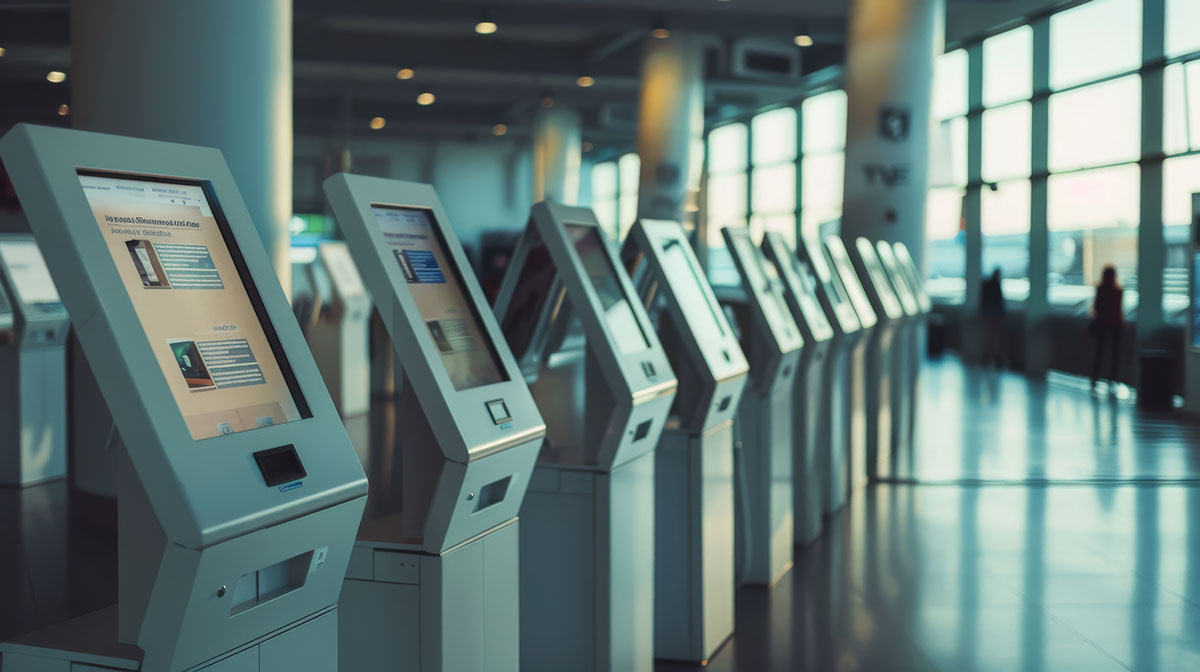
Interactive kiosks are becoming common in malls, airports, and retail spaces.

Common Use Cases

  • Mall navigation
  • Airport check-in
  • Product discovery
  • Ticket booking
  • Customer feedback

With AI, these systems can:

  • Recommend products
  • Change language automatically
  • Offer location-based deals
  • Trigger real-time promotions.

Pro Tip: Interactive screens increase engagement time significantly.

The Future: What’s Next for Smart Screens?

We are already seeing the next wave of innovation:

  • Generative Creatives: AI that designs its own layouts based on what is trending on social media that hour.
  • Voice & Gesture: Interactive kiosks that allow users to ask for directions or browse products hands-free.
  • IoT Integration: Screens that dim or brighten based on city power grids or change content based on traffic congestion levels.

The Bottom Line

Your billboard is no longer a static piece of vinyl—it is a connected, data-driven team member. Success in this new era doesn’t go to the brand with the most screens; it goes to the brand that uses them most intelligently. With Intelisa, you aren’t just buying visibility; you’re buying relevance.

Pro Tip: Use 3D visuals and immersive formats to capture attention and increase recall.

Frequently Asked Questions

AI-powered DOOH uses artificial intelligence to optimize ad content, timing, and placement based on real-time data.

Yes, modern systems follow a privacy-first design and do not store personal identity.

Yes, programmatic DOOH allows businesses of all sizes to run targeted campaigns.

ROI can be measured using QR codes, location tracking, and conversion analysis.

Retail, restaurants, real estate, entertainment, and healthcare all benefit from DOOH advertising.

Intelisa provides a cloud-based digital signage solution with real-time updates, centralized control, and AI-driven optimization.

The Final Word: From Static to Smart

Digital out-of-home advertising is no longer just about visibility. It’s become a smart, data-driven channel where every screen can deliver the right message at the right time.

Artificial intelligence is transforming DOOH into a responsive and measurable medium. Instead of static ads, brands can now run dynamic campaigns that adapt to time, location, and audience behavior.

For businesses of all sizes, this change opens up new opportunities. With Intelisa, managing and optimizing digital signage has become easier, faster, and more effective.

In the coming years, the brands that will win won’t be the ones with the most screens, but the ones that use them most wisely.

Because today, it’s not about being everywhere.

It’s about being relevant when it matters most.
Categories
Digital Signages

13 Ways Self-Service Kiosks are Redefining the Customer Journey

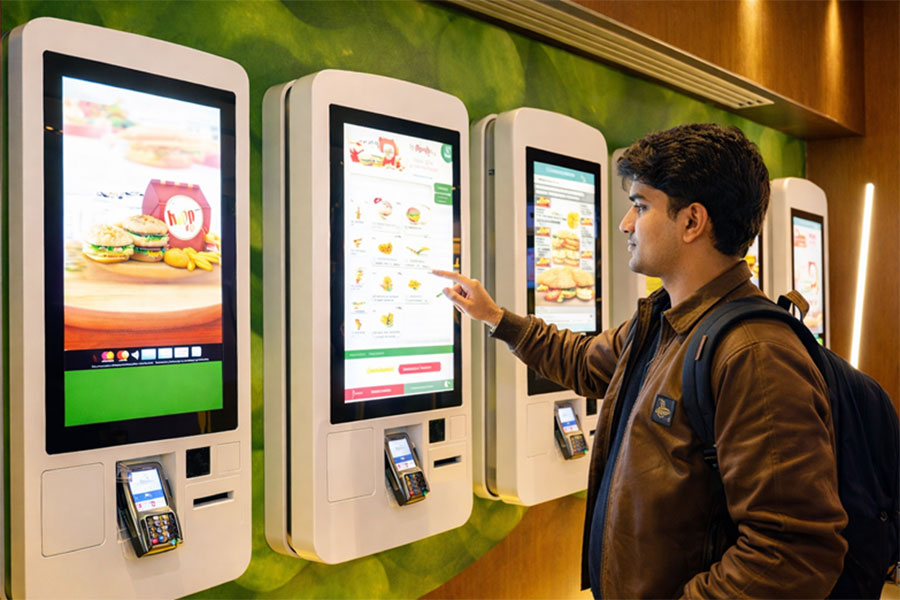
Self-service kiosks have moved from “nice-to-have” gadgets to essential operational tools. By handing control back to the customer, brands are seeing a 20-30% boost in satisfaction scores and a significant lift in transaction value. Whether in a busy QSR, a retail flagship, or a corporate lobby, kiosks solve the age-old problem of friction at the point of sale. Here are 13 reasons why they are a win for both the business and the buyer.

Self-Service Kiosks

The Benefits: Speed, Accuracy, and Growth

  • Eliminate the Queue: Kiosks allow customers to bypass the traditional counter. This can slash wait times by up to 70%, turning peak-hour chaos into a streamlined flow.
  • High-Volume Throughput: By deploying multiple units, you can serve more patrons simultaneously without increasing your headcount.
  • Precision Ordering: When customers enter their own data, miscommunication disappears. Error rates drop by nearly 80%, ensuring the order is right the first time.
  • Hyper-Personalization: Integrated with loyalty data, kiosks can greet repeat users and suggest their “usual” order, making a digital interaction feel surprisingly personal.
  • Autonomy and Control: Customers appreciate the ability to browse menus or catalogs at their own pace, free from the pressure of a waiting line.
  • Inclusive Design: With multilingual support and adjustable UI heights, kiosks make your services accessible to a much broader demographic.
  • Sleek Brand Perception: Modern, high-res touchscreens signal that your brand is forward-thinking and tech-literate.
  • Chain-Wide Consistency: Ensure that every branch delivers the same service standard. A single cloud update can sync pricing and promos across every location instantly.
  • The “Silent” Upsell: Kiosks never forget to ask if a customer wants a meal deal or a complementary accessory. These automated prompts typically lift average order values by 10-20%.
  • Transaction Privacy: For sensitive purchases, kiosks provide a discreet checkout experience that encourages fuller baskets.
  • Always-On Service: Kiosks don’t take breaks. They enable 24/7 service in unmanned or late-night zones, capturing revenue that would otherwise be lost.
  • Actionable Data: Every click is a data point. Learn which items are being viewed but not bought to optimize your inventory and marketing.
  • Lowered Stress Levels: A self-paced interaction reduces “order anxiety,” leading to a more relaxed customer who is more likely to return.

Overcoming Deployment Hurdles

While the ROI is clear, a successful rollout requires more than just “plugging it in.” Here is how to handle the most common challenges:

  • Technical Reliability: Don’t cut corners on hardware. Use industrial-grade screens and a CMS that offers remote diagnostics to fix bugs before they cause downtime.
  • User Adoption: If the UI is confusing, people will walk away. Stick to intuitive, large-button designs and consider having a staff member nearby for “concierge” assistance during the first week of launch.
  • Security & Trust: Use end-to-end encryption and secure QR/PIN authentication. For outdoor units, ensure the casing is weather-resistant and tamper-proof.
  • System Integration: The biggest bottleneck is often legacy software. Work with open-API platforms that can talk to your existing POS and inventory systems without a massive custom build.
  • Space & Aesthetics: Avoid a “clunky” look. Use modular mounts (wall, counter, or floor-standing) that fit your store’s specific flow and design language.

Is Your Store Ready for the Kiosk Shift?

The shift toward self-service is no longer optional—it’s expected. If you aren’t offering your customers the speed and control of a kiosk, you’re likely losing them to someone who is.

Take the guesswork out of your deployment. Intelisa provides the intelligent CMS backbone needed to manage, update, and optimize your kiosk network from a single dashboard.

Book a Discovery Session with Intelisa Today.

Categories
Digital Signages

Moving Past the “Screen on a Wall”: Why 2026 is the Year of Proactive Signage

For years, digital signage was essentially a glorified, expensive TV. You made a loop, uploaded it to a CMS, and hoped someone looked at it. But by 2026, that “post and pray” model will have finally died. “We’ve stopped talking at shoppers and started building spaces that actually listen and react to them.”

The shift is simple: Signage is no longer a passive display; it’s an intelligent hub powered by a mix of computer vision, GenAI, and edge computing. It doesn’t just show a video—it senses the room and makes a decision.

proactive-signage

What’s Actually Driving the Change?

AI fundamentally reshapes content creation, delivery, and measurement.

  • The “Right Now” Content (GenAI): We’re moving away from fixed 30-second loops. If a sudden thunderstorm hits a mall, the system shouldn’t be showing sunglasses. It should be generating an umbrella promo or a “stay dry” cafe offer in real-time without a marketing manager having to click a button.
  • Context-Aware Triggers: Computer vision has matured. We aren’t just talking about “detecting a person.” We’re talking about a screen recognizing that a group of teenagers is standing in front of it and swapping a luxury watch ad for a trending sneaker drop instantly.
  • Operational Intelligence: This is the most vital part. It’s about the screen talking to the inventory system. If the kitchen is low on chicken, the Digital Menu Board removes the chicken burger automatically. That isn’t “magic”—it’s basic operational efficiency.

This framework moves us beyond traditional, high-friction touchscreens toward a more natural interface. By integrating voice, gesture, and sentiment analysis, we can now offer a truly multimodal experience that feels intuitive rather than forced.

real-world-impact

Real-World Impact: Beyond the Retail Hype

While retail gets the most attention, the real “proactive” wins are happening in sectors where friction used to be the norm.

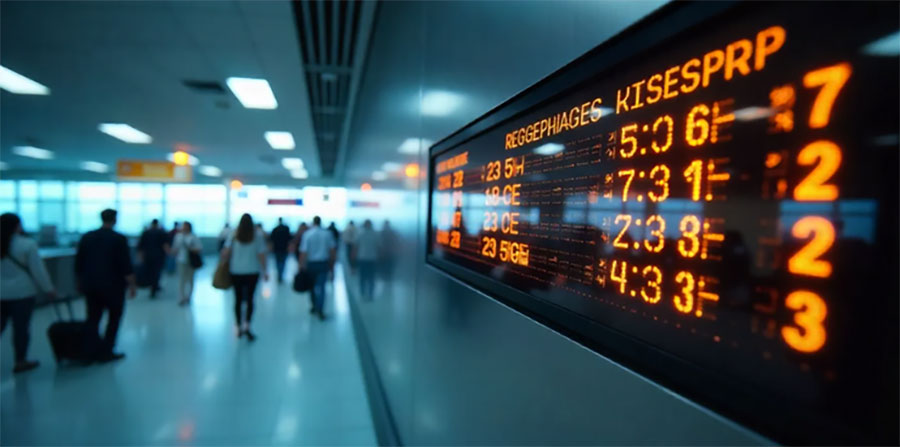
  • Transportation & Smart Cities: We’ve all seen “static” wayfinding. The 2026 version is dynamic. If security Line A has a 20-minute wait, the signage reroutes you to Line B in real-time. In cities, screens aren’t just showing ads; they’re monitoring air quality and shifting transit alerts during pollution spikes.
Transportation Smart Cities
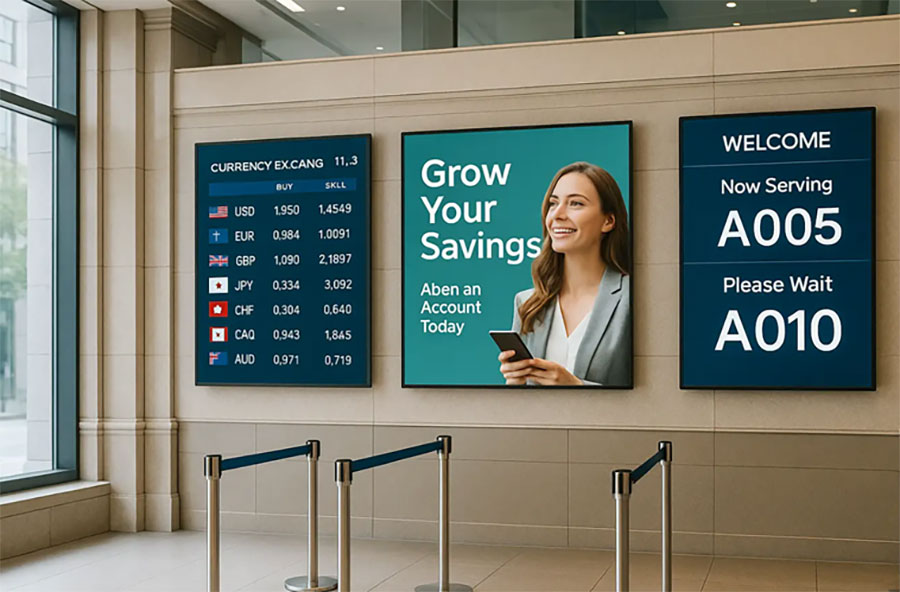
  • The “Advisory” Bank Branch: Modern banks are using signage to kill the “sterile” vibe. If sensors detect a customer lingering at the mortgage rate screen, a QR code for a first-time homebuyer’s guide pops up, or a nearby staff member is alerted that someone might need specialized help.
  • Manufacturing & Safety: On a factory floor, these screens are the “nervous system.” They pull data from IoT sensors to predict a machine failure 48 hours before it happens, flashing alerts to the crew before a breakdown halts production.

The Bottom Line: Moving the Needle on ROI

With AI-driven hubs, we’re finally closing the loop. We can now measure “Attention Scores” (how many people actually looked, and for how long) and link those views directly to a timestamped purchase at the register.

The best part? It’s finally privacy-first. By using Edge Processing, the system recognizes a “30-year-old male” in the moment to show the right ad, but it never records his face or stores his ID. It’s smart, it’s targeted, and it’s compliant.

Digital signage in 2026 isn’t just about pixels; it’s about making physical spaces as responsive and data-driven as a website. Digital signage is no longer a “screen on a wall”—it’s the nervous system of intelligent environments, blending worlds for seamless, personalized impact.

Categories
Digital Signages

How Digital Signage Transforms the Shopping Mall Experience

Shopping-Mall-Experience

Shopping malls in India have changed dramatically over the last decade. Earlier, malls were simply places to shop; today, they’re lifestyle destinations where people come to eat, watch movies, meet friends, attend events, and spend lengthy hours. In such an environment, communication within the mall plays a crucial role in shaping the consumer experience and influencing buying decisions.

This is where digital signage has emerged as a powerful tool. From guiding shoppers to stores to promoting offers in real time, digital signage is transforming how mall visitors interact with brands.

Tip: Malls that use digital screens instead of static posters attract more attention because movement naturally draws the human eye.

Understanding the Modern Indian Mall Shopper

The Indian mall shopper today is very different from a decade ago. People now walk into malls with smartphones, short attention spans, and multiple intentions. Some are there to shop, some to eat, some to watch a movie, and many are simply browsing.

Shoppers consume information quickly. They rarely stop to read long messages; instead, they react to visuals, timing, and relevance. This behaviour makes traditional static posters less effective.

Tip: Short, visually strong messages like “Flat 30% Off Today” perform better than long descriptions.

What Is Digital Signage in a Shopping Mall?

Shopping-Mall

Digital signage systems use electronic displays—such as LED screens, video walls, and interactive kiosks—to deliver messages. These displays are connected to software that allows for remote content updates.

In a shopping mall, digital signage systems are used for:

  • Store promotions
  • Wayfinding and directories
  • Food court menus
  • Event announcements
  • Brand advertising
  • Emergency or operational messages


Unlike printed posters, content can be changed instantly without printing or manual replacement.

Tip: Rotating multiple creatives on one screen increases message recall.

Why Digital Signage Works So Well in Indian Shopping Malls

Indian-Shopping-Malls

One major advantage of Indian malls is that people tend to linger. They wait in lines, sit in food courts, stand near escalators, and spend time in common areas. These moments create excellent opportunities for communication. Digital signage captures attention during these natural pauses without interrupting the shopper’s journey.

Tip: Screens near escalators and lifts perform extremely well because people are already looking around.

Improving Wayfinding and Navigation

Navigation

Large malls can be confusing, especially for first-time visitors. Digital directories and wayfinding screens make navigation easy. Touch-enabled screens allow users to find stores or services quickly, providing convenience and reducing frustration.

Tip: Integrating sponsored brand content near navigation areas increases exposure without feeling intrusive.

Streamlined navigation encourages deeper browsing and prevents shoppers from feeling lost.

Increasing Visibility for Retail Stores

Retail-Stores

Not every store in a mall enjoys prime visibility. Digital signage allows retailers to promote new arrivals, seasonal sales, and limited-time offers to shoppers who might otherwise miss their storefront.

Tip: Countdown-based offers like “Sale Ends in 2 Hours” increase urgency and footfall.

Driving Food Court and Restaurant Sales

Restaurant-Sales

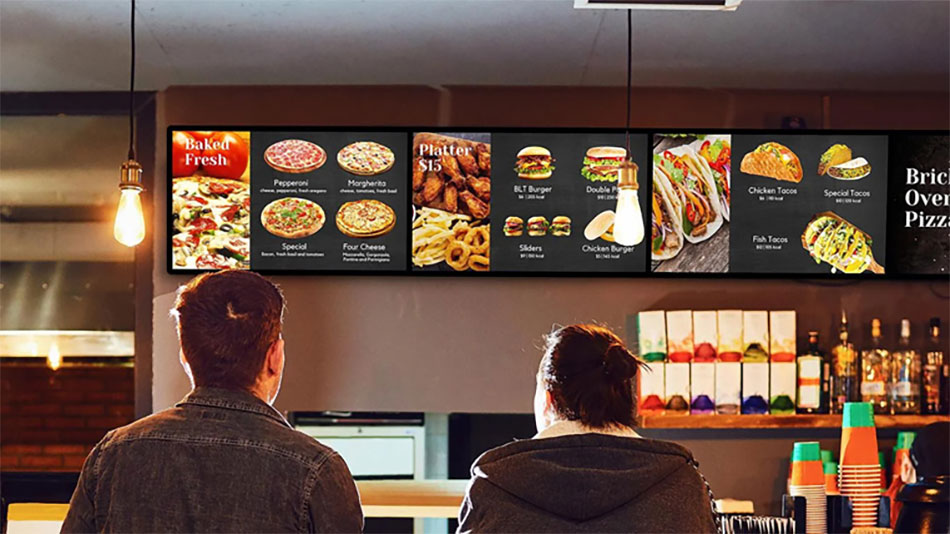
Food courts are one of the most effective areas for digital signage. Digital menu boards make menus easier to read and more attractive, allowing restaurants to update prices, combos, and visuals instantly.

Tip: Highlighting high-margin items during peak hours increases the average order value (AOV).

Supporting Mall-Wide Promotions and Events

Festivals, exhibitions, brand launches, and entertainment events are a regular part of Indian mall culture, but relying on static posters to communicate updates can be slow and inefficient.

Digital signage helps mall operators streamline event communication by enabling them to:

  • Promote events instantly
  • Update schedules in real time
  • Maintain consistent messaging across all screens

Tip: Using festival-inspired visuals and regional languages resonates more strongly with Indian audiences.
This approach keeps branding consistent while encouraging higher engagement and event participation.

Centralised Control With Cloud-Based Digital Signage

Cloud Based Digital Signage

It is not practical to manage hundreds of screens manually. From a cloud-based system, mall operators can control content on all screens from a single dashboard. Updates can be made instantly without visiting each location.

Tip: Cloud control is ideal for flash sales and last-minute announcements.

This is especially useful for mall chains operating across multiple cities in India.

How Intelisa Enables Smarter Mall Communication

Intelisa provides smart, AI-driven, cloud-based digital signage solutions designed for scale and ease of use. Intelisa’s platform helps malls:

  • Standardise branding across locations.
  • Schedule content in real time.
  • Adapt messaging based on audience behaviour.

Tip: AI-driven scheduling boosts engagement by delivering the right message to the right audience at the right moment.

Intelisa’s solutions are trusted by rapidly growing companies worldwide and are tailored for industries including retail, restaurants, advertising, corporate offices, healthcare, and manufacturing.

Personalised and Context-Aware Advertising

Context Aware Advertising

One of the greatest strengths of modern digital signage is personalization. AI-powered platforms can tailor content based on factors like time, location, and audience behavior.

For example, morning visitors might see café promotions, while evening audiences are shown dining or movie offers.

Tip: Context-aware advertising feels more useful than intrusive, which helps improve brand perception.

This level of personalization makes content more relevant and drives stronger engagement.

Measuring Engagement and ROI

Unlike static posters, digital signage provides measurable results. Mall managers can track:

  • Screen uptime and content performance.
  • Interaction through QR codes.
  • Campaign effectiveness via data-driven insights.

Tip: QR codes make it easier to measure customer interest while encouraging online interaction.

Data-driven insights enable ongoing campaign optimisation and better performance over time.

Sustainability and Cost Efficiency

Digital signage offers a more sustainable alternative to traditional printed posters by reducing paper waste, ink consumption, and transportation expenses.

For malls aiming to improve sustainability while controlling costs, digital signage becomes a smart long-term investment with strong returns.

Tip: Highlighting eco-friendly initiatives on digital screens can strengthen brand credibility and public

Over time, digital signage proves more cost-effective than frequent printing and replacements.

The Future of Digital Signage in Indian Malls

As malls evolve into smarter, tech-enabled spaces, digital signage will increasingly integrate with mobile apps, loyalty programs, and interactive technologies. Displays will become more intelligent, engaging, and highly personalised.

Malls that adopt advanced digital signage early can build a clear competitive advantage in customer experience and advertising opportunities.

Tip: Early adoption helps create long-term brand recall while boosting confidence among advertisers and partners.

Over time, digital signage proves more cost-effective than frequent printing and replacements.

Key Takeaways

Digital signage has become an essential part of the modern shopping mall experience in India. It improves communication, enhances the customer experience, and creates new revenue opportunities. With a smart platform like Intelisa, malls can turn every screen into a powerful communication and advertising tool.

Frequently Asked Questions

It uses digital displays to show ads, promotions, directions, and announcements throughout the mall.

They increase visibility, enable real-time promotion, and increase footfall.

Yes, it facilitates centralized management across multiple floors and geographic locations.

Intelisa provides AI-driven, scalable, and easy-to-manage digital signage solutions for modern businesses.

Digital signage attracts attention through motion, brightness, and timely content. Shoppers engage more with dynamic visuals than static posters, especially when messages are relevant to their location and time.

LED video walls, stand-alone digital displays, interactive kiosks, and digital directories work best in malls. A cloud-based digital signage system allows easy management across all these formats.

Yes, cloud-based digital signage solutions enable centralised control of content across multiple malls or floors from a single dashboard, making updates fast and consistent.

Digital signage systems scale without problems. Even smaller malls can start with a few screens and expand gradually without changing the core infrastructure.

Digital signage services enable advertisers to run targeted campaigns, update creatives instantly, and measure engagement using QR codes or interaction data.

Yes, modern solutions like Intelisa support multiple languages, including Hindi, English, and regional Indian languages.

Categories
Digital Signages

Beyond the Billboard: Unexpected Places to Deploy Signage (And Why They Work)

Billboards used to be the king of advertising. You’d drive down a highway, and a huge, flashy ad would grab your attention, simple as that. But today? Not so much. Consumers scroll, swipe, and scroll some more, often catching only fragments of the messages thrown at them.

One massive billboard can’t always compete with a hundred tiny interactions happening throughout someone’s day.

That’s where the era of “micro moments” began. These are the brief, intent-driven windows when people turn to their devices, or even glance around their surroundings, for quick answers, inspiration, or entertainment.

Let’s look at some of the unexpected places to Deploy digital signage using a digital signage software solution and how they work.

Understanding how people browse today

People don’t look at things the way they used to. Here’s what’s changing:

  • Short attention spans: Users skim quickly on apps, websites, and even in physical spaces, so only the most eye-catching messages get noticed
  • Context-driven engagement: People respond to signage that fits their activity or mood, a coffee ad hits differently while in line at a café versus stuck in traffic
  • Cross-device browsing: Audiences jump between mobile, desktop, and in-store experiences, meaning your message needs to connect across multiple touchpoints
  • Implication for signage: Placement matters more than size or frequency, a small, well-timed sign can outperform a huge billboard that misses the moment

Unexpected places for signage

Research suggests that implementing digital signage increased foot traffic in retail stores by up to 24%. That’s not all, as approximately 70% of customers have made impulse purchases after seeing digital signage ads.

You are heavily missing out if you are not making the most of the opportunity you get for digital signage placements. Here are some unexpected places to look out for:

Public transport and transit points

Digital screens on subway platforms, buses, and taxi tops give brands a chance to reach commuters in real time.

For example, JCDecaux’s digital screens in London bus shelters show dynamic ads that change based on weather, time, or events, keeping content relevant and engaging.

JCDecaux’s digital screens in London bus shelters

Here’s another example of how the popular brand Duracell used old buses to show the durability of its battery:

Duracell

Elevators and stairwells

Office buildings, malls, and hotels have small, enclosed spaces that force attention. Just 30 seconds in an elevator or a few flights of stairs is enough for someone to notice your messaging, especially if it’s unexpected or humorous. 

Here’s an example of how Zara, the popular fashion brand advertised its collection in an elevator.

Digital Signage in elevators stairwells

💡What else to show: Apart from your collections and discounts, you can show vertical content with bold visuals or fun mini-quizzes to keep users engaged for the 30-60 seconds they’re inside.

Restrooms and washrooms

Bars, airports, and stadiums might seem unusual, but restrooms are perfect because people are stationary. While washing hands or waiting in a stall, they have time to actually absorb what’s in front of them.

Digital Signage in restrooms

Coffee cups and food packaging

Cafes, delivery apps, and takeout containers offer a unique way to reach audiences in their daily routines. While physical cups can’t display digital signage, cafes are now using small digital screens on counter tops or coffee machines, showing dynamic ads or promotions.

For example, Starbucks Reserve stores use counter-top screens to highlight seasonal drinks and loyalty programs.

Deploy Digital Signage

Fitness and recreational spaces

Digital signage in gyms, yoga studios, or climbing walls can motivate users while promoting products. Nike gyms feature digital boards displaying workout tips and gear recommendations, keeping the content relevant to people’s activity and mindset.

Digital signage in gyms, yoga studios, or climbing walls

Digital overlays in AR apps or mobile navigation

AR apps, shopping apps, and maps are essentially digital signage on mobile. IKEA Place app uses AR to overlay furniture in users homes, giving them interactive, real-world brand experiences.

Digital overlays in AR apps or mobile navigation

Unexpected office and co-working spots

Digital signage in lobbies, meeting rooms, or co-working areas engages a professional audience. WeWork lobbies feature dynamic screens showing company updates, local events, and sponsored brand content, giving repeated exposure to a high-value audience.

Many co-working spaces are adapting signage to enhance the experience.

Digital Signage lobbies

💡Also Read: Sports, Trivia, Entertainment: Use Your Digital Signage Player For More Than Instructions

Psychological principles behind the effectiveness of digital signages

Here’s why digital signage in the above described places is likely to garner attention and engagement:

  • Attention through surprise: People are wired to notice what breaks the routine. A digital sign that’s unexpected, like an animated display in a stairwell or an AR overlay on a map, instantly grabs attention.
  • Contextual relevance: Signage that fits what users are doing or feeling sticks much longer in memory. A workout tip in a gym or a coffee promotion near a cafe resonates because it aligns with the user’s current activity.
  • Repetition in Small Doses: Micro-moments work best when repeated subtly. Seeing a brand in multiple small interactions throughout the day reinforces awareness without feeling intrusive.
  • Interactive or Shareable Elements: Interactive signage encourages users to engage, making the experience memorable and sometimes shareable. Touch screens, AR filters, or social media tie-ins turn passive viewers into active participants.

💡 Pro Tip: Use AI to make your digital signage smarter and adjust content in real time based on audience behavior, time, or location. Personalized messages grab attention, boost engagement, and increase the chance of conversions.

Best practices for placement

Here are some best practices to ensure an effective digital signage placement:

Research user habits and journeys

Before placing digital signage, understand how your audience moves through the space. Are they commuting, waiting in line, or browsing a cafe? Mapping out user journeys helps you identify the points where attention is most likely.

💡Example: Retailers often place screens near checkout lanes because shoppers naturally pause there, giving them a moment to engage.

Prioritize high dwell-time spaces

The longer people stay in one place, the more likely they are to notice and absorb your content. Lobbies, elevators, cafés, and restrooms are all high dwell-time areas that make small digital signs highly effective.

💡Pro Tip: Even a 20-30 second exposure can be enough if the content is relevant and eye-catching.

Align message with the environment and user mood

Signage works best when it resonates with what the user is doing or feeling. A coffee promotion in the morning, a motivational workout tip at the gym, or entertainment content in a waiting area feels natural and engaging.

💡Example: Subway ads that change based on time of day, showing breakfast options in the morning and dinner promotions in the evening perform better because they match context.

Track engagement with QR codes, AR interactions, or social sharing

Digital signage gives you the advantage of measurable engagement. QR codes, AR filters, or prompts to share on social media help track interactions and optimize future campaigns.

💡Pro Tip: Keep calls-to-action simple and intuitive as users are more likely to scan or interact if it’s easy and clearly tied to a benefit.

High-Impact Digital Signage Placement Checklist

Here’s a checklist to keep handy:

1. Know Your Audience

  • Map your audience’s journey: Where do they pause, browse, or wait?
  • Identify high-traffic and high-dwell areas.
  • Understand their activity and mood at each location (commuting, relaxing, shopping, working).

2. Choose the Right Spot

  • Prioritize high dwell-time locations: elevators, lobbies, cafés, restrooms.
  • Use unexpected spots to grab attention: stairwells, coffee counters, co-working spaces.
  • Make sure the placement matches the content—context is key.

3. Optimize Content for Engagement

  • Keep messages short, bold, and visually striking.
  • Include interactive or shareable elements: QR codes, touch screens, AR filters.
  • Rotate or update content frequently to prevent fatigue.

4. Leverage Timing and Context

  • Align content with time of day, weather, or events.
  • Use AI-driven tools to personalize content in real-time.

5. Measure and Refine

  • Track engagement via QR codes, social sharing, or touch interactions.
  • Monitor foot traffic and conversions when possible.
  • Adjust placement or messaging based on performance data.

6. Test and Iterate

  • Start with a pilot location before rolling out widely.
  • Experiment with formats, sizes, and content types.
  • Continuously refine placement strategy based on audience response.

Deploy signages effectively with Intelisa

Digital signage works best when it’s smart, timely, and relevant—and that’s exactly what Intelisa, a digital signage software solution delivers. You can control and update content across screens in real time, from videos to social media feeds, making sure your audience always sees something fresh.

Intelisa also makes it easy to personalize content based on location, context, or audience behavior. That means every micro-moment becomes an opportunity to connect, engage, and even boost sales by 3 to 5 times.

Want to see how it works? Book a free trial today!

Categories
Digital Signages

The IKEA Effect and Digital Signages: Letting Shoppers ‘Build’ Their Own Offers

Why do shoppers get more attached to a product when they’ve helped create it, even in the smallest way? That’s the IKEA effect in action.

Put simply, people value things more when they’ve had a hand in building them. Think of flat-pack furniture, DIY meal kits, even custom sneakers.

The effort makes the end result feel more personal, more “theirs.” But you don’t need to sell DIY products to tap into this bias. With the right tech, retailers can spark the same sense of ownership in-store.

Interactive digital signage is the bridge. Picture a screen that doesn’t just flash offers but lets shoppers build their own. Scan a QR to pick bundles, wave to unlock add-ons, tap through quick polls to shape what’s shown.

That tiny act of participation makes the deal feel like theirs, not just the store’s. And when shoppers feel ownership, they engage more, buy more, and return more.

Let’s see how you can do it.

What Is the IKEA Effect?

The IKEA effect comes straight out of behavioral science. First studied by Michael Norton, Daniel Mochon, and Dan Ariely, it shows that people place a higher value on things they’ve partially created themselves.

Think about it: that wobbly IKEA chair you spent an afternoon assembling, the custom sneakers you designed online, or even a playlist you curated on Spotify. None of these is entirely “from scratch,” but because you put in effort, they feel more meaningful and therefore more valuable.

For retailers, this isn’t just a fun psychology quirk.

It’s a powerful lever. If shoppers feel like they’ve had a hand in shaping a product, offer, or experience, they’re more likely to engage with it, pay more for it, and develop a stronger connection to the brand.

IKEA effect

Why the IKEA Effect Matters in Retail Today

Modern shoppers don’t just want to buy, they want to participate. They crave personalization and control, whether that’s choosing the toppings on a pizza, customizing a sneaker, or tweaking the features on a new phone.

This is where the IKEA effect comes into play. When people feel a sense of emotional ownership, their purchase intent shoots up. They’re not just buying something; they’re buying their version of it. That emotional stake often tips the scale from “maybe later” to “add to cart.”

You can see this reflected in broader consumer trends:

  • DIY culture has exploded, from craft kits to meal subscriptions.
  • Co-creation is becoming mainstream, with brands letting customers vote on flavors, designs, or product drops.
  • Customization is now expected, whether online or in-store.

And the numbers back it up. A Deloitte study showed that consumers spend 37% more with brands that deliver consistent, positive shopping experiences, including personalization.

For retailers, that’s the power of the IKEA effect; turning passive shoppers into active participants and browsers into buyers.

Also Read: Click, Swipe, Buy: The Magic of Personalized Shopping with IoT

Digital Signage as a Medium for Shopper Participation

Digital signage has come a long way. What started as static screens showing the same looping ads has evolved into dynamic, interactive systems that update in real time.

And here’s why signage is uniquely suited to spark shopper participation:

  • Real-time updates mean offers, inventory, and promotions can shift instantly, keeping content fresh and relevant.
  • Visual + interactive format makes it engaging; shoppers can see, touch, scan, or gesture to influence what’s on screen.
  • Integration with sensors, QR codes, or mobile devices turns signage from a passive display into an active two-way channel.

And here’s where it gets exciting: add a layer of AI in digital signage, and the whole game changes. Instead of looping the same ads, the screen can actually think. It can switch up offers based on the crowd in front of it, the time of day, or even what’s trending online.

How Retailers Can Let Shoppers ‘Build’ Their Own Offers

If the IKEA effect is about giving shoppers a sense of ownership, digital signage is the perfect canvas to make it happen. Here are four practical ways retailers can bring this to life:

QR Code-Enabled Personalization

A quick scan, and shoppers unlock choices: discounts, bundles, or add-ons.

Example: McDonald’s in Asia has tested QR-enabled menus where scanning lets you customize meal combos, swap sides, or access time-bound discounts.

QR Code-Enabled Personalization

Sensor-Based Interactivity

Motion, touch, or presence sensors adapt the content on-screen in real time.

Example: Nike’s interactive “House of Innovation” stores in New York and Shanghai use motion-sensitive displays and smart mirrors to recommend products as shoppers move, try, or interact.

Sensor-Based Interactivity

Mobile Prompt Integration

Shoppers connect through apps, beacons, or NFC triggers on their phones.

Example: Sephora uses beacons to push personalized offers to app users when they enter the store, which can sync with in-store screens for a more immersive experience.

IoT digital signage

Gamified Offers

Deals become something to “unlock” through play or participation.

Example: Coca-Cola has run campaigns with interactive vending machines where shoppers play mini-games on a digital screen display to win instant discounts or free products.

Gamified Offers

💡Pro Tip: Don’t overwhelm shoppers with too many choices. Behavioral science shows that three options hit the sweet spot, enough to feel personalized without causing decision fatigue.

Benefits of Applying the IKEA Effect with Digital Signage

  • Higher engagement: When shoppers get to “build” their own offers or customize what they see, they spend more time exploring. That extra time in-store (or even on-screen) creates more opportunities for discovery and purchase.
  • Better sales conversion: The ownership effect kicks in. A discount or product they had a hand in choosing feels more valuable, making them more likely to act on it.
  • Smarter data collection: Every scan, tap, or selection gives retailers a clearer view of shopper preferences. That data isn’t just numbers—it’s insight you can use to fine-tune future campaigns.
  • Stronger brand connection: Participation creates an emotional hook. Shoppers don’t just see your brand; they feel part of it. That sense of belonging translates into loyalty beyond a single visit.

Conclusion

The IKEA effect proves one thing: shoppers place higher value on experiences and products they’ve helped shape. Even small acts of participation create a sense of ownership that fuels a stronger intent to buy.

Digital signage is the ideal canvas to bring this psychology into retail. From QR scans to gamified screens, it transforms shopping from a passive act into an interactive one, where customers don’t just see offers, they help build them.

👉 Ready to see it in action? Book a free trial with Intelisa and explore how interactive digital signage can turn your stores into participation-driven experiences.

FAQs

  1. What is the IKEA effect in retail?
    The IKEA effect is a behavioral science principle that says people value products or experiences more when they’ve had a hand in creating them. In retail, this means shoppers feel more invested in offers or bundles they customize themselves.
  2. How does digital signage use the IKEA effect?
    Digital signage can let shoppers ‘build’ their own offers through interactive screens, QR codes, or mobile integrations. This makes customers feel ownership of the deal, increasing the likelihood of purchase.
  3. What are the benefits of applying the IKEA effect with digital signage?
    Key benefits include higher in-store engagement, improved sales conversions, stronger emotional loyalty, and more valuable customer data from preferences and selections.
  4. Is interactive digital signage expensive for retailers?
    Not necessarily. Modern cloud-based solutions (like Intelisa) make it affordable and scalable. Retailers can start small with QR-based interactivity before moving to advanced sensor-driven or mobile-integrated setups.
  5. How can retailers measure the success of IKEA effect-driven signage?
    Metrics like time spent engaging with the display, redemption rates of personalized offers, and repeat visits are strong indicators. Retailers can also track data on preferences selected by shoppers to refine future campaigns.
Categories
Digital Signages

Beyond the Screen: How Omnichannel Signages Connect Clicks to Bricks

Shoppers these days don’t just browse in-store or online, they do both, often at the same time. They compare prices on their phones while walking the aisles. They scan QR codes on product tags to read reviews. They expect the convenience of digital with the touch-and-feel of physical.

But for many retailers, the experience between online and offline still feels like two different worlds. Disconnected branding. Inconsistent offers. Frustrated customers who fall through the cracks.

That’s where omnichannel signages come in.

By syncing digital displays with real-time data from ecommerce, CRM, and mobile platforms, retailers can create a seamless journey that follows the shopper, not the other way around.

In this guide, we’ll break down:

  • What omnichannel signage is (in plain English)
  • How it differs from traditional in-store and online signage
  • Where retailers often fall short
  • Real-world examples from brands like Nike, Sephora, and IKEA
  • Practical steps to launch your own omnichannel signage strategy
  • And what the future holds (hint: AI, voice, AR)

Let’s dive into how retail signage that talks to every channel isn’t just possible—it’s quickly becoming essential.

What Is Omnichannel Signage and Why It Matters Today

Omnichannel signage is a unified content delivery system that ensures consistent, personalized messaging across both physical stores and digital platforms.

Whether it’s a screen inside a retail store or a banner ad on a customer’s phone, omnichannel signage connects the dots between the two, creating a seamless experience no matter where the shopper interacts with your brand.

Why Bridge the Online and Offline Gap?

Because your customers already are.

Consumers these days don’t think in “channels,” they simply expect convenience. They might browse products on their phone, check availability at the nearest store, walk in to try them, and then still order online to get a better deal or home delivery.

When your in-store and online signage work in silos, this journey feels clunky and disjointed. But when they’re synced? The transition feels natural, and customers stay longer, buy more, and come back.

The Rise of the Hybrid Shopper

If you’re still treating physical and digital as two separate strategies, you’re already behind.

Salesforce study found that 87% of shoppers now begin their product search on digital channels, up from 71% the year before. Yet in the same dataset, the majority of shoppers across all generations, from Gen Z to Boomers, still prefer making purchases in physical stores.

In short: today’s customer is hybrid by default. They fluidly move between online and in-store, and your strategy needs to keep up.

Single-Channel vs. Multichannel vs. Omnichannel Signage

Type of Signage Description Weakness
Single-channel Messaging on only one touchpoint (e.g., in-store only) Zero reach beyond that environment
Multi-channel Presence across several touchpoints, but siloed (e.g., store + website) Messages often inconsistent or duplicated
Omnichannel All signage touchpoints are connected and synchronized Requires data integration but delivers the best experience

Omnichannel signage isn’t just about putting screens everywhere; it’s about using those screens (and banners and popups and QR codes) intelligently, so they talk to each other and reflect where the customer is in their journey.

Also Read: How to Integrate AI with Digital Signages for Smarter Marketing

In-Store Signage vs Online Signage: Key Differences

Digital signage plays a crucial role in influencing decisions, whether it’s a glowing display inside a physical store or a personalized banner on a shopper’s screen. But in-store signage and online signage serve different purposes, with different strengths and limitations.

Let’s break down the key differences:

In-Store Signage

Examples:

  • Digital display screens near product shelves
  • Interactive kiosks
  • Digital menu boards
  • Window displays with motion-triggered content
  • Shelf-edge screens

Strengths:

  • Captures attention at the moment of decision
  • Enhances in-person engagement through visuals and interactivity
  • Can trigger impulse purchases
  • Reinforces brand presence in a tangible space
  • Works even when customers aren’t on their phones

Limitations:

  • Limited to physical foot traffic
  • Content updates can be slower without cloud-based systems
  • Cannot track individual user data without integrations like loyalty apps

Online Signage

Examples:

  • Website banners and pop-ups
  • Exit-intent overlays
  • Personalized homepage carousels
  • In-app notifications
  • Email banners and dynamic ad displays

Strengths:

  • Instantly customizable and trackable
  • Personalization based on browsing or purchase history
  • Enables A/B testing for content effectiveness
  • Scales to thousands of users at once
  • Easy to target specific segments

Limitations:

  • Banner blindness—users often ignore them
  • Can feel intrusive if poorly timed
  • Limited to digital-only interactions
  • Lacks tactile brand immersion

How Both Impact Customer Behavior Differently

  • In-store signage influences spontaneous, sensory-driven decisions. It helps customers discover products they didn’t plan to buy and strengthens brand trust through physical presence.
  • Online signage is more targeted and data-driven, nudging customers based on past behavior, great for upselling, retargeting, and recovering abandoned carts.

But when the two work together, say, a customer sees a promo online and is reminded of it in-store, that’s where omnichannel magic happens.

The Gap Between In-Store and Online Retail Experiences

Despite the rise of hybrid shopping, many retailers still struggle to deliver a truly seamless journey. The gap between in-store and online often shows up in subtle but damaging ways, costing brands both conversions and customer loyalty.

Here’s what that gap looks like in action:

Disconnected Promotions

Ever seen a product on discount online, only to walk into the store and find no trace of that offer?

That’s a classic case of retail omnichannel challenges. When promotions aren’t synced across channels, customers feel misled or frustrated. Worse, they may abandon the purchase altogether.

A seamless promotional strategy ensures the same deal (or a smart variation of it) follows the shopper, no matter where they choose to buy.

Inconsistent Branding and Messaging

Brand tone, colors, and content should remain cohesive whether someone’s viewing a product on their phone or seeing it on a shelf display.

But often, in-store screens feel like a different brand universe compared to online ads. This disconnect dilutes brand identity and weakens trust. Bridging online and offline shopping requires a unified creative direction that spans every channel.

Friction in the Customer Journey

Let’s say a customer discovers a product via a mobile app, walks into your store, but doesn’t know where to find it or whether it’s in stock.

This kind of experience break is common when digital touchpoints aren’t connected to real-time in-store data. Without tools like interactive kiosks, mobile-friendly store maps, or synced inventory signage, customers hit friction. And friction kills conversions.

Missed Opportunities in Cross-Selling

Online, it’s easy to recommend related products using data: “You bought this—try that.”

But in-store? Many retailers still rely on static signs or generic up-sell attempts. Without connected digital signage or smart triggers, they miss the chance to suggest relevant add-ons at the moment of purchase.

Imagine a screen near running shoes that instantly showcases socks and water bottles based on current inventory.

That’s what bridging the online and offline shopping gap looks like in practice.

Real‑World Examples of Omnichannel Signage in Action

These retail leaders show exactly best retail signage practices bring unified brand experiences to life across physical and digital channels:

Nike: App + In‑Store Screen Sync

Nike’s flagship stores integrate the Nike app with in-store digital displays. Shoppers can browse, customize, or wishlist sneakers via the app, then see those choices instantly showcased on nearby screens when they enter the store. This creates a seamless, continuity-driven experience across channels

Nike: App + In‑Store Screen Sync

Sephora: In‑Store Tablets Tied to Customer Accounts

Sephora empowers its “Beauty Insider” loyalty members through in-store signage and tablets synced with customer profiles. Prompts like “Mobilize Your Membership” encourage app downloads, and scanning digital loyalty cards triggers personalized offers at checkout, bridging online activity with in-store experience.

Sephora: In‑Store Tablets Tied to Customer Accounts

IKEA: Scannable Tags & AR-Enhanced Reviews

IKEA leads with interactive tags and an AR-powered catalog. Customers can scan printed tags in-store or catalog pages with the IKEA app to access product videos, online reviews, and even place virtual furniture in their home, melding the best of digital content with the physical shopping journey .

IKEA: Scannable Tags & AR-Enhanced Reviews

How to Implement Omnichannel Signage in Your Retail Strategy

Thinking about bridging your online and offline experiences with signage? Here’s how to turn that vision into action.

Omnichannel signage may sound like a big investment, but when done right, it becomes the heartbeat of a modern retail signage strategy. Whether you’re a big-box chain or a boutique brand, the steps are more accessible than you’d think.

Step 1: Map Your Customer Journey Touchpoints

Before plugging in screens, zoom out.

Identify where and how your customers interact with your brand, both online and offline:

  • Are they discovering you via mobile or desktop?
  • Do they visit physical stores to compare before buying online?
  • What moments in the journey can signage influence—discovery, comparison, decision, or checkout?

This helps you pinpoint high-impact signage opportunities, like a reminder display at checkout or a product education screen near a shelf.

Step 2: Choose Cloud-Based Digital Signage Software

Cloud-based signage tools are essential for real-time syncing across locations and platforms. Look for software that:

  • Lets you update content from a central dashboard
  • Supports multiple screen formats (kiosks, shelf displays, window signage)
  • Integrates easily with your ecommerce and CRM stack

This ensures your digital signage stays in lockstep with online offers, campaigns, and messaging.

Step 3: Integrate with CRM, POS & Ecommerce Platforms

Connected signage only works if it’s… well, connected.

Link your screens to:

  • CRM systems to personalize content based on loyalty or purchase history
  • POS systems to avoid promoting out-of-stock products
  • Ecommerce platforms to reflect live pricing and deals

The result? A fluid customer experience, regardless of channel.

Step 4: Start Small: One Campaign, One Store

Don’t roll everything out at once.

Instead, test one omnichannel signage campaign:

  • Sync a store window display with an online offer
  • Trigger personalized screens for loyalty app users
  • Show dynamic pricing based on current inventory

Start with one store, analyze results, and iterate fast.

Step 5: Track What Matters

The true power of omnichannel signage lies in data. Measure:

  • Dwell time in front of screens
  • Sales uplift during signage campaigns
  • Cross-channel engagement (e.g., app opens triggered by QR codes)

These insights help you optimize your retail signage strategy over time – and prove ROI to stakeholders.

Future Trends: What’s Next for Omnichannel Signage

As technology evolves, so does the way retailers connect with customers. The next wave of omnichannel signage is more than just smarter screens—it’s about making signage almost human in how it understands and responds to behavior.

Here’s what’s on the horizon:

AI-Driven Dynamic Content

Machine learning is turning digital signage from static to strategic. AI can analyze real-time data, like foot traffic patterns, weather, or inventory levels—to show the most relevant content at that exact moment.

Imagine a rainy day triggering promotions for umbrellas on outdoor displays. That’s AI in retail signage doing its thing.

Interactive Displays with AR

Retailers are integrating augmented reality into signage, letting shoppers:

  • Virtually try on makeup or clothes
  • Visualize how furniture looks in their home
  • Explore product specs via immersive storytelling

This boosts engagement and bridges the “I need to see it to believe it” gap.

Omnichannel Signage

Predictive Signage Based on Shopper Behavior

By analyzing past interactions across channels, signage can predict what a customer wants before they ask.

  • A frequent buyer might see “Welcome back, your favorite jeans are 20% off.”
  • A first-timer might see product comparisons or how-tos

This creates moments that feel curated and thoughtful.

Voice-Activated Displays

The rise of voice in retail (think: Alexa, Siri) is making its way to signage. Shoppers will soon talk to displays to:

  • Search for products
  • Ask for help or directions in-store
  • Get spoken reviews or specs on demand

Creating a Seamless Retail Journey with Omnichannel Signage

Here’s a quick recap of what we discussed:

  • Omnichannel signage connects online and offline touchpoints
  • It personalizes messaging with CRM, POS, and ecommerce integrations
  • It offers real-time agility, driving stronger engagement and sales
  • Brands like Nike, Sephora, and IKEA are already doing it—and doing it well

The future? It’s interactive, AI-powered, and totally customer-led

Now’s the time to start building signage that speaks to every channel.

Ready to bring your signage strategy into the future? Let’s talk about tools, integrations, or campaign ideas to get started.

Categories
Digital Signages

IoT on Wheels: How Connected Cars Are Driving the Future

Think of a world where your car communicates seamlessly with traffic lights, alerts your mechanic before a breakdown, and schedules its service appointments. This isn’t a scene from a sci-fi movie, it’s the reality being shaped by the Internet of Things (IoT) and connected car technologies.

And it’s not just a futuristic vision. The global connected car market, valued at $115.8 billion in 2023, is projected to soar to $501.8 billion by 2033. That’s a staggering growth rate of 16.5% per year, reflecting the urgency and scale at which the industry is evolving.

In this article, we’ll delve into how connected cars are utilizing IoT to revolutionize the driving experience and why there’s never been a more exciting time to be part of this automotive shift.

What Are IoT and Connected Cars?

The Internet of Things (IoT) refers to a network of physical devices embedded with sensors, software, and other technologies that connect and exchange data with other devices and systems over the Internet.

At their core, connected cars are vehicles that can communicate both with their surroundings and with you. They’re equipped with internet access, sensors, and software that let them share data with other devices, infrastructure, and the cloud. That means everything from real-time traffic updates to remote diagnostics and over-the-air software updates.

Types of Connected Cars

Not all connected cars are created equal. There are a few main types based on how that connectivity is built in:

  • OEM Embedded: These cars come straight from the manufacturer with built-in connectivity. Think of features like built-in navigation, emergency services, and remote lock/unlock.
  • Tethered: These rely on your smartphone for internet access. The car may have some smart features, but it needs your phone to connect to the outside world.
  • Aftermarket: Even older or previously unconnected cars can still get smart. Aftermarket devices—like dongles or smart displays—can be added to bring connected features to traditional vehicles.

The Tech Under the Hood

What makes all this work? A mix of powerful technologies, including:

  • Sensors: These track everything from tire pressure and engine health to outside temperature and nearby obstacles.
  • GPS: For location tracking, navigation, and geofencing.
  • Telematics: This tech gathers and transmits vehicle data, like speed, fuel efficiency, or engine performance, to external platforms.
  • Connectivity (5G, Edge Computing): Fast, reliable data exchange is key. 5G networks and edge computing make real-time communication possible, whether it’s between cars or with infrastructure like traffic lights and smart cities.

Together, these technologies turn a regular car into a rolling data center—smart, responsive, and always connected.

IoT and Connected Cars

How IoT Powers Connected Cars

The Internet of Things (IoT) serves as the backbone of connected vehicles, enabling real-time communication, intelligent decision-making, and enhanced safety features. Here’s how it all comes together:

Vehicle-to-Everything (V2X) Communication

Connected cars utilize V2X technology to interact with various elements in their environment:

  • Vehicle-to-Vehicle (V2V): Cars share data such as speed, location, and road conditions with nearby vehicles, enhancing situational awareness and reducing collision risks
  • Vehicle-to-Infrastructure (V2I): Vehicles communicate with infrastructure components like traffic lights and road signs to receive updates on traffic conditions, hazards, and optimal routes
  • Vehicle-to-Network (V2N): Cars connect to cellular networks to access cloud services, enabling features like real-time navigation and over-the-air updates.
  • Vehicle-to-Pedestrian (V2P): Vehicles detect and communicate with pedestrians’ devices to enhance safety in urban environments.

The V2X communication market is projected to grow significantly, with the vehicle-to-infrastructure segment alone expected to reach $170.55 billion by 2032.

Real-Time Data Exchange and Cloud Processing

Connected cars generate vast amounts of data from sensors monitoring various parameters. This data is transmitted to the cloud for processing, enabling features like predictive maintenance and personalized user experiences.

For instance, Porsche has developed an AI system that analyzes real-time diagnostic data to predict vehicle faults before they occur, alerting owners via an app and potentially saving significant repair costs.

Role of Edge Computing and Artificial Intelligence (AI)

To reduce latency and enhance responsiveness, connected vehicles leverage edge computing, processing data closer to the source rather than relying solely on centralized cloud servers.

AI algorithms analyze data from various sensors to make real-time decisions, such as adjusting speed, steering, and braking. This is crucial for autonomous driving and advanced driver-assistance systems (ADAS).

Companies like Waymo have utilized these technologies to expand their autonomous ride-hailing services, achieving over 10 million paid rides and planning further expansion into new markets.

Key Features of IoT-Enabled Vehicles

Connected cars aren’t just about getting from point A to B, they’re packed with smart features that make driving easier, safer, and even a little fun. Here’s what makes them stand out:

Predictive Maintenance

Your car can now tell you when something’s about to go wrong before it does. For example, Porsche’s smart system in some models can spot potential problems early and send alerts straight to your phone, saving you from surprise breakdowns and expensive repairs.

Smart Navigation and Traffic Rerouting

No more getting stuck in traffic jams. Connected cars use live data to find the fastest route for you. WirelessCar’s Smart EV Routing even helps electric car drivers find the best charging stations along the way, so you never have to worry about running out of juice.

Voice Assistants and Infotainment

Talking to your car? Yes, please! Many vehicles now come with voice assistants like Alexa that let you control music, make calls, or adjust settings without taking your hands off the wheel.

Driver Behavior Monitoring

Some cars can actually watch out for you. Systems that track things like drowsiness or distraction are already in use, like in some Indian government buses, alerting drivers when they’re getting too tired.

Over-the-Air (OTA) Updates

Remember when updating your phone was a pain? Connected cars get software upgrades wirelessly, so you can get new features and fixes without visiting a service center. Tesla, for instance, regularly rolls out updates that improve your car’s performance while you sleep.

Remote Diagnostics

Your car can now “talk” to the mechanic before you even get there. Ford’s system sends vehicle health info to service centers so they’re ready with the right parts and tools when you arrive, saving you time.

Remote Diagnostics

Benefits of Connected Cars

Connected cars bring a whole new level of convenience and safety to the road. Here’s why they matter:

  • Enhanced Safety: Connected vehicles can warn you about hazards ahead, help avoid collisions through vehicle-to-vehicle communication, and even monitor driver alertness to prevent accidents.
  • Reduced Congestion: By sharing traffic and road condition data in real time, connected cars can help optimize traffic flow and reduce gridlocks, saving time and frustration.
  • Fuel and Energy Efficiency: Smart routing and driving assistance help cut down on unnecessary idling and optimize speed, which means better fuel economy and longer battery life for electric vehicles.
  • Personalized Driving Experiences: Connected cars learn your preferences, from seat position to favorite playlists and adjust settings automatically to make every drive comfortable and enjoyable.
  • Fleet Management Advantages: For businesses, connected vehicles simplify tracking, maintenance, and route optimization, improving efficiency and lowering costs.
IoT in Connected Cars

Challenges and Risks

While connected cars offer exciting benefits, they also bring some challenges that need attention:

  • Data Privacy and Cybersecurity Issues: With so much data flowing between vehicles and networks, protecting user privacy and preventing hacking is a top priority.
  • Standardization Across OEMs: Different car makers use different systems and protocols, which can create compatibility problems and slow down wider adoption.
  • Infrastructure Readiness: For connected cars to work smoothly, we need widespread 5G networks and smart roads, which aren’t fully in place everywhere yet.
  • Regulatory and Ethical Concerns: Rules around liability, data ownership, and the ethics of autonomous decision-making are still evolving and require clear guidelines.

Industry examples

Connected cars are already reshaping mobility through innovation from big automakers, startups, and smart city programs. Here’s how some key players are leading the charge:

Tesla

Tesla’s cars are famous for over-the-air (OTA) updates that continuously improve software and add new features, from enhanced autopilot to infotainment upgrades. They collect real-time data for diagnostics and autonomous driving improvements, making them some of the most connected vehicles on the road.

Tesla

BMW

BMW’s ConnectedDrive system offers real-time traffic updates, remote control via smartphone, and personalized infotainment. The company is also advancing 5G connectivity in its vehicles to support faster data processing and future autonomous features.

BMW

Ford

Ford’s FordPass Connect integrates telematics to enable remote diagnostics, vehicle health alerts, and remote start features. Ford collaborates with tech startups to enhance its connected car ecosystem.

Ford
Startups & Third-Party Solutions
  • Turo: Integrates connected car tech to track usage and vehicle health for peer-to-peer car sharing.
  • Zubie: Offers fleet safety and management solutions through connected vehicle data.
  • Vinli: Provides aftermarket IoT devices for older cars, bringing connected features via OBD-II port.

Pro Tips and Takeaways

Here are some key takeaways for both tech leaders and drivers:

For OEMs and Tech Leaders

Stay focused on building secure, interoperable systems. Prioritize data privacy and collaborate on industry standards to ensure smooth communication across different vehicles and infrastructure.

Keep an eye on emerging technologies like 5G, edge computing, and AI, they’re the backbone of next-gen connected cars. Also, invest in scalable OTA update capabilities to continuously improve vehicles after they hit the road.

For Drivers and Users

Connected cars aren’t just about cool tech, they mean smarter, safer, and more efficient journeys. Pay attention to features like predictive maintenance and driver monitoring that protect you and your vehicle.

Stay updated with software upgrades, and embrace apps that give you better control and insights into your car’s health. The more you engage with these features, the more seamless your driving experience becomes.

Driving into Tomorrow With Connected Cars

IoT is driving a powerful transformation in the automotive world. Connected cars are no longer a distant dream; they’re here, reshaping how we drive, how cities manage traffic, and how we think about mobility. The rapid advances in connectivity, AI, and smart infrastructure mean this is just the beginning.

So, is your car ready for the future? Whether you’re a manufacturer, a tech innovator, or a driver, now’s the time to embrace the connected car revolution, because the road ahead is smarter, safer, and more connected than ever before.

Categories
Digital Signages

Click, Swipe, Buy: The Magic of Personalized Shopping with IoT

Shoppers are done with generic things. They expect brands to know them – what they like, when they want it, and how they shop.

But here’s the pain point: most businesses still treat every customer the same.

IoT changes that. It helps brands turn raw data into real-time, personalized experiences from smart shelves to tailored recommendations.

In this article, we’ll break down how IoT is reshaping customer engagement, with real examples, tips, and ideas you can use.

What is IoT in Retail?

IoT (Internet of Things) in retail refers to everyday devices — think sensors, beacons, smart shelves, and even connected dressing rooms — that collect and exchange data to improve the shopping experience.

But it’s not just about gadgets. It’s about what they do with the data.

They track behavior, monitor inventory in real-time, and even adjust in-store lighting based on foot traffic. The goal? Create personalized experiences that feel seamless to the customer and insightful for the brand.

📌Example: Target uses IoT-enabled inventory systems that update stock levels in real time. This lets them automatically alert staff when shelves need restocking before customers even notice.

Benefits of IoT for Personalized Shopping

The global IoT in retail market size is projected to grow from $57.30 billion in 2024 to  $350.85 billion by 2032, exhibiting a CAGR of 25.4% during the forecast period. While that is a reason enough to invest in it, here are some more benefits that follows:

Hyper-personalized customer experiences

IoT devices collect data from in-store sensors, apps, and wearables to deliver tailored recommendations, offers, and experiences.

This is the need of the hour given the fact that 89% of marketing decision-makers consider personalization essential for their business’s success over the next three years

📌Example: Smart mirrors at Rebecca Minkoff stores let shoppers browse inventory, request sizes, and get style suggestions — all personalized based on their interactions

Better product recommendations

59% of online shoppers believe that personalized stores make finding interesting products easier. That’s where IoT taps into behavior beyond screen clicks — like how long someone lingers at a product or what they pick up and put back. This powers smarter suggestions.

📌Example: Nike’s flagship stores use RFID technology to detect which items shoppers are interacting with, helping recommend similar styles and sizes in real time.

Real-time convenience

IoT removes friction – long lines, out-of-stock signs, and frustrating store layouts – by enabling real-time adjustments.

📌Example: Decathlon uses smart RFID checkout, where you just drop items into a basket — and the system auto-calculates and processes payment.

Smarter inventory and fulfillment

Sensors monitor stock levels and customer demand, reducing waste and increasing on-shelf availability.

📌Example: Walgreens uses IoT to monitor medication stock across locations and send predictive refill alerts to customers.

💡 Pro Tip: Don’t assume all insights are actionable. Pair IoT data with voice-of-customer feedback and user insights to make smarter design or product decisions.

Real-World Examples of IoT in Personalized Shopping

While the concept sounds futuristic, many retail giants and innovators are already using IoT to personalize shopping in powerful ways. Here are some standout examples:

Nike’s Smart Fitting Rooms

In select Nike stores, RFID-tagged items automatically display on a smart mirror when you enter the fitting room. The mirror then recommends matching shoes or accessories and lets you request other sizes without leaving the room.

Why it matters: It creates a seamless, personalized experience that reduces the effort needed from both customers and staff.

Sephora’s Color IQ and IoT Skin Scanners

Using smart devices and AI, Sephora scans a customer’s skin tone to recommend personalized foundation shades. Some locations also use IoT-enabled devices to assess moisture levels and provide skincare suggestions.

Personalized Shopping with IoT

Why it matters: It blends data with beauty, making shoppers feel seen — literally — and catered to in an intimate way.

Walmart’s Smart Inventory System

Walmart uses IoT sensors and robots to monitor inventory, track freshness of food, and automate restocking. This also allows for better personalization on their app and website based on store-level availability.

Walmart’s Smart Inventory System

Why it matters: It ensures customers always get what they need — online and offline — based on local demand and supply.

Did you know? Coca-Cola’s vending machines are smart AF. They collect data on what drinks people buy and when, and can even change prices dynamically based on demand, time of day, or weather.

How to Get Started with IoT for Personalized Shopping

Ready to dip your toes into the world of IoT? Here’s how retailers can begin implementing IoT tech to enhance customer engagement:

1. Start with Data You Already Have

You don’t need to build a smart store overnight. Begin by analyzing existing customer behavior — like browsing history, purchase patterns, and mobile app usage.

Example: An online clothing brand might notice repeat purchases of workout gear in January. Use this insight to push seasonal bundles or IoT-connected wearables that track fitness goals.

2. Invest in IoT-Ready Infrastructure

Upgrade to systems that can support IoT sensors — like smart shelves, digital signage, or connected POS systems. Make sure your data pipelines are secure and scalable.

Pro Tip: Look for modular solutions that can grow with your business. You don’t have to go all-in from day one

3. Leverage Location-Based Tech

IoT shines when paired with location. Use beacons or geofencing to deliver personalized messages when customers walk by your store or enter a specific aisle.

Example: A grocery app can push a discount on oat milk when a user steps into the dairy aisle — because it remembers they buy it every week.

4. Use IoT for Feedback Loops

Connect smart devices to capture post-purchase feedback. Think IoT-enabled kiosks or apps that ask questions immediately after a product is used.

Example: A smart mirror could ask, “Did this size fit you well?” and use the answer to improve future recommendations.

Fun Fact: Smart shelves don’t just track inventory—they can track your eye movement too. Some retailers use smart shelves with embedded cameras and sensors to study how long you look at a product before picking it up. Creepy? Maybe. Useful? Definitely.

5. Integrate with Your Loyalty Programs

Let IoT personalize rewards based on how often, where, or how a user shops.

Example: Smart fridges tracking when you’re low on snacks could prompt personalized deals via a grocery delivery app tied to your loyalty account.

Did you know?  McDonald’s uses IoT sensors in fryers to ensure fries are cooked perfectly. Yes, even your fries are part of the Internet of Things now. McDonald’s has been experimenting with IoT to automate cooking times and maintain quality across locations.

Challenges and Considerations in Implementing IoT

While IoT opens the doors to futuristic retail experiences, jumping in headfirst without preparation can be risky. Here are a few challenges you’ll want to plan for:

Data Privacy & Security

With great personalization comes great responsibility. IoT devices collect huge volumes of data—from browsing habits to movement in stores. Without proper safeguards, this can raise serious privacy concerns.

Pro Tip: Always stay compliant with GDPR, CCPA, or any regional privacy laws. Transparent data practices build customer trust.

In 2023, a major European retailer faced backlash for using smart cameras to track in-store behavior without proper disclosures. A simple disclaimer could’ve prevented it.

Integration with Legacy Systems

IoT works best when it talks to your existing tech stack—inventory management, CRMs, POS systems. But older systems often don’t play well with newer, smarter devices.

High Upfront Costs

Sensors, devices, backend systems, data storage—implementing IoT isn’t cheap. And if you’re not sure where it’ll create ROI, it can feel like a sunk cost.

Fun Fact: Despite high costs, 70% of retail decision-makers globally have already adopted IoT strategies to stay competitive. [Source: Zebra Technologies Retail Vision Study, 2023]

Making Sense of the Data

Collecting data is one thing. Turning it into something actionable? That’s where many brands stumble

Wrapping up

Personalized shopping with IoT isn’t just a trend—it’s a game changer. From tailored offers to smarter shelves, businesses that embrace IoT can deliver experiences customers didn’t even know they wanted.

But getting it right means more than just collecting data. It’s about turning insights into action, protecting user privacy, and choosing the right tech partners.

Looking to make the leap into smart retail? Tools like Intelisa offer plug-and-play digital signage powered by AI and IoT—helping retailers connect with customers at the right moment, in the right place.

Ready to get started with IoT for personalized shopping? Get a Free Trial Today and bring your retail experience to the next level.

Categories
Digital Signages

10 Ways to Use Digital Signages to Elevate Live Events

Ever been to an event where you missed an important session because the schedule was buried in a brochure? Or got lost trying to find a booth because the signage was unclear? Frustrating, right?

Traditional event communication—static signs, paper schedules, and scattered announcements—just doesn’t cut it anymore. Attendees expect real-time updates, sponsors want more visibility, and event organizers need a way to keep everything running smoothly.

That’s where digital signage comes in. When used strategically, it doesn’t just display information—it drives engagement, enhances navigation, and creates an experience people remember. Here’s how to make it work.

1. Choosing the Right Digital Signage Setup

Not all screens are equal. To make an impact, you need the right setup.

LED Walls vs. Digital Standees – LED walls are perfect for high-impact visuals like speaker sessions. Digital standees work well for sponsor promotions and product showcases.

Interactive Kiosks – These provide digital maps, FAQs, and event schedules, enhancing attendee experience. For instance, the Houston downtown convention center installed digital kiosks offering free Wi-Fi and transit schedules, generating significant advertising revenue

LED Walls vs. Digital Standees

Placement is key – Screens near registration booths = great for welcome messages. Near restrooms? Probably not.

💡 Pro Tip: Place high-impact content in high-footfall areas like entrance halls and waiting zones

Interactive Kiosks

2. Engaging Attendees with Interactive Content

People are glued to their phones—so why not use digital signage to bring them into the event experience? A notable example of leveraging interactive digital signage to engage attendees is Cisco Live, an annual conference hosted by Cisco Systems.

At this event, Cisco implemented several strategies:

  1. Live Social Media Feeds: Attendee posts tagged with the event hashtag were showcased on large digital displays throughout the venue, fostering a sense of community and encouraging social media interaction.
  2. Gamification & Contests: Cisco introduced a mobile app that allowed attendees to earn points and badges by participating in sessions, visiting exhibitor booths, and networking with peers. This gamified approach increased engagement and incentivized exploration of the event’s offerings
  3.  Augmented Reality (AR) Experiences: While specific AR implementations at Cisco Live are not detailed in the provided sources, Cisco has been active in integrating AR technologies into their solutions. For instance, Cisco’s Webex Hologram utilizes AR headsets to create immersive 3D holographic meeting experiences, indicating their commitment to incorporating AR into interactive applications.

💡 Pro Tip: Place high-impact content in high-footfall areas like entrance halls and waiting zones

3. Enhancing Event Navigation and Real-Time Updates

Schedules change. Sessions run late. A speaker cancels. Instead of scrambling, use digital signage to:

  • Instantly update session details and room assignments
  • Display emergency alerts when needed
  • Show live reminders for upcoming sessions or workshops
Enhancing Event Navigation and Real-Time Updates

A practical example of utilizing digital signage for enhancing event navigation and providing real-time updates is Canonical’s implementation at their industry events. Canonical, the company behind Ubuntu, employed digital signage to streamline communication and improve attendee experience.

They installed centrally managed displays throughout the venue, which allowed for:

  1. Instant Updates: The team could remotely update session details, room assignments, and schedules, ensuring attendees received the most current information without delays. 
  2. Directional Assistance: During non-exhibit hours, screens displayed directions to talks and workshops, aiding navigation within the venue.
  3. Centralized Control: A global playlist with an override function was programmed to take over all screens during key times, allowing event organizers to direct the audience to major sessions or announcements efficiently.

4. Boost Engagement with Live Social Media Feeds

People love seeing their posts on big screens. Encourage attendees to share their experiences using a branded hashtag, then display their posts in real time. This:

  • Builds a sense of community.
  • Increases your event’s social media reach.
  • Gives sponsors additional visibility when their brand gets tagged.
Boost Engagement with Live Social Media Feeds

💡 Pro Tip: Run a contest for the most creative post to encourage more engagement!

5. Make Sponsor Ads More Impactful

Static banners don’t do sponsors justice. Digital signage has a 47.7% effectiveness for brand awareness, making it a valuable tool for sponsors. It helps by:

  • Rotating multiple sponsor ads for more visibility
  • Displaying engaging video ads instead of static images
  • Featuring QR codes for attendees to claim exclusive deals

6. Gamify the Experience to Keep People Hooked

Want attendees to interact more? Turn your event into a game.

  • Run a QR code scavenger hunt where attendees visit booths to win prizes
  • Display leaderboards for live competitions or giveaways
  • Use digital signage for live polling, letting the audience influence discussions.

Read more: Here’s Why Video Walls and Standees Steal the Show at Live Events

7. Live Stream Sessions to Avoid Overcrowding

Not everyone can fit into the main stage. Instead of turning them away, use digital signage to:

  • Stream key sessions to overflow areas
  • Allow remote attendees within the venue to watch from different locations

Create quiet viewing zones for those who prefer a more relaxed atmosphere

8. Encourage Networking with Smart Digital Directories

A big part of live events is meeting the right people. But how do you know who’s there? Digital signage can help by:

  • Displaying attendee directories with names, job titles, and company logos
  • Highlighting networking sessions and happy hours
  • Suggesting connections based on industries or interests

💡 Pro Tip: Add a QR code that links to attendees’ LinkedIn profiles for instant connections.

9. Create Instagrammable Moments with AR & Photo Booths

User-generated content is free marketing. Give attendees something worth sharing:

  • Augmented reality experiences that overlay fun effects
  • Digital signage-powered photo booths with branded event frames
  • Big screens featuring attendee photos in real-time
reate Instagrammable Moments with AR & Photo Booths

10. Track What’s Working with Real-Time Analytics

How do you know if your digital signage strategy is effective? Simple—track it.

  • Use heat maps to see which screens get the most attention.
  • Track QR code scans to measure sponsor engagement.
  • Get feedback through real-time polls and surveys.

Make Digital Signage Work for You

Digital signage isn’t just about looking high-tech—it’s about creating seamless, engaging, and memorable event experiences. From guiding lost attendees to boosting sponsor ROI, the right digital signage strategy can transform how people interact with your event.

That’s where Intelisa comes in. With its AI-driven, cloud-based digital signage solution, Intelisa makes it easy to manage your event displays in real-time. Whether you need lightning-fast updates, personalized content, or dynamic social media integrations, Intelisa helps you deliver the right message at the right time—effortlessly.

Try it for yourself. Get a free trial of Intelisa and see how easy it is to transform your event signage. Start your free trial today!