Categories
Digital Signages

Digital Signage Evaluation checklist

Digital signage is steadily and surely making its way into businesses across sectors. A real-time digital channel is much required, especially in a place where you have your attention.

Given their intention to ‘buy’, you have the time with your customers to pass on important pieces of communication. It is well known that customer engagement can dramatically uplift sales.

So why not use the golden time with your customer to communicate efficiently and increase engagement, and eventually sales?

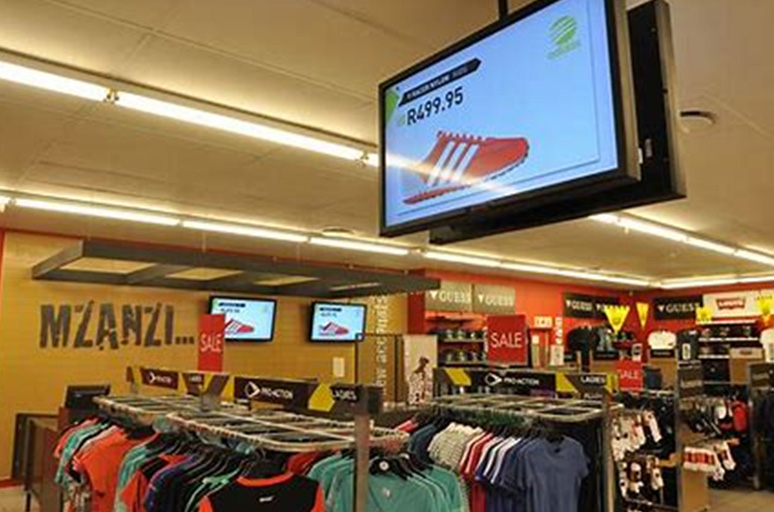
Digital Signage Solutions, therefore, may be key, but requirements and needs across different sectors are not quite the same. Therefore, the solution deployed may differ. For example, a food outlet may not have a change in its menu or dishes as often as a clothing store, which has changing trends and designs.

With different requirements come different solutions, and more importantly, different price points and features.

To optimize your digital signage solution to the best possible configuration, one must keep in mind various parameters before deciding on a direction. For example, once hardware is procured, you are limited by its capabilities, so make sure you think it through and make a choice.

Here are some key points one must think through before making a decision on a digital signage technology for your business.

1) What Will It Be Used For?

Understanding the intended application of the digital signage solution is essential in evaluating the infrastructure you need.

Is it used to show basic offerings, or is it for secondary revenues like advertisements?
Would simple images and videos do, or would you at some point want to integrate with your ERP to show real-time data?

Let’s say you own a fast-food chain, and you want to use digital signage to showcase your menu offerings. In this case, the digital signage solution would be primarily used to display basic offerings such as burger combos, meal deals, and limited-time promotions.

However, if you plan to expand your business to include third-party advertisements, the solution should also support dynamic ad content, allowing you to generate additional revenue by showcasing ads from partner brands.

2) Hardware – Will It Satisfy Your Current Requirements as Well as in the Future?

Charting down current and future requirements for your solution is important, especially with respect to its hardware (device).
This is because your hardware may prove to be a constraint over time. Of course, don’t overthink this, there’s no need to imagine “maybe” scenarios to needlessly purchase an upgraded hardware when there is no foreseeable need.
For longer-term changes, there are innovative ways to work around upgrading.

For example, A signage whose purpose is to share best practices in a corporation may be required at some point to enable live streaming of leadership messages. Hence, this must be accounted for in the hardware. However, there is no need for complex advertising features for this use case.

3) Ease of Use

In our experience, this cannot be emphasized enough. Complex installations, deployments, and needless integrations make a solution difficult to adopt by your own staff, who are to be its users. To start with, focus on the “ease of use” of the product. It should be plug-and-play and easy to understand for users. And in consecutive steps, advanced features can be plugged in.

Consider a retail store where the staff is responsible for managing the digital signage. The solution you choose should have a user-friendly interface that requires minimal training. A plug-and-play system with an intuitive content management platform would enable your staff to easily update and schedule promotions, ensuring smooth operation without the need for extensive technical expertise.

4) Dashboards and Alerts to Monitor

One of the facets of monitoring remotely is to have aggregated data or dashboards that can be centrally viewed by users. For example, if the utilization of the screen or revenue earned for a Digital OOH provider is a key metric, a real-time dashboard of utilization and revenue earned, and its trends will be key to the management.

Such Key Performance Indicators (KPI’s) should be distilled out and easily viewable.

In addition, you may trigger alerts on certain events. For example, in the previous example, if the utilization is too low, one may send out an email or an SMS to the management mentioning that the revenue earned is currently below the minimum threshold.

5) Capability to Integrate – Social Media / ERP

One should always check out the ability of a solution provider to integrate with ERPs and social media. Many times, solution providers use out-of-the-box solutions and don’t have access to customize beyond a certain level, which may restrict the solution’s capability.

Imagine you operate a fashion boutique and want to create engaging campaigns by incorporating user-generated content. With social media integration, customers can be encouraged to post pictures of themselves wearing your brand with a specific hashtag. These posts can then be aggregated and displayed on the digital signage within your store, showcasing real customers and promoting a sense of community and authenticity.

6) Ability to Add Sensors

These are also very important and exciting additions to the core product. The ability to add sensors tremendously increases digital signage use cases. For example, with motion sensors, one can play videos based on which product is viewed or picked up by customers, substantially increasing engagement and sales.

Imagine you’re the administrator of a busy hospital. Incorporating sensors into your digital signage can improve the overall patient experience and streamline hospital operations.

For instance, you can install occupancy sensors in waiting areas to monitor the number of people present. When the occupancy reaches a certain threshold, the digital signage can display messages encouraging patients to move to quieter areas, reducing overcrowding and improving comfort.

7) Pricing

After the technical requirements are satisfied, the next key parameter is, of course, cost and how it can be optimized. One should have a pricing model that works on features used and/or volumes. One can then ‘scale it up’ later to add in more features and optimize costs.

8) Lead Time, Refresher Trainings & Scalability

These three may seem minor, but important points to keep in mind, and can be the last step in your conversations with service providers. You should align on a lead time for the end-to-end installation of the digital signage solution.

In addition, frequency and duration of remote trainings can be enquired about. Many a metimethe operator using the solution change, and so a refresher training for them, as well as for any other personnel, must also be enabled.

Finally, scalability and ease of expanding the solution to different locations, and the mobility of existing installations, must also be gauged. This is generally easy, and then it should not be an issue.

At Intelisa, we are happy to consult you on the optimum configuration you would need for your requirements, so that you don’t need to worry about the tech, and can focus on what you do really well, which is customer engagement and business growth!

Categories
Digital Signages

5 Coolest Digital Signage applications from across the world

by Alok Dukle

Alok Dukle is Co-Founder & CEO of Intelisa with over 10 years of experience in early stage growth ventures, venture investments and Internet of Things (IoT). He has previously worked with the USD 21Bn Mahindra Group, in its Private Equity and Incubation division.

Display communication is one of the oldest forms of communication. In fact, cave paintings, which date back a whopping 40,000 years to the Stone Age (that’s right!), were the first form of display communication.

The resilience of the mighty display communication is given the fact that it is in physical space, which we can presume will be here to stay, perennially.

With the onset of digital display technologies such as LCDs, LEDs, the IoT technology, and more, Digital Signage Solutions has evolved greatly. What was a one-way static medium can now be an engagement-driven two-way digital medium, which opens up a world of possibilities.

Here are some incredibly cool applications that we spotted globally powered by this intelligent technology:

1) Virtual Trials: Redefining the Shopping Experience

Virtual trials have revolutionized the way people shop for clothes, offering a unique and immersive experience through the use of gesture control and virtual reality technologies. Imagine stepping in front of a digital mirror that not only reflects your image but also transforms into a dynamic screen, allowing you to virtually try on different outfits without the need for physical garments.

One remarkable example of this cutting-edge technology can be found in a store located in Dubai. By leveraging embedded sensors and advanced software, customers can now indulge in the extraordinary feature of trying on clothes virtually. Through intuitive gestures, users can swap between various clothing options and instantly see how they look, thanks to incredibly realistic 3D renders.

Furthermore, this innovative approach to shopping enables retailers to break free from the limitations of stocking clothes in-store. Once a customer finds their perfect fit, the purchased clothes can be conveniently shipped directly to their location. This seamless integration of Interactive Kiosk technology with omnichannel sales creates a dynamic and efficient shopping ecosystem.

2) Community Building in Cities: Strengthening Connections

Community building plays a vital role in fostering connections and enhancing the sense of belonging within cities. In bustling metropolises like New York, digital signages lining bus stops have become a powerful tool for staying in touch and building a vibrant community.

These digital displays serve multiple purposes, including communicating the latest local events and sharing vital information from the local government with commuters. Additionally, the inclusion of advertisements generates revenue while ensuring the displays remain financially sustainable.

One notable feature of these digital signage is their ability to facilitate real-time engagement campaigns and contests, such as the captivating ‘Halloween photo campaign’ held in New York. By actively involving commuters in these initiatives, these displays keep individuals engaged and create a shared experience within the community.

Similarly, in Boston, solar-powered screens utilizing e-ink technology are making a significant impact. These screens effectively address one of the critical challenges associated with display technology—ensuring a continuous power supply.

Interactive Kiosk technology

3) Real-time Engagement-Driven Hoardings: Amplifying Brand Communication

Real-time engagement driven hoardings have emerged as a powerful tool for brands to achieve greater impact and maximize their return on investment.

One remarkable example of this is a Digital Billboard that captured the internet’s attention and went viral. By incorporating real-time engagement features, brands can actively involve the audience and create an immersive experience. This interactive approach sparks curiosity, encourages participation, and generates a sense of connection with the brand.

Digital Billboard India

Image Source: https://twitter.com/relientkenny/status/1206654881391685640

4) Dynamic Design Experience: Enhancing Aesthetics with Digital Signages

Digital signages serve as a powerful tool for creating a dynamic design layer that enhances the overall aesthetics and architectural integration of spaces. One compelling application is the use of digital signages in lobbies, where they seamlessly blend in with the surroundings while offering a visually captivating and informative experience.

Imagine a lobby video wall featuring an array of meticulously crafted screens. Not only does this setup present a premium and aesthetically pleasing design, but it also serves as a versatile platform for showcasing key information when needed.

Whether displaying welcome messages, event schedules, or engaging multimedia content, the dynamic nature of the digital signage adds a layer of sophistication and modernity to the space.

Digital Billboard in India

5) Immersive 3-D Experience

3D digital billboards are a cutting-edge form of advertising that utilizes advanced technology to create captivating and immersive experiences. These billboards blend the virtual and physical worlds, capturing viewers’ attention and leaving a lasting impression.

digital billboard advertising software

Image Source: Instagram

One remarkable example of a 3D digital billboard is Nike’s AirMax campaign. Using augmented reality, the billboard brings the AirMax shoes to life, allowing users to virtually try them on, customize colors and patterns, and see how they look in different real-world environments. This extraordinary fusion of technology, detail, and creativity showcases Nike’s commitment to innovation in advertising.

6) Light 'em Up and Gain Eyeballs: Times Square's Exemplary Impact

When discussing applications for digital signage, it would be remiss not to mention the iconic Times Square in the heart of bustling New York City. This vibrant city square stands as a testament to the immense impact and engagement that digital signage can achieve.

Times Square is filled with a lot of digital signage adorning buildings and captivating the attention of millions of passersby. These dynamic displays, with their vibrant colors, captivating animations, and larger-than-life visuals, are the lifeline of the square. They create an electric atmosphere and contribute to the unique identity of Times Square.

If we were to replace these digital signage with static billboards, Times Square would lose its dynamic and immersive character.

Digital Billboard India

Will be happy to receive additional examples, comments & ideas on your take on innovative digital signages that add to communication and engagement. Do write to us at info@intelisa.in

Categories
Digital Signages

Why digital screen signages are ideal for communication

Digital Screen Signages essentially convert static communication to digital display communication. Static communication is a one-time use-and-throw type of communication – think of the countless posters of fashion brands showing the latest designs, or even the pinned-up notice boards in schools or offices, or the paper food menus at restaurants, as well as the flex standees in events or hoardings on public streets.

Every avenue one sees around us uses some form of communication; think about it.

Why is that? Well, that’s an easy one simply because communication with stakeholders, be it customers, employees, partners, and so on, will always be integral to conveying and generating awareness.

The problem, however, is with static communication, which has many disadvantages. Let’s examine a few of these disadvantages:

Disadvantages of static communication

Uneconomical & Non-Eco-Friendly

One of the major downsides of static communication is its lack of reusability. Paper and flex posters, once utilized, need to be discarded, resulting in significant waste production. For instance, in India alone, approximately 15,000 tonnes of flex material are used monthly, highlighting the non-eco-friendly nature of one-time-use communication. Digital signage solutions, on the other hand, allow for reusable communication that reduces waste and promotes sustainability. For example, a digital screen at a retail store can display different promotional messages throughout the year, eliminating the need for frequent printing and disposal of paper posters.

High End-to-End Costs

Printing costs, transportation expenses, and manual labor contribute to the overall expense of deploying traditional static communication methods. These costs can quickly accumulate, especially when communicating across multiple locations. By adopting digital signage, businesses can significantly reduce costs associated with printing, transportation, and manual labor. For instance, a chain of restaurants can centrally manage and update their digital menu boards using restaurant digital signage, eliminating the need to print and distribute physical menus.

Manual and Inconvenient

Coordinating the placement of static communication materials across different venues can be a cumbersome and time-consuming process. This manual effort often leads to logistical challenges and inconvenience.

Digital signage software simplifies the process by allowing centralized control and instant updates. For example, an event organizer can easily change and display event schedules and announcements on digital screens across venues, eliminating the need for manual updates.

Advantages of Digital Screen Signages:

Fortunately, digital screens integrated with advanced digital signage solutions provide an efficient and flexible alternative to static communication. Here are some key advantages of leveraging digital signage:

Reusability

Digital screen signages offer the advantage of long-term reuse as a communication medium. With digital creatives, messages can be easily changed and updated, making the screens more versatile and environmentally sustainable.
For example, a transportation company can use digital signboards at bus stops to display dynamic route information and updates, eliminating the need for frequent manual updates of fixed schedules.

Dynamic Content and Instant Updates

With a simple press of a button, digital display boards enable instant updates to displayed content. This allows for real-time communication changes, ideal for time-sensitive promotions.
For instance, a retail store can quickly update digital screens to showcase new product launches, ongoing sales, or limited-time offers, capturing customers’ attention and driving immediate action.

digital menu boards

Centralized Control

Cloud-based digital signage systems can be centrally controlled, facilitating seamless communication management across multiple locations. This ensures consistent branding and messaging, streamlining operations for businesses and organizations.
For example, a multinational corporation can use a centralized signage platform to share company-wide announcements, ensuring uniform communication across all offices.

Enhanced Visibility

Research suggests that digital signage displays offer up to twice the visibility compared to static posters. High brightness levels and dynamic content—like videos—captivate viewers and improve message retention.
For example, a museum can use interactive digital signage to showcase exhibits with visuals and videos, offering visitors a more immersive experience.

Interactive Features

Digital signages provide opportunities for incorporating advanced interactive features. From social media integration to impression management, these interactive elements engage the audience and enhance the overall communication experience.
For instance, a shopping mall can integrate digital signage with social media to encourage shoppers to engage with the brand online, building community and user-generated content.

digital display

Expanding Applications of Digital Signages

The benefits of digital signage technology extend across industries, use cases, and spaces:

  • Retail: Digital signages can be used in retail environments to showcase product information, promotions, and customer reviews, enhancing the shopping experience and driving sales.
  • Hospitality: Hotels and resorts can utilize digital signages for displaying event schedules, wayfinding, and personalized guest messages, improving guest engagement and satisfaction.
  • Healthcare: Digital signage in healthcare facilities can provide important information such as appointment reminders, health tips, and emergency notifications, enhancing patient communication and overall experience.
  • Transportation: Airports, bus stations, and train terminals can employ digital signage for real-time updates on arrivals, departures, and travel information, improving passenger communication and reducing confusion.
  • Education: Educational institutions can leverage digital signage for announcements, campus maps, event promotions, and showcasing student achievements, enhancing campus communication and engagement.

Transforming Communication with Intelisa: Unlocking the Power of Digital Screen Signages

Intelisa digital signage solutions empower organizations to make communication more impactful, dynamic, and sustainable. With Intelisa digital signage software, businesses can streamline operations, enhance brand consistency, and engage their audiences like never before.

From retail outlets and corporate environments to healthcare clinics and public spaces, Intelisa enables businesses to deliver messages that truly resonate with their audience. With Intelisa’s centralized dashboard, users can easily manage and update content across multiple screens and locations, ensuring consistent, high-quality messaging.

So, don’t wait any longer, get your free Intelisa digital signage trial today and experience the future of digital communication.