Self-service kiosks have moved from “nice-to-have” gadgets to essential operational tools. By handing control back to the customer, brands are seeing a 20-30% boost in satisfaction scores and a significant lift in transaction value. Whether in a busy QSR, a retail flagship, or a corporate lobby, kiosks solve the age-old problem of friction at the point of sale. Here are 13 reasons why they are a win for both the business and the buyer.
February 19, 2026
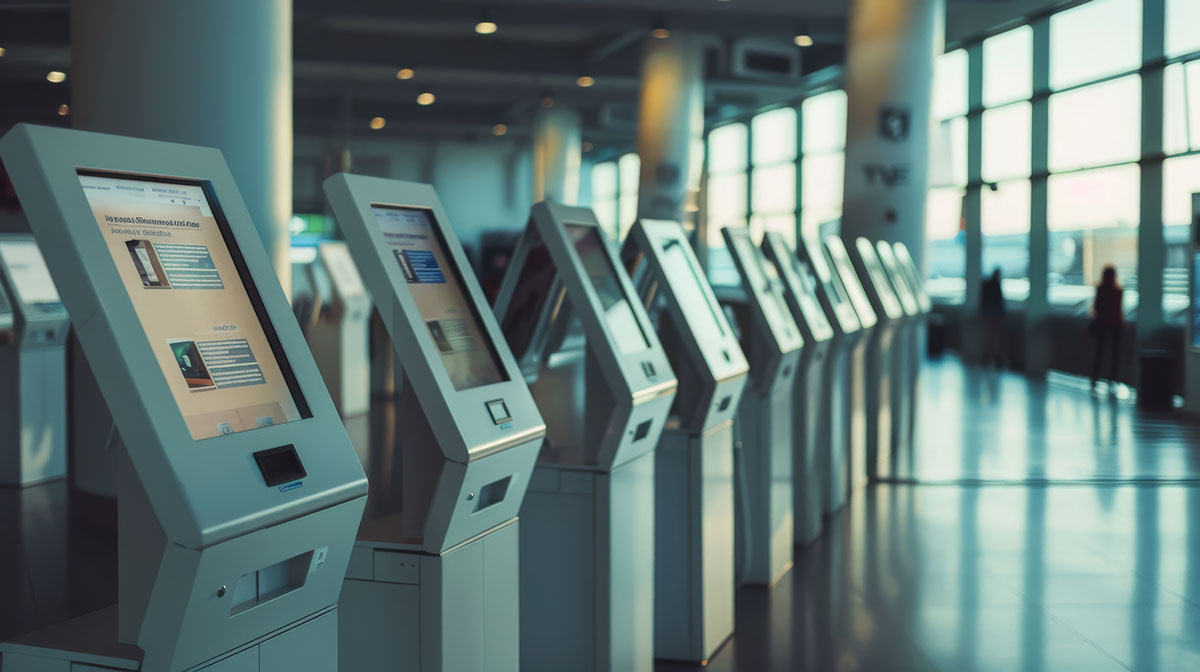
The Benefits: Speed, Accuracy, and Growth
- Eliminate the Queue: Kiosks allow customers to bypass the traditional counter. This can slash wait times by up to 70%, turning peak-hour chaos into a streamlined flow.
- High-Volume Throughput: By deploying multiple units, you can serve more patrons simultaneously without increasing your headcount.
- Precision Ordering: When customers enter their own data, miscommunication disappears. Error rates drop by nearly 80%, ensuring the order is right the first time.
- Hyper-Personalization: Integrated with loyalty data, kiosks can greet repeat users and suggest their “usual” order, making a digital interaction feel surprisingly personal.
- Autonomy and Control: Customers appreciate the ability to browse menus or catalogs at their own pace, free from the pressure of a waiting line.
- Inclusive Design: With multilingual support and adjustable UI heights, kiosks make your services accessible to a much broader demographic.
- Sleek Brand Perception: Modern, high-res touchscreens signal that your brand is forward-thinking and tech-literate.
- Chain-Wide Consistency: Ensure that every branch delivers the same service standard. A single cloud update can sync pricing and promos across every location instantly.
- The “Silent” Upsell: Kiosks never forget to ask if a customer wants a meal deal or a complementary accessory. These automated prompts typically lift average order values by 10-20%.
- Transaction Privacy: For sensitive purchases, kiosks provide a discreet checkout experience that encourages fuller baskets.
- Always-On Service: Kiosks don’t take breaks. They enable 24/7 service in unmanned or late-night zones, capturing revenue that would otherwise be lost.
- Actionable Data: Every click is a data point. Learn which items are being viewed but not bought to optimize your inventory and marketing.
- Lowered Stress Levels: A self-paced interaction reduces “order anxiety,” leading to a more relaxed customer who is more likely to return.
Overcoming Deployment Hurdles
While the ROI is clear, a successful rollout requires more than just “plugging it in.” Here is how to handle the most common challenges:
- Technical Reliability: Don’t cut corners on hardware. Use industrial-grade screens and a CMS that offers remote diagnostics to fix bugs before they cause downtime.
- User Adoption: If the UI is confusing, people will walk away. Stick to intuitive, large-button designs and consider having a staff member nearby for “concierge” assistance during the first week of launch.
- Security & Trust: Use end-to-end encryption and secure QR/PIN authentication. For outdoor units, ensure the casing is weather-resistant and tamper-proof.
- System Integration: The biggest bottleneck is often legacy software. Work with open-API platforms that can talk to your existing POS and inventory systems without a massive custom build.
- Space & Aesthetics: Avoid a “clunky” look. Use modular mounts (wall, counter, or floor-standing) that fit your store’s specific flow and design language.
Is Your Store Ready for the Kiosk Shift?
The shift toward self-service is no longer optional—it’s expected. If you aren’t offering your customers the speed and control of a kiosk, you’re likely losing them to someone who is.
Take the guesswork out of your deployment. Intelisa provides the intelligent CMS backbone needed to manage, update, and optimize your kiosk network from a single dashboard.
Book a Discovery Session with Intelisa Today.
Recent Posts
-
13 Ways Self-Service Kiosks are Redefining the Customer Journey
2026-02-19 19:25:01 -
Moving Past the "Screen on a Wall": Why 2026 is the Year of Proactive Signage
2026-02-12 21:38:48 -

How Digital Signage Transforms the Shopping Mall Experience
2026-02-07 13:11:53 -

Beyond the Billboard: Unexpected Places to Deploy Signage (And Why They Work)
2025-10-29 13:59:25