Uneconomical & Non-Eco-Friendly
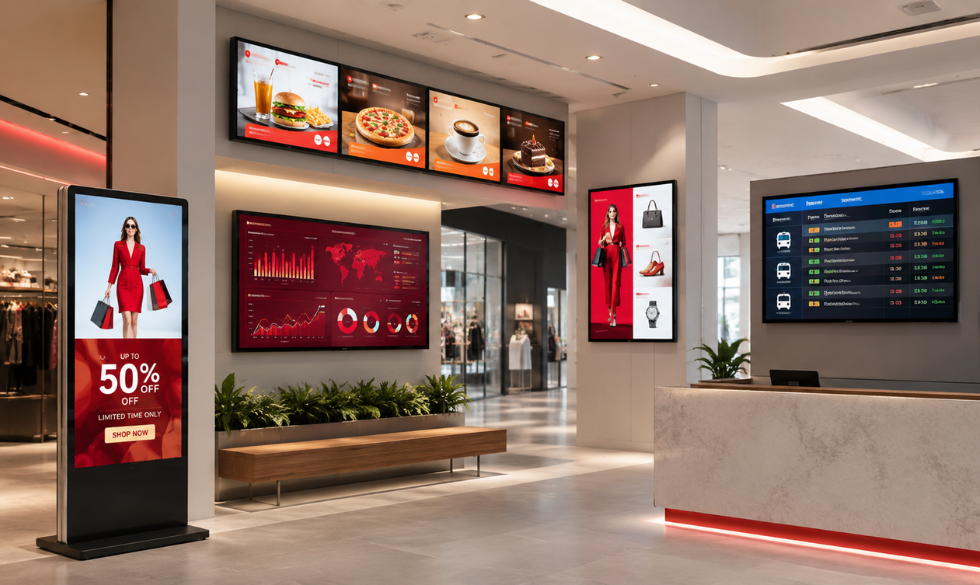
One of the major downsides of static communication is its lack of reusability. Paper and flex posters, once utilized, need to be discarded, resulting in significant waste production. For instance, in India alone, approximately 15,000 tonnes of flex material are used monthly, highlighting the non-eco-friendly nature of one-time-use communication. Digital signage solutions, on the other hand, allow for reusable communication that reduces waste and promotes sustainability. For example, a digital screen at a retail store can display different promotional messages throughout the year, eliminating the need for frequent printing and disposal of paper posters.
High End-to-End Costs
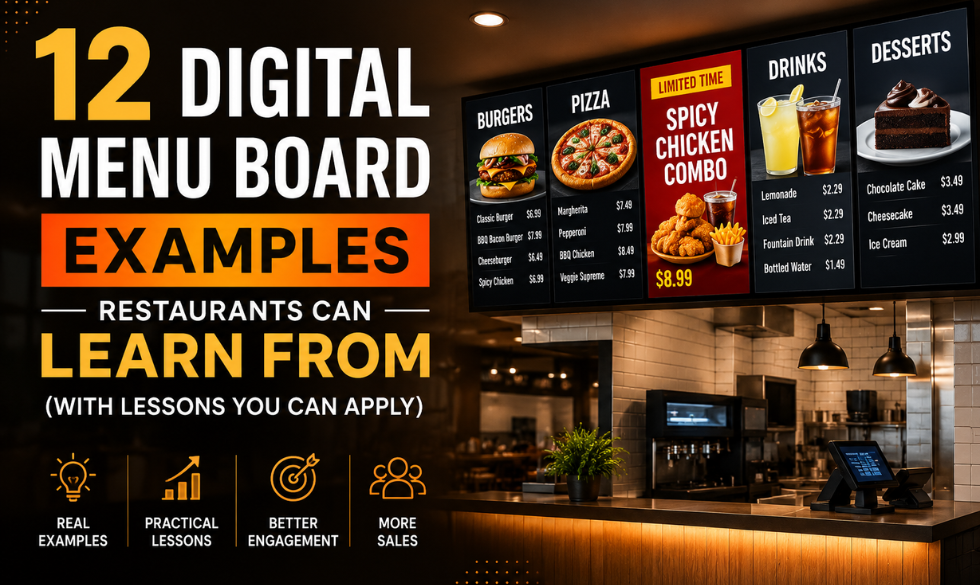
Printing costs, transportation expenses, and manual labor contribute to the overall expense of deploying traditional static communication methods. These costs can quickly accumulate, especially when communicating across multiple locations. By adopting digital signage, businesses can significantly reduce costs associated with printing, transportation, and manual labor. For instance, a chain of restaurants can centrally manage and update their digital menu boards using restaurant digital signage, eliminating the need to print and distribute physical menus.
Manual and Inconvenient
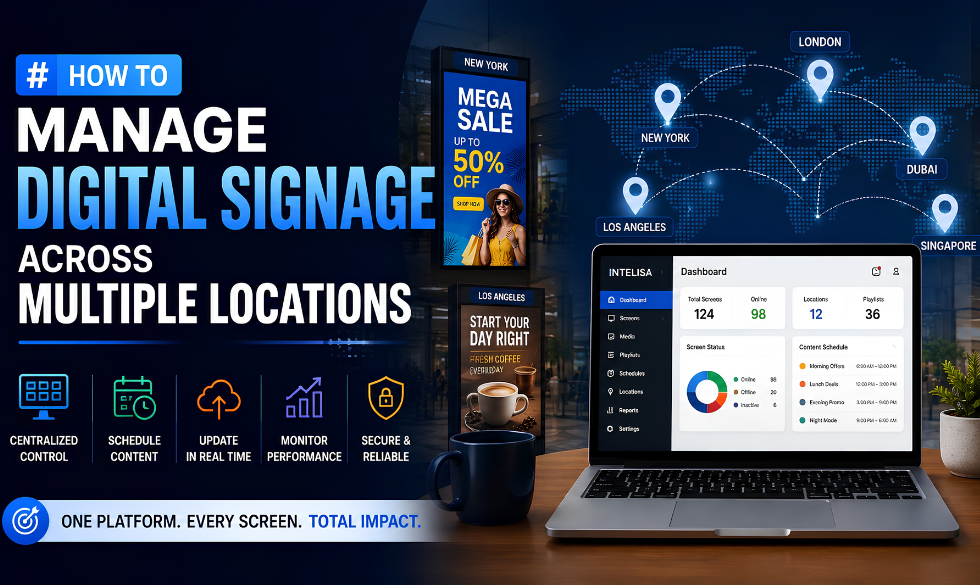
Coordinating the placement of static communication materials across different venues can be a cumbersome and time-consuming process. This manual effort often leads to logistical challenges and inconvenience.
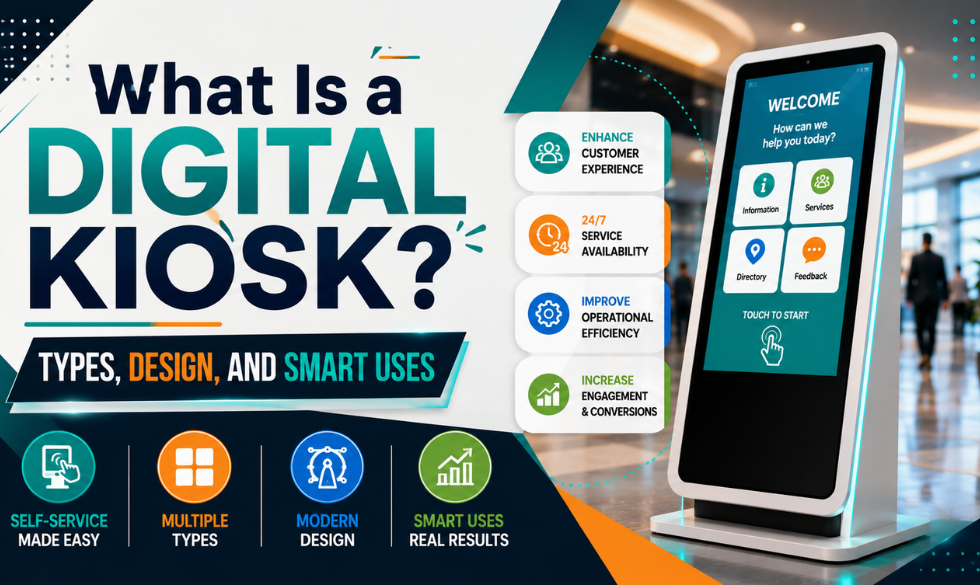
Digital signage software simplifies the process by allowing centralized control and instant updates. For example, an event organizer can easily change and display event schedules and announcements on digital screens across venues, eliminating the need for manual updates.