April 8, 2026
Digital Billboard

Digital advertising has entered a new era. Traditional hoardings are no longer enough to capture attention in fast-moving cities. In 2026, a digital billboard is not just a display; it’s a smart, responsive advertising system powered by data, automation, and AI.

For ambitious business owners, visionary marketers, and forward-thinking agencies, mastering the ability to deploy and scale these assets is essential to unlocking exponential growth. This is particularly true in high-velocity markets like India, where the demand for measurable results and high-impact visibility is at an all-time high.

This guide breaks everything down into simple, actionable steps so you can start from scratch and build a high-performing DOOH (Digital Out-of-Home) setup. Whether you are a newcomer or a seasoned professional, this step-by-step roadmap will empower you to dominate both the technical execution and the strategic marketing aspects of modern digital billboards.

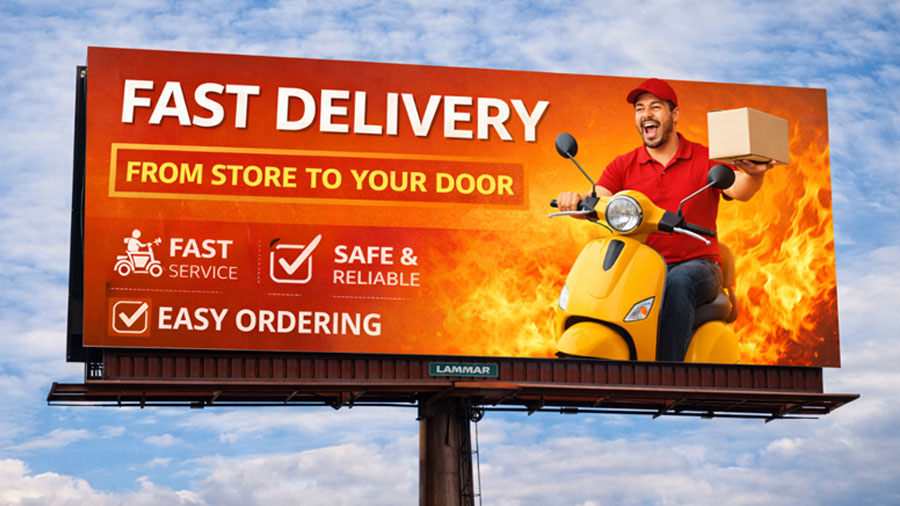
What is a Digital Billboard?

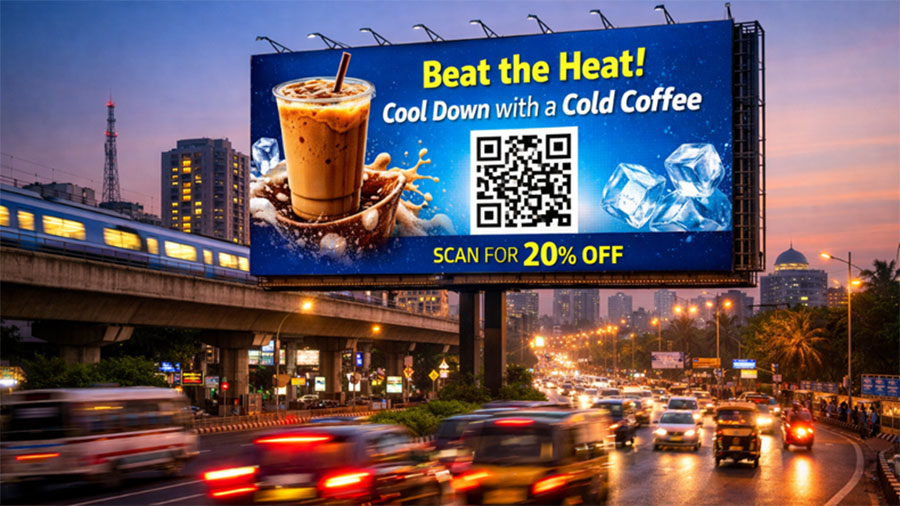
A digital billboard is a large LED screen used to display advertisements outdoors. Unlike traditional billboards, digital billboards can show multiple ads in rotation, update content instantly, run time-based or event-based campaigns, and integrate with data and AI for optimization.

These screens are now commonly seen in metro cities, on highways, in malls, at airports, and even in Tier-2 cities. With increasing urbanization and digital adoption, their presence is expanding rapidly across both commercial and public spaces.

Key features that define a modern digital billboard include high-resolution LED panels, cloud-based connectivity for remote management, and integrated sensors that allow for real-time audience measurement and environmental triggers.

Digital Billboards in India

Why Digital Billboards Are Growing Rapidly in India

India is one of the fastest-growing markets for digital billboard advertising. Here’s why:

1. Smart City Development

Government initiatives and urban expansion are increasing the demand for digital infrastructure, including smart advertising systems.

2. Affordable Technology

LED screen costs and software solutions are becoming more accessible, making it easier for businesses to invest in digital billboards.

3. Data-Driven Marketing Demand

Brands want measurable results, not just visibility. Digital billboards provide insights that traditional hoardings never could.

4. Consumer Behavior Shift

People expect dynamic, engaging, and relevant content everywhere, whether online or offline.

5. Rise of Platforms Like Intelisa

Cloud-based platforms such as Intelisa are simplifying campaign management, making digital billboard solutions accessible even for small and medium businesses without heavy technical knowledge.

Step-by-Step Guide to Set Up a Digital Billboard

Step 1: Choose the Right Location

Location is the foundation of successful digital billboard advertising.

What to Look For:

  • High footfall or vehicle traffic
  • Areas where people slow down (signals, junctions)
  • Commercial hubs, malls, or transit zones
  • Locations near your target audience

Key Insight:

Not all traffic is equal. A crowded junction where people wait for 60 seconds is more valuable than a fast highway where people pass in 5 seconds.

Pro Tip: Focus on attention time, not just impressions. The longer people stay in front of your billboard, the higher the chances of engagement and recall.

Step 2: Select the Right Hardware and Screen

Choosing the right hardware is critical for performance and durability.

Important Factors:

1. Brightness (Nits)

  • 5,000–8,000 nits recommended for outdoor use
  • Ensures visibility in direct sunlight

2. Pixel Pitch (Resolution)

  • Lower pitch = higher clarity
  • Ideal range: P6 to P10 for outdoor billboards

3. Weather Resistance

  • Must be waterproof and dustproof (IP65 rating or higher)
  • Important for Indian climate conditions, such as heat, rain, and dust

4. Size and Viewing Distance

  • Larger screens for highways
  • Medium screens for urban areas

5. Energy Efficiency

  • Lower power consumption reduces operational costs

Modern digital billboards in India are designed for 24/7 operation with minimal maintenance, making them a long-term investment for businesses.

Step 3: Install a Smart CMS (Content Management System)

A powerful CMS is the brain of your digital billboard.

Platforms like Intelisa transform a simple screen into a smart advertising system.

What a Smart CMS Can Do:

  • Manage multiple screens from one dashboard
  • Schedule ads based on time, location, or triggers
  • Update content instantly without manual intervention
  • Automate campaigns using AI

Intelisa Key Features:

  • Real-time campaign updates
  • Inventory sync (auto-remove unavailable products)
  • Centralized dashboard for multi-location control
  • QR-based engagement tools

Why It Matters:  Without a CMS, your billboard is just a screen. With it, it becomes a revenue-generating machine that can run campaigns efficiently and intelligently.

Step 4: Create High-Impact Content

Content is what drives engagement and conversions.

Best Practices for Digital Billboards:

  • Use bold visuals and minimal text
  • Keep the message readable within 3–5 seconds
  • Use motion graphics or short videos
  • Include a clear call-to-action (CTA)
  • Add QR codes for instant interaction

AI-Driven Content Strategy:

Instead of one ad, create multiple versions:

  • Different headlines
  • Multiple visuals
  • Various offers

AI (via platforms like Intelisa) can automatically test and optimize combinations to find what works best.

Pro Tip: Build a content library, not a single creative. This allows continuous optimization and better performance over time.

Step 5: Enable Programmatic DOOH Advertising

Programmatic DOOH (pDOOH) allows automated buying and optimization of ad space.

Benefits:

  • Hyper-local targeting: Ads within a specific radius
  • Time-based delivery: Morning vs evening campaigns
  • Budget control: Spend where performance is highest
  • Real-time adjustments: Pause or scale instantly

Example Use Cases:

  • A restaurant runs lunch ads between 12 and 3 PM
  • A retail store promotes offers near its location
  • A movie ad runs only near cinemas

This approach makes digital billboard advertising more efficient and ROI-focused.

Step 6: Add QR Codes and Conversion Tracking

One of the biggest advantages of digital billboards in India is measurability.

What You Can Track:

  • QR code scans
  • Website visits
  • Store footfall
  • App downloads
  • Conversions

Why QR Codes Matter:

They bridge offline and online marketing.

Example:
A user scans a billboard → lands on the offer page → makes a purchase.

Pro Tip: Always include a strong CTA like:
“Scan & Get 20% Off”

Step 7: Use AI for Smart Optimization

AI is what truly differentiates modern digital billboard advertising.

What AI Can Do:

  • Adjust ads based on the weather
  • Change creatives based on audience demographics
  • Optimize ad frequency and timing
  • Improve performance automatically

Real-Life Examples:

  • Rain → Promote cabs or umbrellas
  • Hot weather → Cold drinks or AC ads
  • Evening → Food delivery promotions

With platforms like Intelisa, these optimizations happen automatically, reducing manual effort and improving campaign results.

Step 8: Ensure Legal Compliance and Permissions

Before installation, ensure you follow local regulations.

Requirements in India:

  • Municipal permissions
  • Zoning regulations
  • Safety compliance
  • Electrical approvals

Ignoring compliance can lead to penalties or shutdowns, so it is important to handle this step carefully before launching your billboard.

Cost of Digital Billboard in India

Cost of Digital Billboard in India

The cost of setting up a digital billboard in India depends:

  • Location (prime vs non-prime)
  • Screen size and quality
  • Installation and maintenance
  • Software and CMS subscription

Typical Cost Breakdown:

  • Hardware: ₹5 lakh – ₹25 lakh+
  • Installation: ₹1–3 lakh
  • Software (CMS): Monthly/annual subscription
  • Maintenance: Ongoing

ROI Advantage:

Compared to traditional billboards:

  • Multiple advertisers share one screen
  • Higher engagement rates
  • Real-time optimization improves ROI

Common Mistakes to Avoid

Avoid these common pitfalls:

  • Too much text on the screen
  • No clear CTA
  • Ignoring data and analytics
  • Running the same ad all day
  • Poor screen quality
  • No mobile integration

Advanced Strategies for 2026

1. 3D and Anamorphic Ads

Highly engaging and viral-ready content that grabs attention instantly.

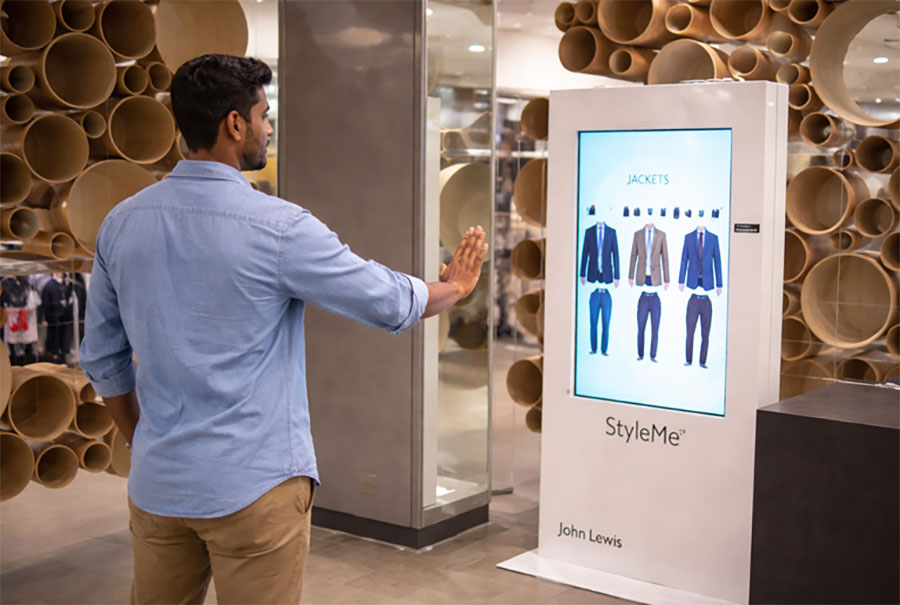
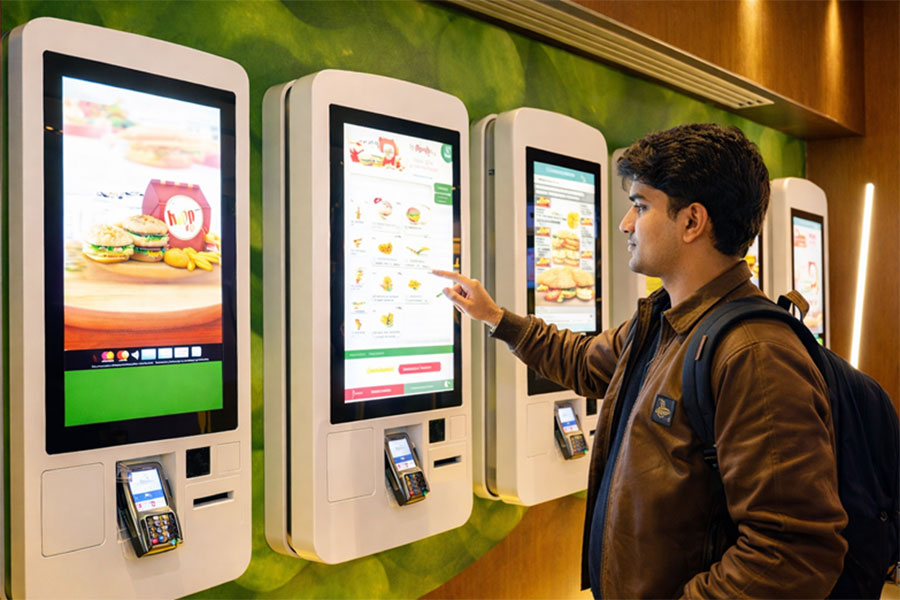
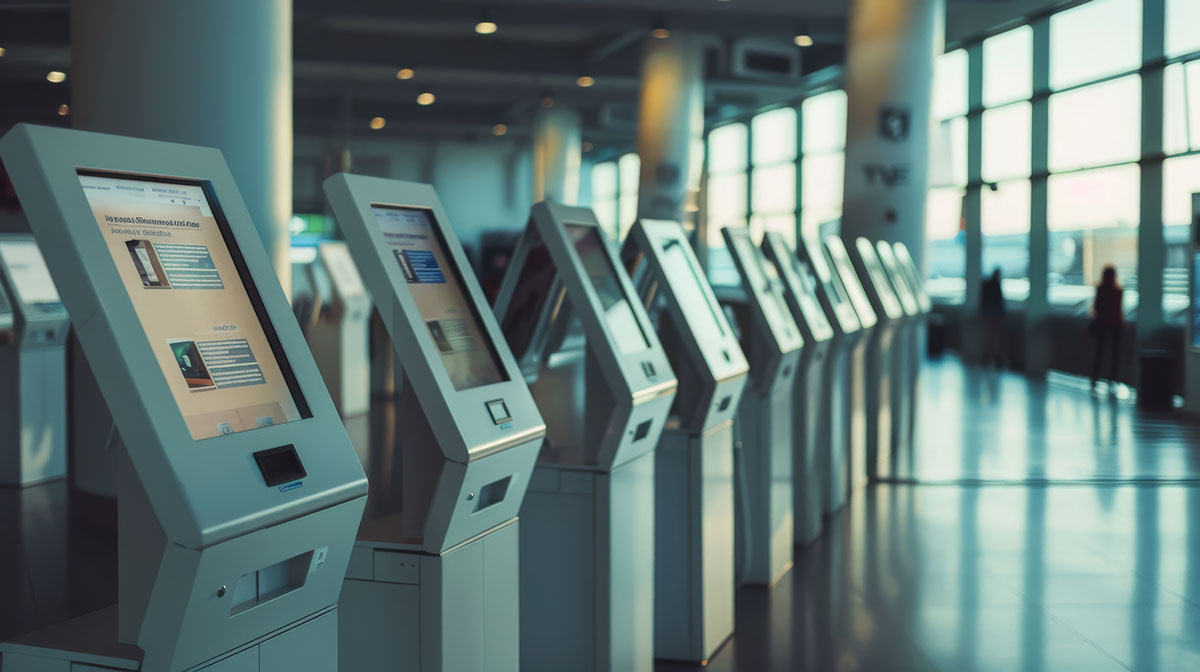
2. Interactive Kiosks

Touchscreens for navigation, booking, and product discovery in public spaces.

3. Voice and Gesture Control

Hands-free interaction for a better user experience.

4. IoT Integration

Screens respond to traffic, weather, and city data in real time.

5. Generative AI Creatives

AI creates ads dynamically based on trends, audience behavior, and performance.

Industries Benefiting from Digital Billboards

  • Retail and E-commerce
  • Real Estate
  • Food and Beverage
  • Entertainment and Movies
  • Healthcare
  • Education

In India, digital billboards are especially effective for hyperlocal businesses looking for nearby customers.

Why Intelisa is a Game-Changer

Intelisa simplifies the entire process of digital billboard advertising.

Key Benefits:

  • Easy campaign management
  • Real-time updates
  • Automated optimization
  • Multi-location control
  • Seamless online-to-offline integration

It turns a traditional billboard into a smart marketing system that delivers measurable results.

The Future of Digital Billboards in India

The future of digital billboards in India is incredibly promising.

What to Expect:

  • Smarter AI-driven campaigns
  • Fully automated ad optimization
  • Deeper personalization
  • Integration with smart cities
  • Better ROI tracking

As technology evolves, digital billboards will become more interactive, intelligent, and essential for modern advertising strategies.

Frequently Asked Questions

A large LED screen used to display rotating advertisements outdoors, which can update content instantly and integrate with data and AI for optimization.

Growth is driven by Smart City Development, decreasing costs of LED technology, demand for data-driven marketing, consumer preference for dynamic content, and simplified campaign management via platforms like Intelisa.

A platform like Intelisa acts as the “brain” of the billboard, enabling users to manage multiple screens, schedule time-based ads, update content instantly, and automate campaigns using AI.

It enables automated buying and optimization of ad space, allowing for hyper-local targeting, time-based delivery, and real-time adjustments to campaigns.

5,000–8,000 nits are recommended for outdoor use to ensure the screen is clearly visible in direct sunlight.

Final Thoughts

Setting up a digital billboard in 2026 is not just about installing a screen; it’s about building a smart advertising ecosystem.

With the right location, advanced technology, AI-powered tools like Intelisa, and a strong content strategy, businesses can turn outdoor advertising into a measurable and scalable growth channel.

In today’s competitive world, success in digital billboard advertising doesn’t come from being everywhere.

It comes from being relevant at the right moment.