March 25, 2026

Let’s be honest: retail has changed, but not in the way many predicted. It’s not that physical stores are becoming obsolete; it’s that uninspired stores are. With the convenience of e-commerce, customers now expect a specific reason to visit a brick-and-mortar location.

If a store feels like a static warehouse, it loses its competitive edge. To succeed, retailers must transform “browsing” into an “event.” Here is how forward-thinking brands are using modern technology to drive engagement and results.
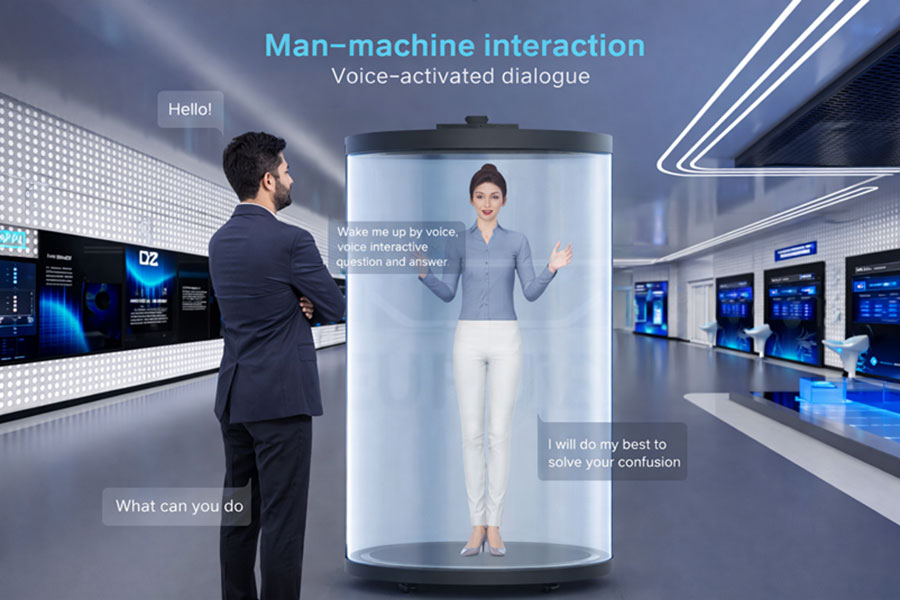
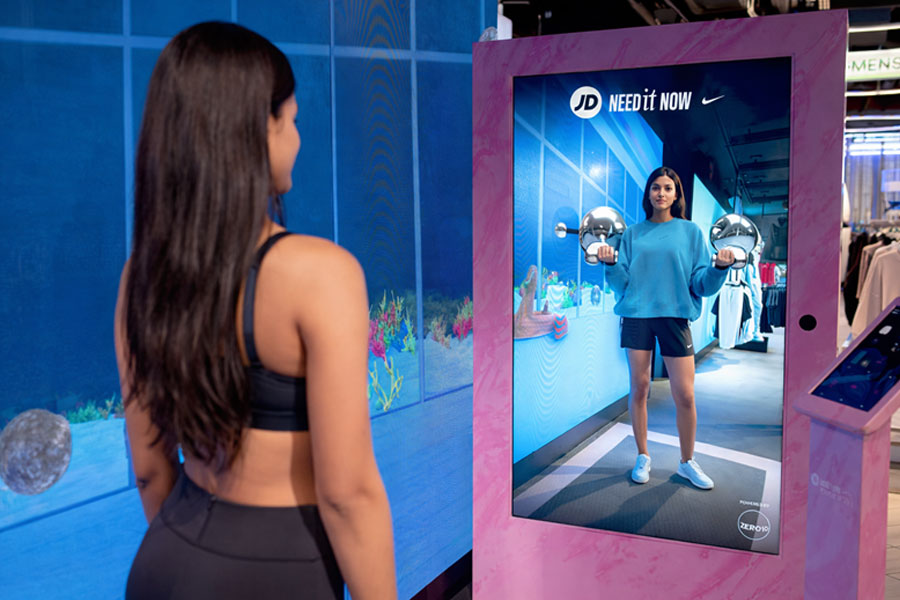
Prioritize Interactive Digital Displays

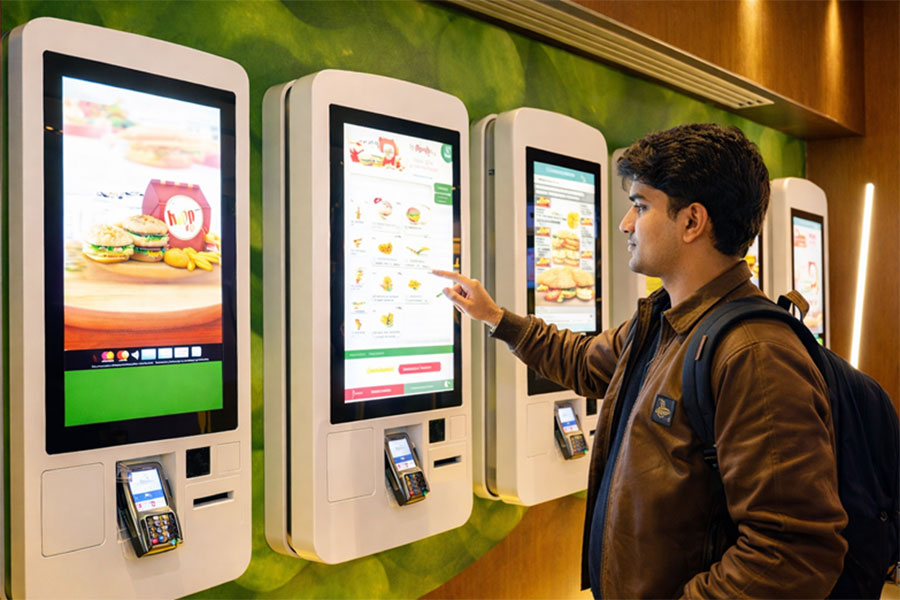
Traditional static signage often becomes background noise. Interactive digital displays, however, put the customer in control of their own journey.

Instead of a standard “Sale” sign, imagine a screen that allows a customer to filter products by skin type in a beauty aisle or compare technical specifications in an electronics shop. This is about empowered discovery. Shoppers often prefer to find answers independently rather than waiting for a busy sales associate. By providing instant access to details via high-quality digital signage, you remove a significant barrier to the sale.

Implement Smart Product Discovery Tools

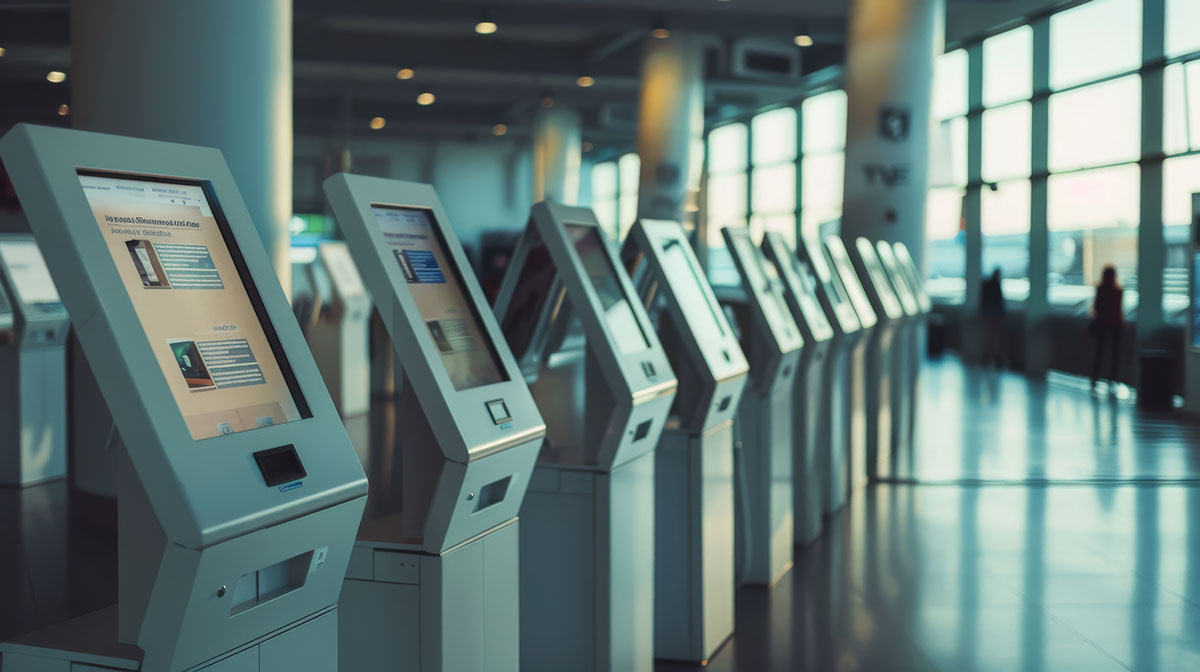
Few things frustrate a shopper more than navigating a large floor plan without guidance. Interactive kiosks act as an intuitive “navigation system” for the retail environment.

If a specific item is out of stock, a kiosk shouldn’t simply end the interaction. It should offer alternatives: “This item is available at our downtown branch, or we can arrange home delivery by Tuesday.” This functionality, often integrated into broader digital signage solutions, saves a sale that might otherwise have been lost to a competitor’s mobile app.

Use Augmented Reality (AR) to Resolve Uncertainty

Augmented Reality (AR) is often dismissed as a novelty, but its true value lies in reducing “buyer’s remorse” before the transaction occurs.

  • The Spatial Factor: Furniture retailers can allow customers to visualize exactly how a sectional fits within their specific room dimensions.
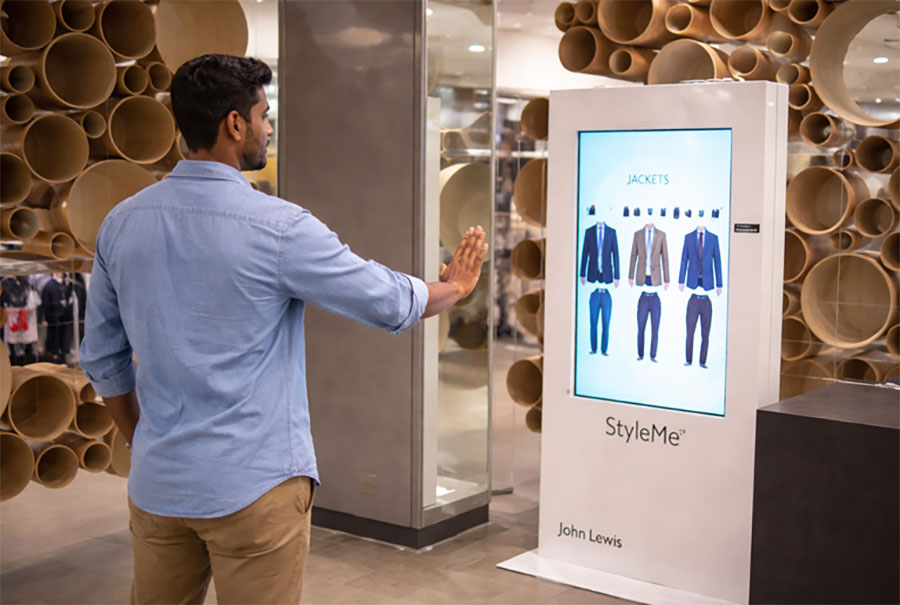
  • Virtual Consultations: In the beauty and fashion sectors, AR allows for dozens of “try-ons” in seconds without the need for physical samples or fitting rooms.

The goal of AR isn’t just to impress the customer; it is to provide the certainty required to finalize a purchase.

Provide Personalized, Data-Driven Recommendations

We are all familiar with the “frequently bought together” algorithms used online. Bringing that logic in-store is a significant value-add. When a customer scans a product at one of your interactive kiosks, the system can instantly suggest complementary accessories or matching items. It’s not an “upsell” in the traditional sense; it’s curation. You are helping the customer complete their purchase without forcing them to hunt through multiple aisles.

Transition from Sales to Immersive Demonstrations

You cannot replicate the tactile experience of a product online. This is the inherent advantage of physical retail. Interactive demonstrations, such as live culinary sessions or “hands-on” testing zones for technology, eliminate doubt. When a customer experiences a product’s performance firsthand, the value proposition becomes much clearer than it ever could be in a brochure.

Encourage Organic Social Media Advocacy

Modern shoppers are highly influential when they share their experiences online. Retailers can capitalize on this by creating visually compelling moments using vibrant digital signage solutions that encourage photography and sharing.

Whether it’s a professionally designed “photo zone” or a creative product installation, these features drive organic reach. This turns your customers into brand advocates, providing authentic marketing to their entire social network at no additional cost.

Utilize Gamification to Drive Dwell Time

Gamification is an effective strategy for making the shopping environment more dynamic. Whether it involves scanning QR codes on digital displays for a mystery discount or a digital “loyalty wheel” at checkout, these elements make the experience more memorable. The longer a customer engages with the brand environment, the higher the probability of a completed sale and a return visit.

The Strategic Advantage

Creating an interactive environment isn’t about collecting gadgets; it’s about measurable outcomes:

  • Active Engagement: Giving shoppers a reason to stay focused on the physical environment.
  • Operational Efficiency: Using self-service tools like interactive kiosks to handle routine questions so staff can focus on high-value sales.
  • Conversion: Turning a hesitant browser into a confident buyer.

Final Thoughts

The future of retail belongs to brands that treat their floor space as a destination, not just a point of distribution. This is where a platform like Intelisa becomes vital.

Intelisa allows you to manage your entire digital signage ecosystem seamlessly from the cloud. You can push real-time updates to your digital displays, launch dynamic promotions, and maintain brand consistency across numerous locations with ease. It serves as the digital backbone of the store, ensuring your interactive content works just as hard as your top-performing team members.

Frequently Asked Questions

It is any retail touchpoint like touchscreens, interactive kiosks, or AR that requires the customer to actively participate rather than just passively browse.

Yes. By providing instant information and building buyer confidence, interactive tools directly improve conversion rates and average transaction value.

No. Digital signage solutions act as support tools, handling routine questions so your team can focus on personalized customer service and closing sales.

Yes. You can start small with QR codes or a single digital display and scale as your budget allows.

Identify your biggest “friction point,” like long wait times or confusing layouts, and choose one digital solution, such as an interactive kiosk, to solve it.

It acts as the central “brain,” allowing you to manage and update all your digital content and digital signage across multiple locations instantly from the cloud.

The Final Word: From Static to Smart

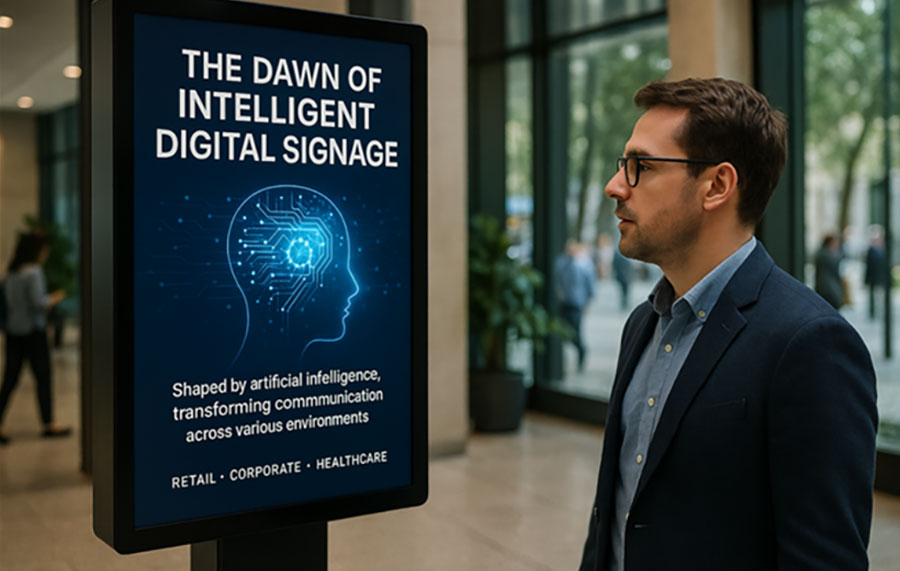
Digital out-of-home advertising is no longer just about visibility. It’s become a smart, data-driven channel where every screen can deliver the right message at the right time.

Artificial intelligence is transforming DOOH into a responsive and measurable medium. Instead of static ads, brands can now run dynamic campaigns that adapt to time, location, and audience behavior.

For businesses of all sizes, this change opens up new opportunities. With Intelisa, managing and optimizing digital signage has become easier, faster, and more effective.

In the coming years, the brands that will win won’t be the ones with the most screens, but the ones that use them most wisely.

Because today, it’s not about being everywhere.

It’s about being relevant when it matters most.

Transition from Sales to Immersive Demonstrations

You cannot replicate the tactile experience of a product online. This is the inherent advantage of physical retail. Interactive demonstrations, such as live culinary sessions or “hands-on” testing zones for technology, eliminate doubt. When a customer experiences a product’s performance firsthand, the value proposition becomes much clearer than it ever could be in a brochure.