February 12, 2026

For years, digital signage was essentially a glorified, expensive TV. You made a loop, uploaded it to a CMS, and hoped someone looked at it. But by 2026, that “post and pray” model will have finally died. “We’ve stopped talking at shoppers and started building spaces that actually listen and react to them.”

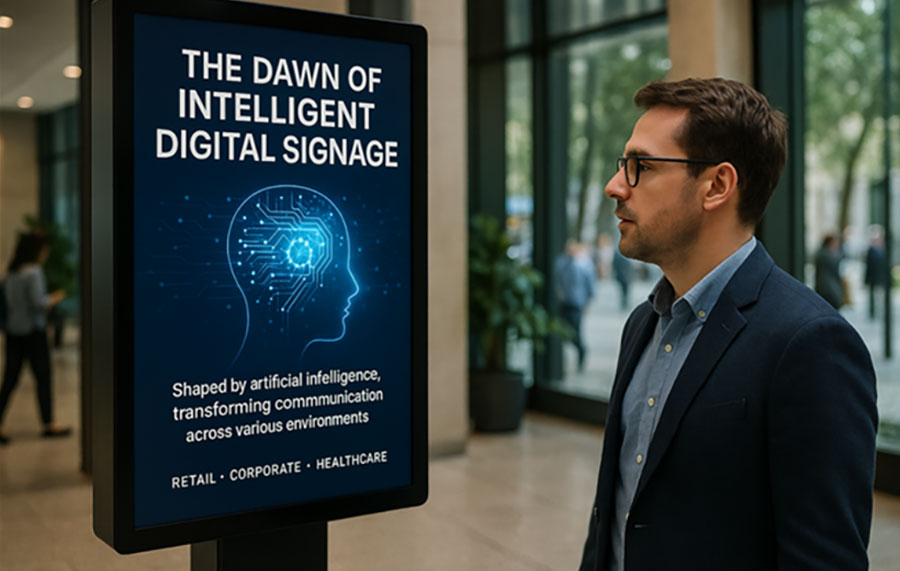
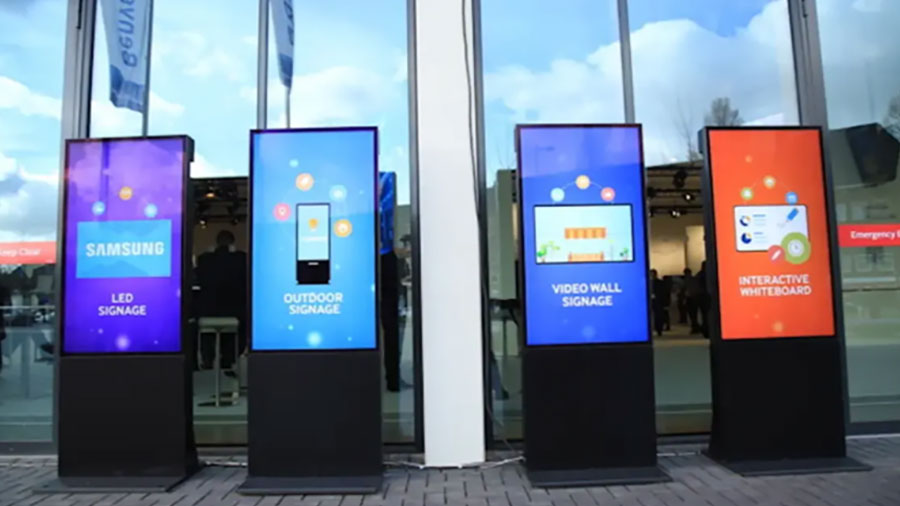
The shift is simple: Signage is no longer a passive display; it’s an intelligent hub powered by a mix of computer vision, GenAI, and edge computing. It doesn’t just show a video—it senses the room and makes a decision.
proactive-signage

What’s Actually Driving the Change?

AI fundamentally reshapes content creation, delivery, and measurement.

  • The “Right Now” Content (GenAI): We’re moving away from fixed 30-second loops. If a sudden thunderstorm hits a mall, the system shouldn’t be showing sunglasses. It should be generating an umbrella promo or a “stay dry” cafe offer in real-time without a marketing manager having to click a button.
  • Context-Aware Triggers: Computer vision has matured. We aren’t just talking about “detecting a person.” We’re talking about a screen recognizing that a group of teenagers is standing in front of it and swapping a luxury watch ad for a trending sneaker drop instantly.
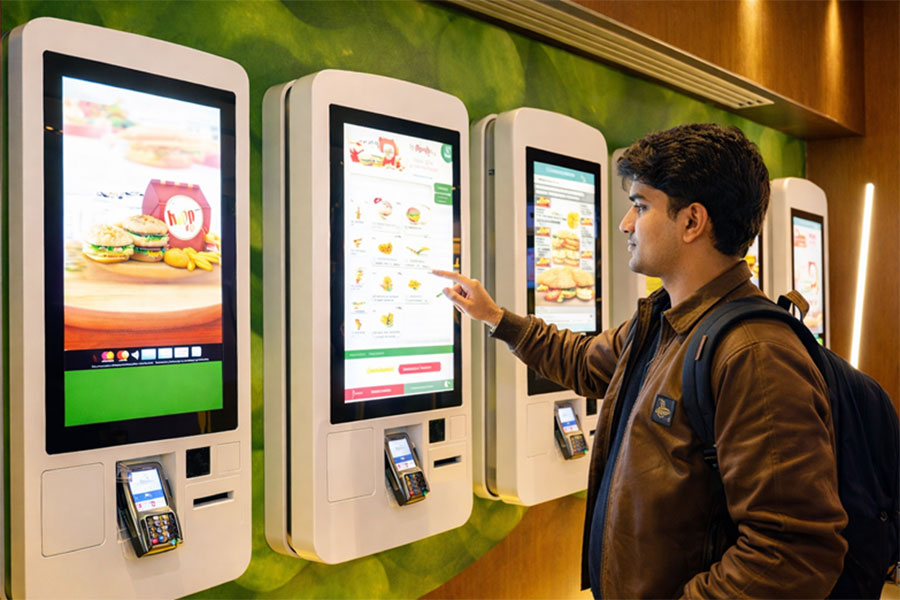
  • Operational Intelligence: This is the most vital part. It’s about the screen talking to the inventory system. If the kitchen is low on chicken, the Digital Menu Board removes the chicken burger automatically. That isn’t “magic”—it’s basic operational efficiency.

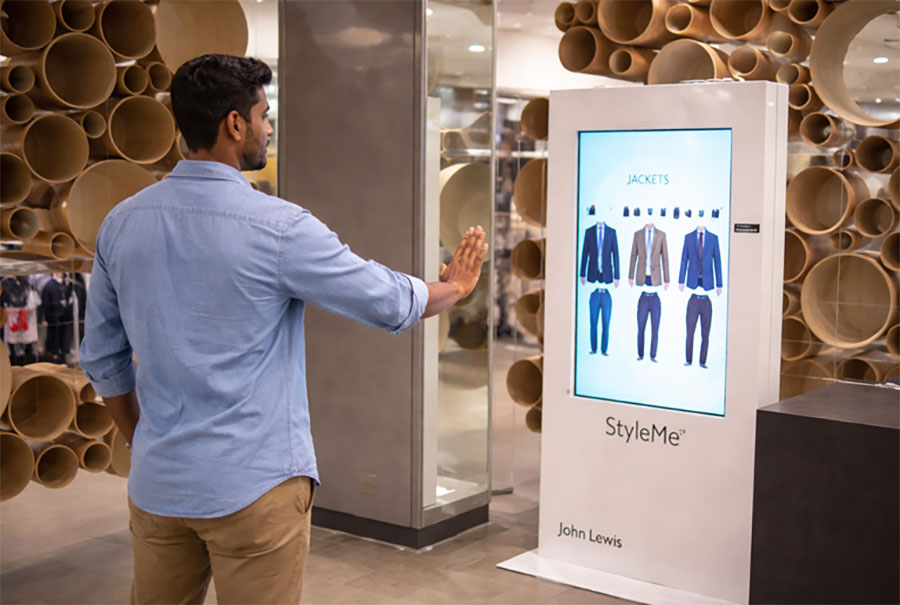
This framework moves us beyond traditional, high-friction touchscreens toward a more natural interface. By integrating voice, gesture, and sentiment analysis, we can now offer a truly multimodal experience that feels intuitive rather than forced.

real-world-impact

Real-World Impact: Beyond the Retail Hype

While retail gets the most attention, the real “proactive” wins are happening in sectors where friction used to be the norm.

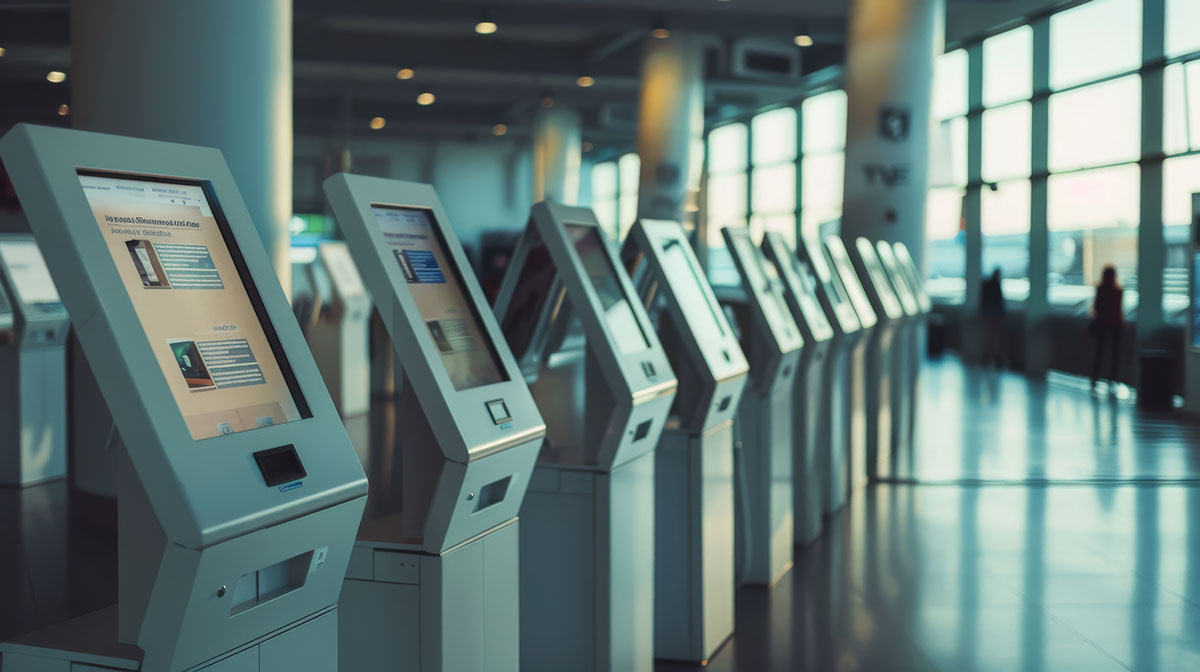
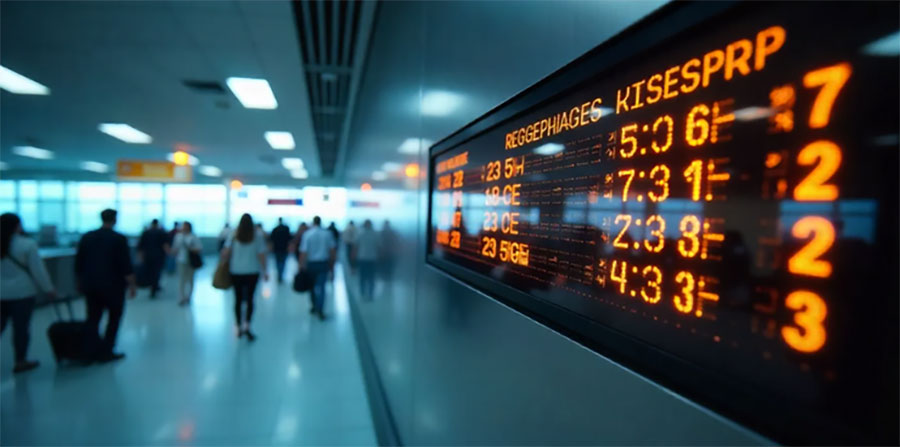
  • Transportation & Smart Cities: We’ve all seen “static” wayfinding. The 2026 version is dynamic. If security Line A has a 20-minute wait, the signage reroutes you to Line B in real-time. In cities, screens aren’t just showing ads; they’re monitoring air quality and shifting transit alerts during pollution spikes.
Transportation Smart Cities
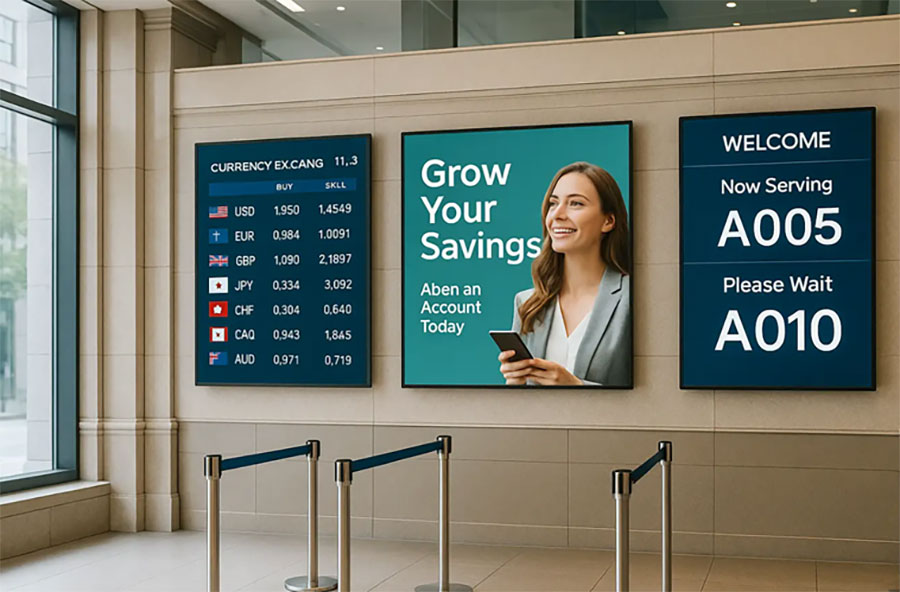
  • The “Advisory” Bank Branch: Modern banks are using signage to kill the “sterile” vibe. If sensors detect a customer lingering at the mortgage rate screen, a QR code for a first-time homebuyer’s guide pops up, or a nearby staff member is alerted that someone might need specialized help.
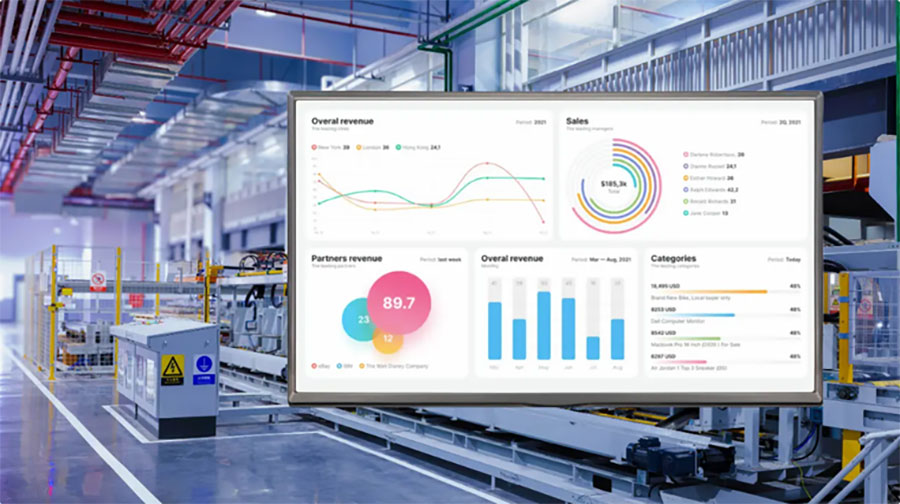
  • Manufacturing & Safety: On a factory floor, these screens are the “nervous system.” They pull data from IoT sensors to predict a machine failure 48 hours before it happens, flashing alerts to the crew before a breakdown halts production.

The Bottom Line: Moving the Needle on ROI

With AI-driven hubs, we’re finally closing the loop. We can now measure “Attention Scores” (how many people actually looked, and for how long) and link those views directly to a timestamped purchase at the register.

The best part? It’s finally privacy-first. By using Edge Processing, the system recognizes a “30-year-old male” in the moment to show the right ad, but it never records his face or stores his ID. It’s smart, it’s targeted, and it’s compliant.

Digital signage in 2026 isn’t just about pixels; it’s about making physical spaces as responsive and data-driven as a website. Digital signage is no longer a “screen on a wall”—it’s the nervous system of intelligent environments, blending worlds for seamless, personalized impact.